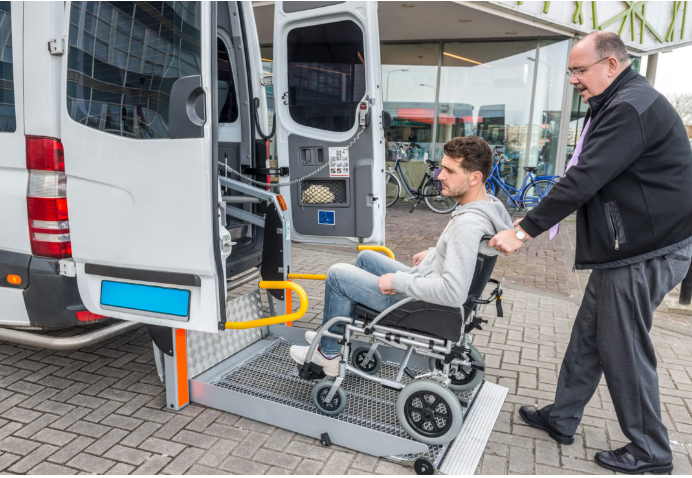
Mobility is a basic necessity, yet for individuals who rely on wheelchairs, transportation can often be a challenge. Whether it’s a routine medical appointment, a therapy session, or a social visit, having access to safe and reliable travel is essential. This is where transportation services for wheelchair patients play a vital role, offering specialized solutions that ensure comfort, safety, and independence.
Understanding Transportation Services for Wheelchair Patients
Transportation services for wheelchair patients are specially designed to cater to individuals with mobility limitations. Unlike standard transport options, these services are equipped with features such as wheelchair ramps, hydraulic lifts, secure restraints, and spacious interiors to accommodate both the patient and their wheelchair.
These services are commonly referred to as non-emergency medical transportation (NEMT). They are ideal for patients who do not require urgent medical care but still need assistance and support while traveling.
Why These Services Are Important
1. Accessibility and Convenience
Public transportation systems may not always be wheelchair-friendly. Transportation services for wheelchair patients bridge this gap by offering door-to-door assistance, ensuring patients can travel without unnecessary stress.
2. Safety and Security
Safety is a top priority. Vehicles used in these services are equipped with secure locking systems to keep wheelchairs stable during transit. Trained staff assist patients while boarding and exiting, minimizing the risk of accidents.
3. Comfort During Travel
Long journeys can be uncomfortable for wheelchair users if proper seating and space are not available. These specialized services ensure adequate space, smooth rides, and a comfortable environment.
4. Independence and Confidence
Having access to reliable transportation services for wheelchair patients allows individuals to maintain their independence. They can attend appointments, meet friends, or participate in activities without depending entirely on family members.
Types of Transportation Services Available
1. Non-Emergency Medical Transportation (NEMT)
This is the most common form of service. It includes scheduled rides to hospitals, clinics, and therapy centers. These services are pre-booked and tailored to the patient’s needs.
2. Wheelchair-Accessible Taxis
Some cities offer taxis specifically designed for wheelchair users. These vehicles have ramps or lifts and provide a convenient option for short-distance travel.
3. Private Medical Transport Services
Private providers offer premium transportation services for wheelchair patients, including personalized care, flexible schedules, and additional assistance during travel.
4. Ambulance Services (Non-Emergency)
For patients who require more medical supervision but are not in an emergency situation, non-emergency ambulances provide a higher level of care during transit.
Key Features of Wheelchair Transportation Vehicles
A professional transportation service for wheelchair patients includes several important features:
- Ramps or Hydraulic Lifts: For easy entry and exit
- Secure Restraint Systems: To keep wheelchairs stable
- Spacious Interiors: To accommodate caregivers if needed
- Comfortable Seating: For patients who can transfer from wheelchairs
- Climate Control: To ensure a comfortable journey
These features are essential for ensuring a smooth and stress-free travel experience.
Who Can Benefit from These Services?
Transportation services for wheelchair patients are beneficial for a wide range of individuals, including:
- Elderly individuals with mobility issues
- Patients recovering from surgery or injury
- People with disabilities
- Individuals undergoing regular treatments like dialysis or physiotherapy
These services ensure that mobility challenges do not become barriers to essential healthcare and daily activities.
How to Choose the Right Service Provider
Selecting the right provider is crucial for a safe and comfortable experience. Here are some factors to consider:
- Experience and Reputation: Look for providers with positive reviews and a proven track record
- Vehicle Quality: Ensure vehicles are well-maintained and equipped with necessary features
- Trained Staff: Drivers and assistants should be trained in handling wheelchair patients
- Punctuality: Timely service is especially important for medical appointments
- Cost and Transparency: Choose a service with clear pricing and no hidden charges
A reliable provider of transportation services for wheelchair patients will prioritize both safety and customer satisfaction.
Challenges and Improvements in Accessibility
While there have been significant improvements in accessibility, challenges still exist. Not all areas have adequate services, and availability may vary depending on location. However, increasing awareness and advancements in technology are helping improve accessibility standards.
Governments and private companies are working together to expand services, improve infrastructure, and make transportation more inclusive for everyone.
The Future of Wheelchair Transportation Services
The future of transportation services for wheelchair patients looks promising. Innovations such as app-based booking, GPS tracking, and smart vehicle designs are making these services more efficient and user-friendly.
Electric and eco-friendly accessible vehicles are also gaining popularity, contributing to sustainable transportation solutions. As awareness grows, more companies are expected to invest in accessible transport options, ensuring better coverage and quality of service.
Conclusion
Transportation services for wheelchair patients are essential for ensuring mobility, independence, and access to healthcare. With specialized vehicles, trained staff, and a focus on safety and comfort, these services provide a reliable solution for individuals with mobility challenges.
By choosing the right provider, patients and their families can enjoy peace of mind, knowing that their transportation needs are in capable hands. As accessibility continues to improve, these services will play an even greater role in creating an inclusive and supportive society for all.
 English
 Arabic
 French
 Spanish
 Portuguese
 Deutsch
 Turkish
 Dutch
Dutch
 Italiano
 Russian
 Romaian
 Portuguese (Brazil)
 Greek
Greek