English
 Arabic
 French
 Spanish
 Portuguese
 Deutsch
 Turkish
 Dutch
Dutch
 Italiano
 Russian
 Romaian
 Portuguese (Brazil)
 Greek
Greek
Smart Glasses Market Opportunities, Growth Factors and Industry Trends Report
Networking |
2026-06-15 11:17:39
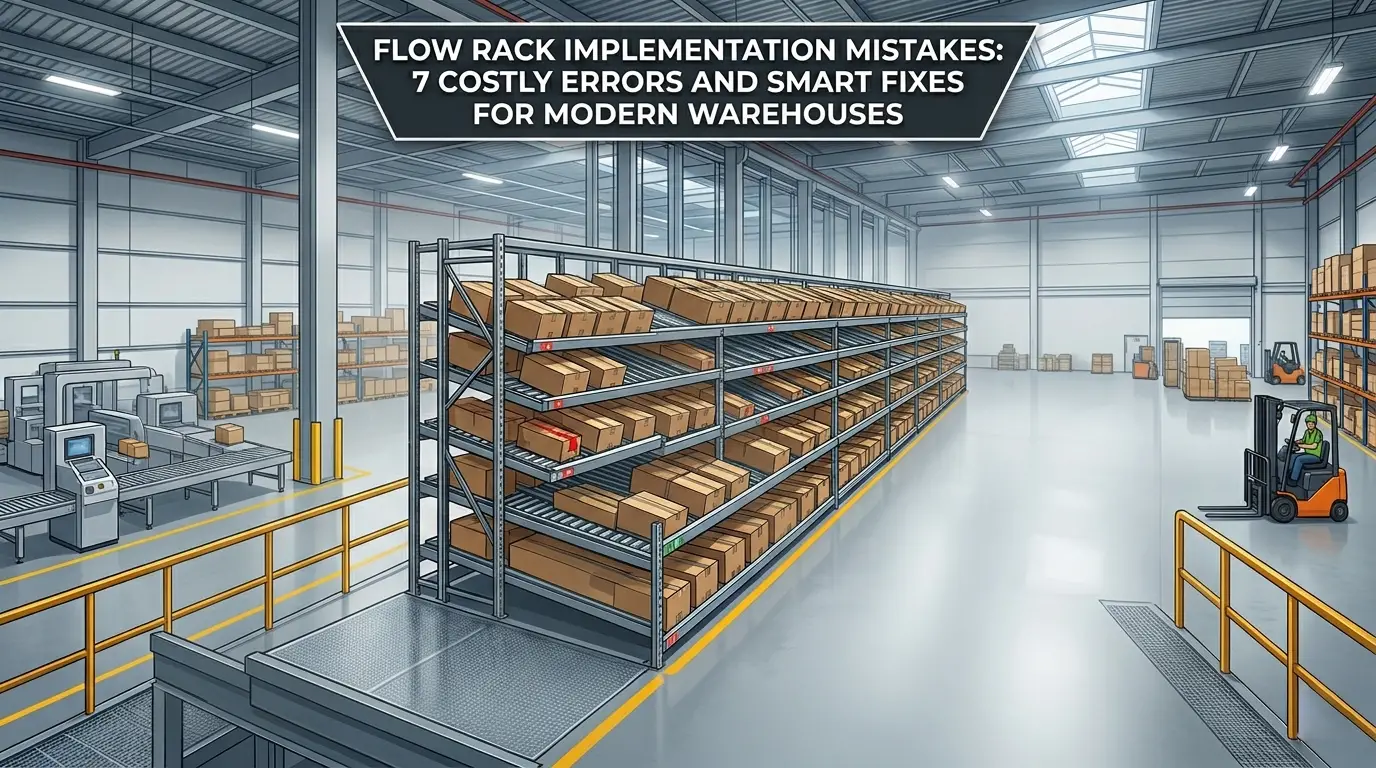
Flow racks are among the most efficient storage solutions for modern warehouses. They improve picking speed, maximize storage density, and support First-In-First-Out (FIFO) inventory management. However, many businesses fail to achieve these benefits due to avoidable flow rack implementation mistakes.
When designed correctly, a flow rack system can transform warehouse operations. But poor planning or incorrect setup can lead to slow picking, wasted space, and increased operational costs. This post explores the most common mistakes companies make when implementing flow racks and how choosing a modular solution, such as Flexpipe Flow Racks, can help warehouses avoid these costly pitfalls.
Before diving into common errors, it’s important to understand how flow racks function.
A flow rack—also known as a gravity flow rack or carton flow rack—is a dynamic storage system that uses rollers or wheels. Products are loaded from one side and move forward automatically using gravity, making them easily accessible for picking.
Despite these advantages, improper implementation can turn a highly efficient system into a bottleneck.
Flow racks may appear simple, but they require precise design and layout planning. Small mistakes in configuration can lead to product jams, inefficient workflows, and underutilized space.
Below are the most common mistakes—and how to fix them.
Selecting the wrong track type is a common and costly mistake.
Dedicated Lane Tracks
Universal Bed Tracks
Using the wrong track type leads to inefficient product movement and wasted space.
Use modular systems that allow easy adjustments when product dimensions change.
Track width plays a major role in product flow and picking efficiency.
Use adjustable lane systems so widths can be modified as needed.
Lane depth determines how much inventory each lane can hold.
Plan lane depth based on:
Spacing between cartons is often overlooked but directly affects efficiency.
Maintain approximately 2 inches of spacing between items to balance accessibility and storage density.
Many warehouses try to reuse existing pallet racking when installing flow racks. While this may seem cost-effective, it often leads to inefficiencies.
Use properly sized beams designed specifically for flow rack systems to maximize vertical storage.
Even the best flow rack system won’t perform well in a poorly designed layout.
A well-planned layout reduces travel time and improves overall productivity.
Many warehouses install systems that cannot grow with their operations.
Choose modular systems that can expand and adapt as your business grows.
Modern warehouses need flexibility. Modular flow rack systems offer several advantages:
These features make modular solutions ideal for dynamic warehouse environments.
To avoid costly mistakes, follow these guidelines:
Flow racks can significantly improve warehouse efficiency, but only when implemented correctly. Mistakes such as incorrect track selection, poor lane depth planning, and inefficient layouts can limit performance and increase costs.
By focusing on proper planning and choosing adaptable systems, you can avoid these pitfalls and build a storage solution that supports long-term growth.
In today’s fast-moving logistics environment, a well-designed flow rack system is not just an upgrade—it’s a competitive advantage.