English
 Arabic
 French
 Spanish
 Portuguese
 Deutsch
 Turkish
 Dutch
Dutch
 Italiano
 Russian
 Romaian
 Portuguese (Brazil)
 Greek
Greek
Consumer Preferences and the Coffee Pods and Capsules Market
Other |
2026-04-29 09:31:42
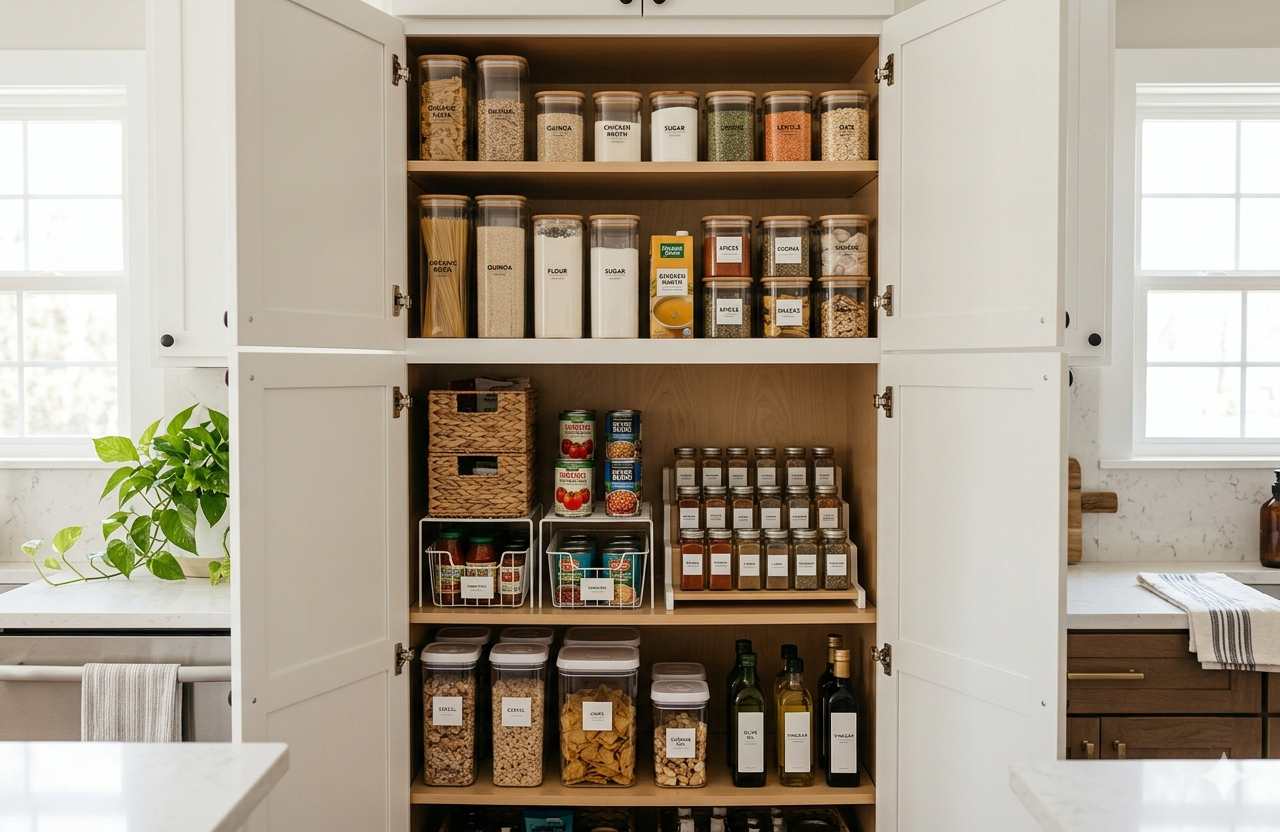
A well-organized kitchen is the heart of a smooth and stress-free home, and at the center of that organization lies effective pantry cabinet organization. Whether you have a small kitchen cabinet or a large walk-in pantry, the way you arrange your food items, containers, and essentials directly impacts your cooking experience, time management, and even your grocery budget.
When your pantry is cluttered, you end up buying duplicate items, wasting food, and spending unnecessary time searching for ingredients. On the other hand, a properly organized pantry cabinet helps you see everything at a glance, maintain cleanliness, and make meal preparation faster and more enjoyable.
In this article, we will explore practical and effective strategies for pantry cabinet organization, including planning, storage solutions, labeling systems, and maintenance tips to keep your kitchen running efficiently.
Before diving into techniques, it is important to understand why pantry organization is so essential.
A well-structured pantry allows you to find ingredients quickly. Instead of digging through cluttered shelves, everything has a dedicated space, making cooking smoother and faster.
When items are visible and properly arranged, you are less likely to forget about them. This helps reduce expired or spoiled food, saving money in the long run.
An organized pantry makes it easier to track what you already have, preventing unnecessary purchases and helping you shop more efficiently.
A clean and organized pantry adds visual appeal to your kitchen, making it feel more spacious, modern, and inviting.
The first step in pantry cabinet organization is to completely empty your cabinet. This may seem overwhelming, but it is essential for understanding what you have.
Group items into categories such as:
As you sort, check expiration dates and discard anything expired or stale. This helps you start fresh and prevents clutter buildup.
Separate items you use daily from those used occasionally. This will help determine their placement in the pantry later.
Once your pantry is empty, take time to thoroughly clean it.
Use a mild cleaner to remove dust, crumbs, and spills. Clean shelves ensure a hygienic environment for food storage.
Shelf liners protect surfaces from spills and make cleaning easier in the future.
Check for moisture, pests, or damage. A clean and dry pantry environment is essential for long-term organization.
Using proper storage containers is a key part of effective pantry cabinet organization.
Clear containers help you easily see contents, reducing the chances of forgetting items.
For items like flour, rice, sugar, and pasta, airtight containers keep food fresh and protect against moisture and pests.
Stackable storage saves space and keeps similar items grouped together.
Labeling is essential. Clearly mark each container with its contents and, if needed, expiration dates.
Creating zones within your pantry cabinet helps maintain order and improves accessibility.
Keep everyday items like salt, oil, spices, and frequently used ingredients in easy-to-reach areas.
Dedicate a section for baking supplies such as flour, baking powder, chocolate chips, and decorating tools.
Store snacks separately, especially if you have kids. This makes grabbing quick bites easier and keeps them organized.
Place cereals, oats, spreads, and breakfast bars together for quick morning routines.
Use higher shelves or less accessible areas for bulk items or rarely used products.
Most people underutilize their pantry cabinet space. Smart use of vertical and hidden space can significantly improve storage capacity.
Shelf risers create additional layers, allowing you to stack items without wasting space.
Pull-out drawers make it easier to access items stored at the back of deep cabinets.
Utilize the inside of cabinet doors for storing spices, packets, or small items.
Baskets help group similar items and can be easily pulled out when needed.
Consistency is key in pantry cabinet organization. Once everything is arranged, maintaining a system ensures long-term success.
Place newer items behind older ones so that older products are used first. This reduces waste and keeps stock fresh.
Items you use daily should always be within easy reach.
Avoid scattering similar products across different shelves. Keep all related items in one designated zone.
Labeling is one of the most underrated yet powerful tools in pantry organization.
Labels help every member of the household know where things belong, reducing confusion and mess.
For bulk items, you can include purchase date or expiration dates for better tracking.
Even the best pantry cabinet organization system will fail without maintenance.
Spend a few minutes each week checking for spills, misplaced items, or empty containers.
Once a month, review your pantry stock, remove expired items, and reorganize if necessary.
Always restock in an organized manner rather than randomly placing groceries in empty spaces.
Even with good intentions, people often make mistakes that reduce efficiency.
Too many items in one space create clutter and make it difficult to find things.
Failing to check expiration dates leads to food waste and poor hygiene.
Keeping everything in original packaging often leads to wasted space and disorganization.
Organization is not a one-time task; it requires ongoing effort.
When done correctly, pantry cabinet organization offers long-term advantages:
A tidy pantry does more than just store food—it transforms the entire cooking experience.
Effective pantry cabinet organization is not just about making your kitchen look neat; it is about creating a functional, efficient, and stress-free cooking environment. By following simple steps like decluttering, using proper containers, creating zones, and maintaining a labeling system, you can completely transform your pantry into a highly organized space.
Consistency is the key. Once you establish a system that works for your lifestyle, maintaining it becomes easy and natural. With a well-organized pantry cabinet, you save time, reduce waste, and bring more convenience into your daily life.
Start small, stay consistent, and enjoy the benefits of a beautifully organized kitchen pantry that works for you every day.