English
 Arabic
 French
 Spanish
 Portuguese
 Deutsch
 Turkish
 Dutch
Dutch
 Italiano
 Russian
 Romaian
 Portuguese (Brazil)
 Greek
Greek
Smart Living: Why More Homeowners Are Choosing Home Automation Services in Dallas
Home |
2026-03-07 17:50:38
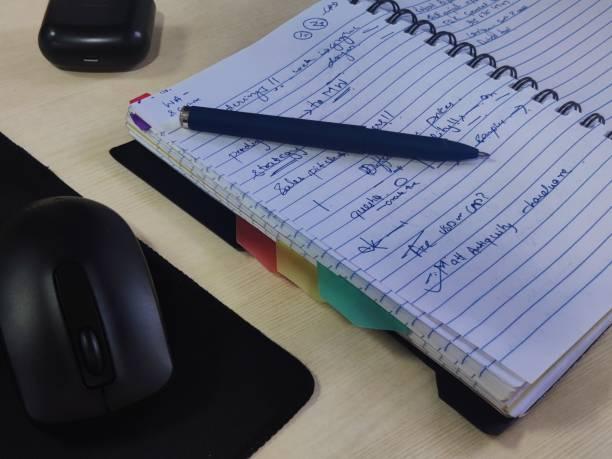
Writing a dissertation can feel like climbing a mountain. The sheer size of the task months of research, countless drafts, and endless revisions can overwhelm even the most determined students. But success doesn’t come from sprinting to the top. Instead, it emerges from consistent, intentional steps taken every single day. These small daily wins are what transform an intimidating project into a manageable, achievable goal.
In this post, we’ll explore why small wins matter in dissertation writing, how to structure them into your routine, and how they can reduce stress while keeping you motivated until the final submission.
The biggest obstacle in dissertation writing is often starting. Large goals can feel paralyzing, leading to procrastination. Small wins like completing a 300 word section, revising a page of notes, or formatting one reference list create momentum. Each task completed proves that progress is possible.
Small wins trigger a sense of accomplishment. According to research on motivation, the human brain releases dopamine when goals are achieved, even minor ones. This chemical boost fuels productivity and creates a positive feedback loop, making it easier to return to the project the next day.
Many students fall into the trap of all or nothing productivity. They attempt to write 5,000 words in a single sitting, only to burn out and avoid writing for days afterward. Small, steady progress prevents this cycle and supports sustainable productivity.
Instead of setting a vague target like “work on Chapter 2,” break it down into smaller, clear steps:
Write a 200 word introduction for a section.
Summarize two research articles.
Revise the topic sentences of three paragraphs.
These micro goals are less intimidating and more achievable.
Time based strategies such as the Pomodoro Technique 25 minutes of focused writing followed by a 5 minute break encourage productivity in short bursts. This method makes even the most difficult writing days manageable while adding frequent small victories.
A progress tracker, checklist, or calendar can help reinforce daily accomplishments. Physically checking off a task adds to the sense of achievement, making the abstract process of dissertation writing more tangible.
Consistency is where the real power of small wins lies. Writing just 300 words a day might not feel like much, but over three months, that equals more than 27,000 words enough for a full dissertation draft.
Think of dissertation writing like financial investment. Small deposits (daily writing) accumulate into a large account (the finished dissertation). Missing occasional days won’t ruin your progress, but regular small contributions create compound growth over time.
Perfectionism is a common barrier for dissertation writers. Many delay progress because they fear their work isn’t “good enough.” By focusing on small, daily wins, you shift attention from perfection to completion. Drafts can always be refined later, but progress today matters most.
Daily wins encourage balance. By setting realistic, manageable goals, you avoid overworking and ensure time for rest. This balance supports mental well being, reduces anxiety, and prevents burnout throughout the dissertation journey.
Habits thrive on consistency. Writing at the same time each day whether morning, afternoon, or evening helps condition your brain to enter “writing mode.” Over time, this ritual makes starting easier and reduces procrastination.
Rewarding yourself for completing daily goals, whether through a short walk, a snack, or a relaxing break, reinforces positive habits. Celebration strengthens the connection between small wins and motivation.
Accountability partners, study groups, or supervisors can provide encouragement and track your progress. Sharing daily wins with others not only boosts motivation but also reduces feelings of isolation during dissertation writing.
Writing a 150 word abstract draft.
Reformatting five citations into the correct referencing style.
Reading one journal article and summarizing the main findings.
Drafting one figure or diagram for the methodology chapter.
Reviewing and editing a single section of a literature review.
Each of these tasks may feel small on its own, but together, they push you steadily toward the finish line.
Scrivener: Helps organize chapters and notes.
Zotero or EndNote: Simplify reference management.
Trello or Notion: Allow for visual task tracking.
Sticky notes with micro goals.
A wall calendar to mark completed writing days.
A notebook dedicated to daily reflections and progress logs.
Each completed task strengthens your identity as a capable researcher and writer. Instead of viewing yourself as someone “struggling with a dissertation,” you become someone who consistently makes progress. This shift in self perception is powerful, especially when facing challenges like writer’s block or self doubt.
Small wins also help you see the dissertation as a series of achievable steps rather than a single massive obstacle. This mindset not only boosts confidence but also makes the process more enjoyable.
While small daily wins build momentum, there may be times when expert guidance is necessary particularly for complex topics, formatting challenges, or advanced research methods. In such cases, reaching out for professional support, such as the best humanities dissertation writing service, can provide structure and expertise. This external help complements your daily progress, ensuring that your dissertation is academically rigorous and professionally polished.
Dissertation writing is not about overnight breakthroughs but about consistent, intentional effort. Small daily wins may seem minor, but together they create unstoppable momentum. They reduce stress, boost confidence, and transform an overwhelming task into a journey of steady achievement.
By setting micro goals, celebrating progress, and maintaining consistency, you’ll not only complete your dissertation but also build skills in discipline, time management, and resilience that will serve you long after graduation.
So, the next time you sit down to write, don’t focus on finishing the entire dissertation. Instead, aim for one small, achievable win today. Over time, these wins will add up to something extraordinary: a completed dissertation you can be proud of.