English
 Arabic
 French
 Spanish
 Portuguese
 Deutsch
 Turkish
 Dutch
Dutch
 Italiano
 Russian
 Romaian
 Portuguese (Brazil)
 Greek
Greek
Why Does Full-Service Corporate Event Production Save Time and Resources?
Other |
2026-07-15 10:13:32
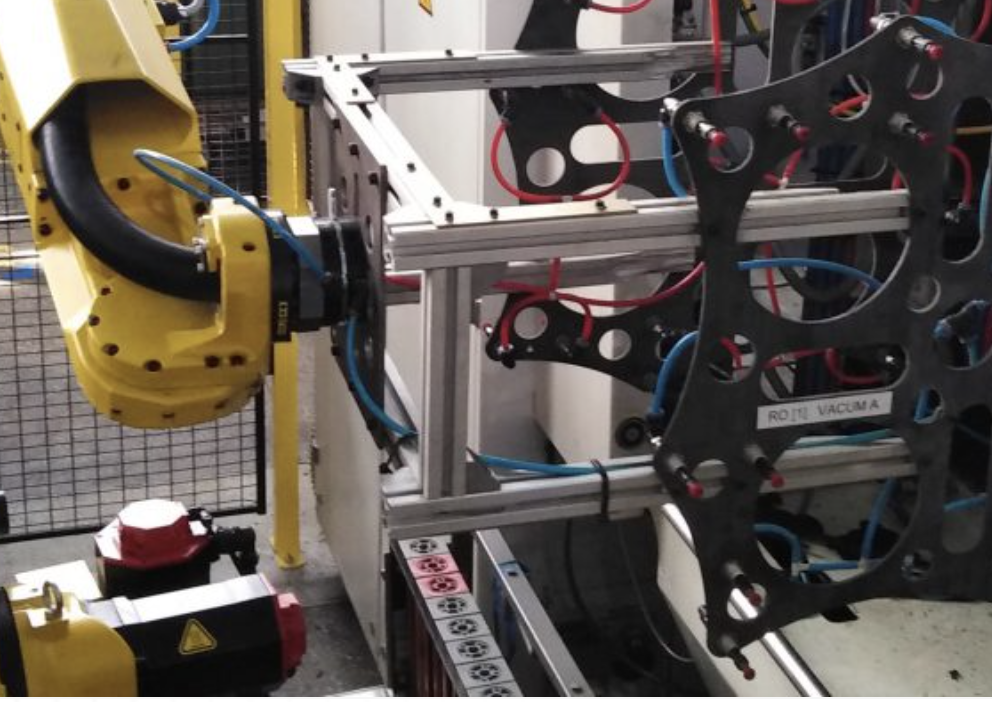
Carbon fiber molding is one of the most advanced manufacturing processes used to create lightweight, durable, and high-strength composite components for a wide range of industries. From aerospace and automotive engineering to sporting goods, marine applications, and industrial equipment, carbon fiber molding offers exceptional performance while significantly reducing weight. As manufacturers continue to seek stronger and more efficient materials, molded carbon fiber components have become an essential solution for improving product reliability and overall performance.
The carbon fiber molding process begins by placing carbon fiber fabric or prepreg material into a precision mold designed for the desired component. Depending on the manufacturing method, resin is introduced through resin transfer molding (RTM), vacuum infusion, compression molding, or hand lay-up followed by vacuum bagging. The part is then cured under controlled temperature and pressure to ensure maximum strength and structural integrity. After curing, the component undergoes trimming, finishing, and quality inspection before being ready for use.
One of the biggest advantages of carbon fiber molding is its excellent strength-to-weight ratio. Components are highly resistant to corrosion, fatigue, and harsh environmental conditions while maintaining exceptional stiffness and dimensional stability. These properties make carbon fiber an ideal material for demanding applications where traditional metals may add unnecessary weight or require additional maintenance.
Modern manufacturing technologies have made carbon fiber molding more efficient and cost-effective, allowing businesses to produce complex shapes with consistent quality and minimal waste. Whether producing prototype parts or large production runs, carbon fiber molding provides a reliable solution for creating high-performance composite products that meet the strict requirements of today's competitive industries.