English
 Arabic
 French
 Spanish
 Portuguese
 Deutsch
 Turkish
 Dutch
Dutch
 Italiano
 Russian
 Romaian
 Portuguese (Brazil)
 Greek
Greek
The Role of Design and Simulation Software in Injection Molded Products
Other |
2025-11-13 03:27:08
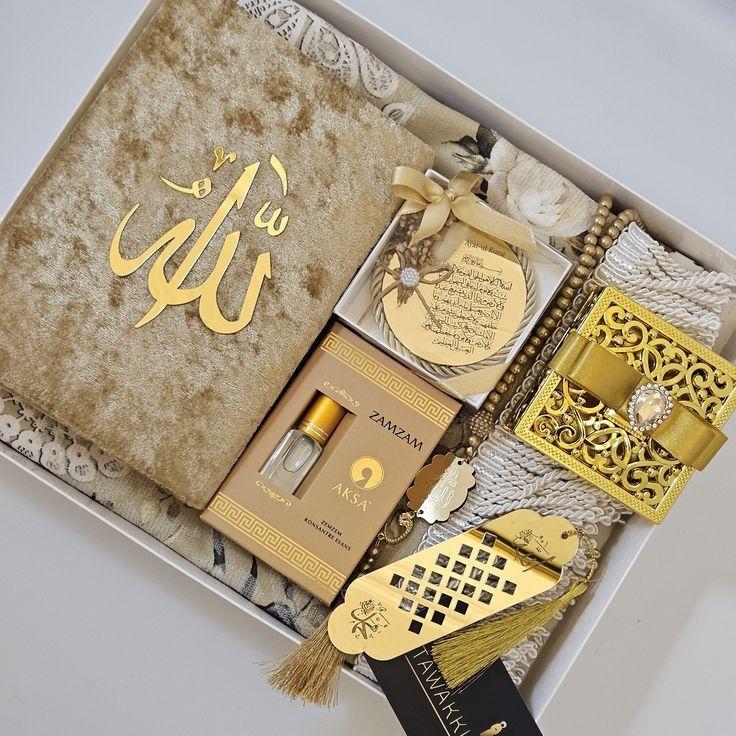
Standing in front of a shelf full of books — or scrolling through an endless list online — it's easy to feel unsure about which one to pick. Islamic gift books cover such a wide range of topics, styles, and reading levels that choosing the "right" one can feel overwhelming, especially when you want the gift to genuinely resonate with the person receiving it.
The good news is that choosing well doesn't require guesswork. It just requires asking the right questions before you buy. This guide walks through exactly how to do that, so your next gift feels personal rather than random.
The most common mistake in gifting is choosing a book because it's popular, rather than because it fits the reader. Before browsing titles, think about the person you're buying for: their age, their stage in faith, and what they already enjoy reading. A book that's perfect for one person can feel completely mismatched for another, even if both are labeled as "bestsellers."
Islamic gift books aren't one-size-fits-all, and matching the book to where someone is in their spiritual journey makes a real difference.
For someone just beginning to explore Islam — a simple, well-explained Quran translation or an introductory book on core beliefs works best.
For someone with a steady daily practice — a Hadith collection or a book on strengthening worship habits can add depth to what they already do.
For someone deeply established in their faith — classical texts, such as the works of Syed Abul Ala Maududi, or in-depth Seerah biographies offer material that rewards a more experienced reader.
Matching the book to this stage shows that you understand the person, not just the occasion.
Two books on the same subject can feel completely different depending on how they're written. Some readers prefer direct, structured guidance; others connect more with narrative or conversational writing. Writers like Khurram Murad, for example, are known for making Islamic concepts feel approachable and relevant to modern life — a good fit for readers who find denser classical texts difficult to get through. If you know the person's reading style, let that guide your choice as much as the subject matter does.
While a great Islamic gift book can suit almost any occasion, tailoring your choice to the moment adds an extra layer of thoughtfulness:
Weddings call for books on building a faith-centered home and relationship
Newborns are best paired with children's Islamic storybooks for future reading
Milestones like graduations suit self-development books rooted in Islamic values
Difficult times are better matched with books offering comfort, patience, and reflection
A book chosen with the occasion in mind feels intentional rather than generic.
How a book looks and feels matters more than people expect. A hardbound, well-designed edition often feels more like a keepsake than a simple purchase — especially for occasions like weddings or milestone birthdays. If the book is meant to be displayed or passed down, presentation can be just as important as content.
It's tempting to choose the most comprehensive, in-depth book available, but that's not always the right call. A dense, scholarly text might overwhelm a reader who's newer to religious literature, while a very simple book might feel underwhelming for someone who already reads extensively. The best gift often sits right at the edge of the recipient's current comfort level — enough to engage them, without being so advanced it goes unread.
If you're unsure about someone's exact preferences, look for books that appeal broadly — a well-translated Quran, a respected Seerah biography, or a classic Hadith collection. These titles tend to be appreciated across age groups and levels of religious knowledge, making them a safe and meaningful choice even when you don't know every detail about the recipient's reading habits.
Before finalizing your choice, ask yourself:
Does this match where the person is in their faith journey?
Does the writing style suit how they like to read?
Does it fit the occasion you're gifting it for?
Would they realistically enjoy revisiting this book over time?
If you can answer yes to most of these, you've likely found a gift that will be genuinely appreciated.
Choosing Islamic gift books doesn't have to be complicated once you shift the focus from "what's popular" to "what fits this person." A little thought about their faith journey, reading style, and the occasion goes a long way toward turning a simple purchase into a gift that's remembered and revisited for years.
How do I choose the right Islamic gift book for someone? Consider their stage in their faith journey, their preferred reading style, and the occasion you're gifting for. Matching these three factors usually leads to a well-received gift.
What's a safe Islamic gift book choice if I don't know the person's preferences well? Versatile options like a well-translated Quran, a respected Seerah biography, or a classic Hadith collection tend to appeal across age groups and reading levels.
Should I choose a book based on popularity or the recipient's interests? The recipient's interests should always take priority. A popular book that doesn't match their reading style or faith journey is less likely to be genuinely appreciated.
Are hardbound or special editions worth choosing for gifting? Yes, especially for significant occasions like weddings or milestones, where the book is likely to be kept and displayed rather than read once and set aside.