English
 Arabic
 French
 Spanish
 Portuguese
 Deutsch
 Turkish
 Dutch
Dutch
 Italiano
 Russian
 Romaian
 Portuguese (Brazil)
 Greek
Greek
L'évolution technologique des plateformes de divertissement en 2026
Games |
2026-06-07 12:43:10
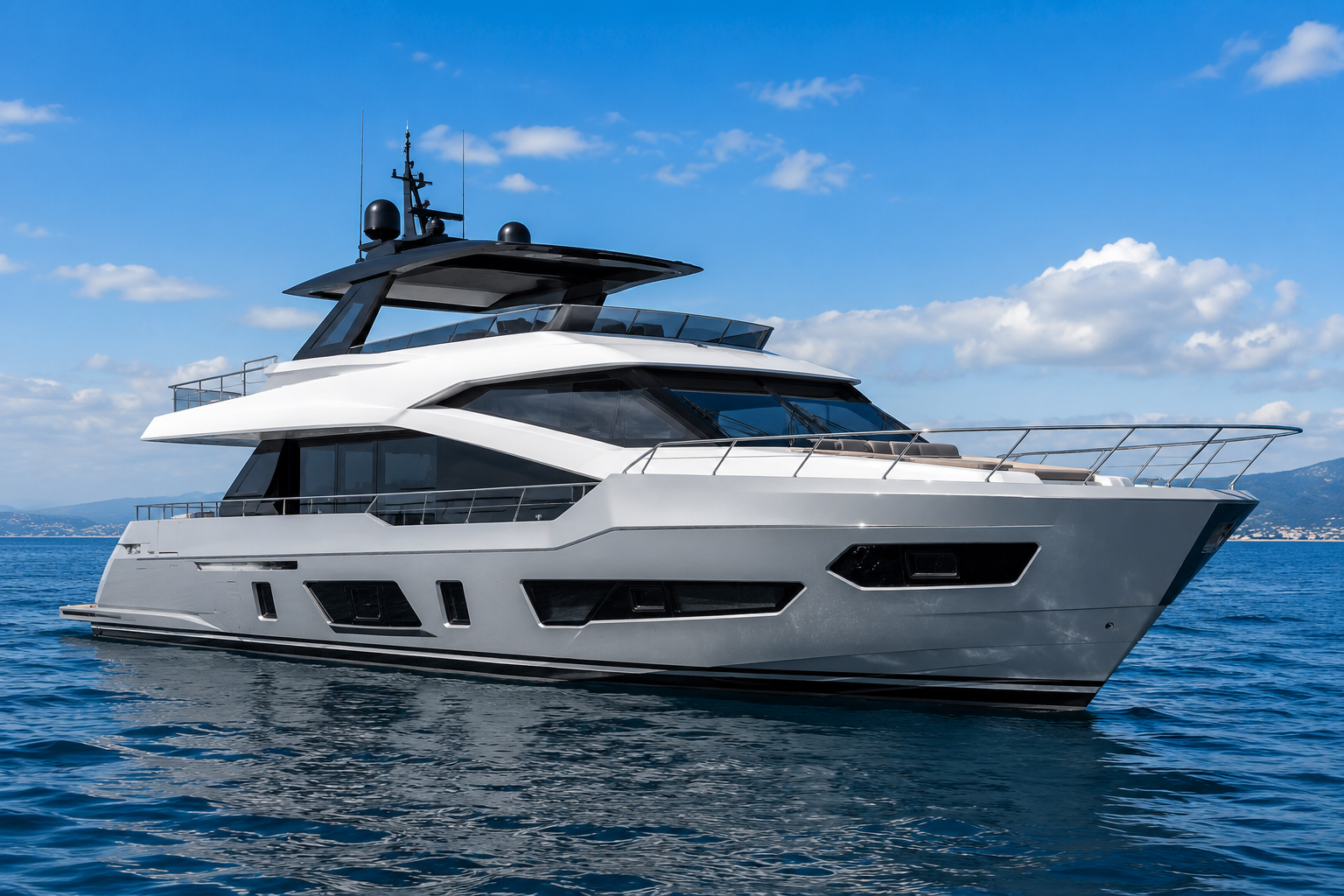
For yacht owners, the open ocean represents the ultimate expression of freedom, privacy, and luxury. Whether navigating the azure waters of the Mediterranean, cruising through the Caribbean, or embarking on a transoceanic voyage, owning a vessel offers unprecedented access to the world’s most scenic coastlines.
However, behind every seamless voyage lies a critical foundation of maritime administration: yacht registration.
Registering a yacht is far more than a simple formality or a legal requirement to display a flag at the stern. The choice of jurisdiction—commonly referred to as the flag state—dictates the legal framework under which your vessel operates, determines your tax and customs obligations, impacts insurance coverage, and dictates where you can sail freely.
This comprehensive guide explores everything you need to know about international yacht registration, key flag jurisdictions, and how to choose the best legal harbor for your vessel.
Under international maritime law—specifically the United Nations Convention on the Law of the Sea (UNCLOS)—every vessel navigating international waters must be registered to a recognized nation. The country under whose laws the vessel is registered becomes its "flag state."
When you register your yacht, the flag state grants the vessel its nationality. In return, the vessel must comply with the maritime laws, safety standards, and regulations enforced by that country.
Legal Identity and Protection: Registration proves legal ownership and provides diplomatic protection from the flag state while operating in foreign waters or international territory.
Customs and Port Entry: Port authorities across the globe require valid registry papers, official vessel tonnage certificates, and radio operation licenses before granting entry or departure clearances.
Financing and Mortgages: Banks and financial institutions will not finance a superyacht or private vessel without a registered title and a recognized maritime mortgage recorded in an official vessel registry.
Insurance Eligibility: Marine underwriters require valid, active flag registration to issue hull and machinery (H&M) as well as protection and indemnity (P&I) insurance coverage.
Before selecting a flag jurisdiction, yacht owners must decide how the vessel will be utilized. Jurisdictions generally categorize vessels into two primary operational classes: Private and Commercial.
|
Feature |
Private Registration |
Commercial Registration |
|
Primary Purpose |
Personal leisure & family use |
Chartering, hiring, & revenue generation |
|
Safety Audits |
Standard requirements |
Rigorous, annual safety inspections |
|
Crew Regulations |
Flexible crew requirements |
Strict STCW certification & limits |
|
Tax Implications |
Subject to local import VAT/taxes |
Potential tax exemptions on chartering |
Private registration is designed for owners who intend to use their yacht strictly for personal leisure, family, and non-paying guests.
Advantages: Simpler registration procedures, lower annual compliance costs, flexible crew certification requirements, and reduced survey demands.
Limitations: The vessel cannot legally be chartered or used to generate commercial revenue.
If you plan to charter your yacht to third parties to offset operational costs, commercial registration is required.
Advantages: Ability to operate legally as a business entity, charter in international waters, and potentially claim VAT exemptions on vessel fuel, equipment, and maintenance.
Limitations: Commercial registration mandates strict compliance with commercial safety codes (such as the Large Yacht Code), certified professional crew requirements, regular technical surveys, and higher operational overheads.
Not all vessel registries are created equal. Different countries offer unique legal structures, tax frameworks, and administrative benefits. When selecting a flag state, consider the following key factors:
The Paris Memorandum of Understanding (Paris MoU) and Tokyo MoU publish annual lists ranking flag states based on port state control inspection performance:
White-Listed Flags: Highly respected flag states with excellent safety records. Vessels flying these flags experience fewer unexpected port inspections and delays.
Grey/Black-Listed Flags: Flags with poor compliance track records, leading to frequent target inspections, delays, and heightened security scrutiny in foreign ports.
Some traditional registries require the beneficial owner of the yacht to be a citizen or resident of that country. However, many popular modern international registries allow non-resident foreign individuals or foreign corporate entities (such as an LLC or IBC) to hold vessel ownership.
Yachting in regions like the European Union involves complex Value Added Tax (VAT) rules. Selecting a jurisdiction with favorable tax treatments, structured leasing schemes, or duty-free status can significantly optimize your operational budget.
Yacht owners today have access to dozens of flag registries worldwide. Below are some of the most prominent options utilized by private and commercial yacht owners:
Poland has rapidly become one of the most popular yacht registration choices in Europe for vessels up to 24 meters.
Key Benefits: Full EU flag status, lifetime registration (no annual renewal fees), no required technical survey for private vessels under 24m, and open to all nationalities.
Delaware is a widely recognized jurisdiction for private motorboats and sailing yachts operating outside European territorial waters.
Key Benefits: Fast administrative processing, low state fees, no corporate income tax for out-of-state entities, and simple ownership structures.
The UK Part 1 Registry is a prestigious Red Ensign Group flag suitable for global cruising.
Key Benefits: World-renowned maritime reputation, strong legal protection under British maritime law, and international bank acceptance for marine mortgages.
While specific administrative steps vary by country, the general workflow for registering a yacht internationally follows a structured path:
Document Preparation: Collect key documentation, including the original Manufacturer's Statement of Origin (MSO) or Bill of Sale, builder’s certificate, passport copies, and proof of address.
Flag Deletion Certificate: If purchasing a pre-owned boat, you must obtain an official Certificate of Deletion from the previous owner's flag registry proving the vessel is free of legal encumbrances.
MMSI and Radio Certification: Maritime law requires vessels equipped with VHF, AIS, radar, or satellite communication gear to hold a valid Maritime Mobile Service Identity (MMSI) radio license.
Professional Guidance: Due to the complex web of maritime legalities, many owners work directly with specialized service providers. Partnering with seasoned advisors like Boat Reg Consultants streamlines the entire workflow—ensuring fast turnaround times, correct documentation filing, and full legal compliance without unexpected delays.
Navigating maritime paperwork independently can lead to costly mistakes. Avoid these common pitfalls:
Operating with Expired Temporary Papers: Provisional registrations are time-sensitive. Cruising on an expired provisional flag can lead to vessel detention by port authorities.
Ignoring Local Tax and Duty Rules: Entering EU, US, or Caribbean waters without understanding local temporary admission (TA) rules can trigger unexpected tax assessments or customs penalties.
Mismatched Radio Station Licenses: Operating emergency beacons (EPIRBs) or AIS systems with incorrect callsigns or unregistered MMSI numbers poses serious safety risks during search-and-rescue operations.
Securing the right international yacht registration is an essential step toward ensuring worry-free navigation across global seas. By carefully evaluating your operational needs, choosing a reputable flag state, and adhering to international safety standards, you protect your vessel's value, legal status, and marketability.
Whether you are taking delivery of a new motor yacht or re-flagging an existing vessel, proper administrative planning ensures that your journey on the open water remains smooth, secure, and fully compliant.