English
 Arabic
 French
 Spanish
 Portuguese
 Deutsch
 Turkish
 Dutch
Dutch
 Italiano
 Russian
 Romaian
 Portuguese (Brazil)
 Greek
Greek
Gay Massage Relaxation, Wellness, and Inclusive Body Care
Health |
2025-12-17 07:40:19
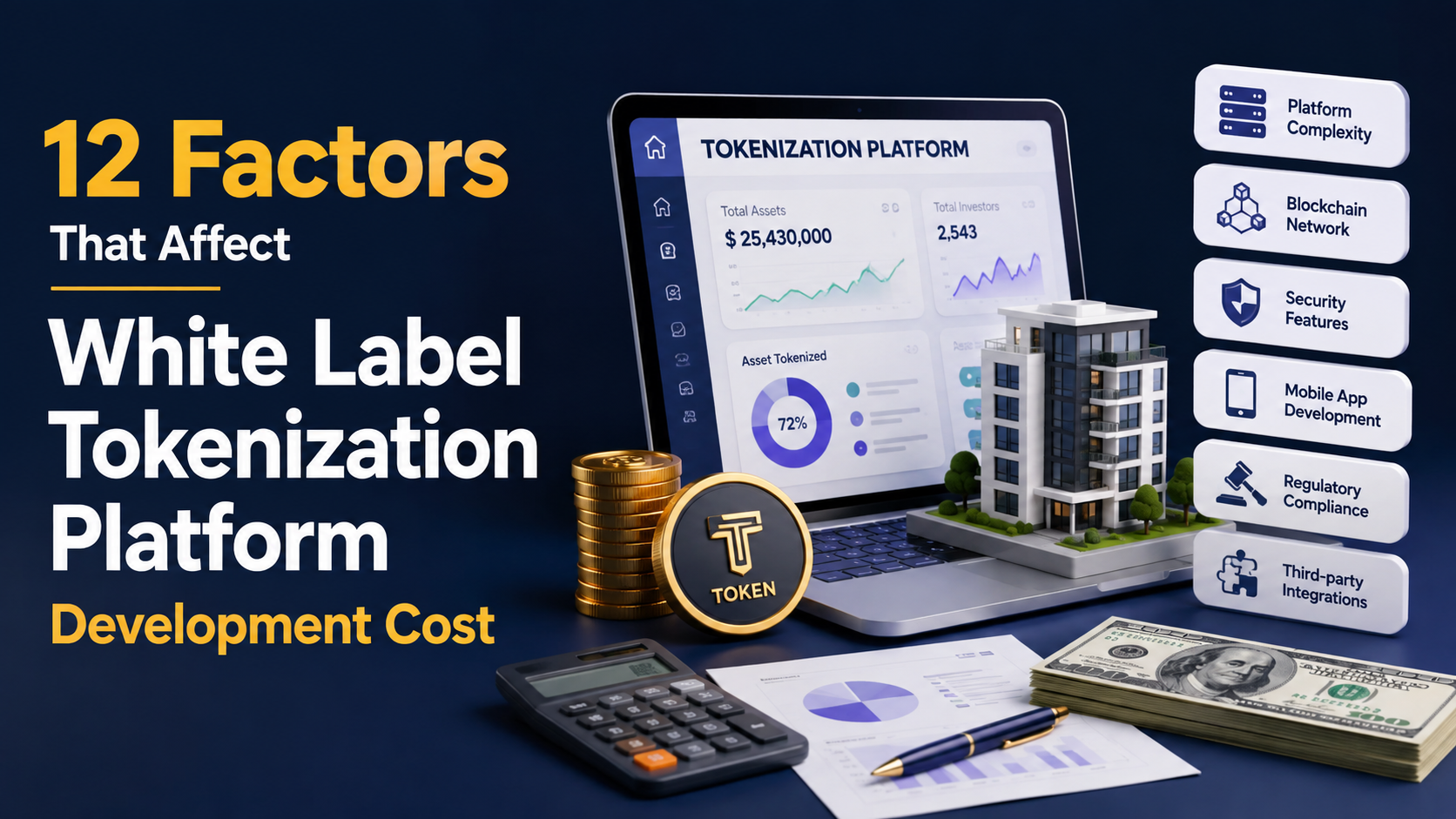
The demand for tokenized assets has grown as businesses look for digital ways to represent ownership in real estate, private funds, commodities, securities, and other assets. A White Label Tokenization Platform gives businesses a ready-made foundation that can be adapted to their business model instead of creating every platform component from the beginning. However, the final development cost can vary widely based on the platform's functions, asset type, blockchain network, compliance requirements, user experience, and post-launch support.
For businesses planning a tokenization project, understanding these cost factors helps with budgeting and project planning. A simple platform for one asset category may require a modest investment, while a multi-asset platform with trading, compliance, custody, and administrative functions can require considerably more resources. Here are 12 major factors that influence White Label Tokenization Platform Development cost.
The asset category is one of the first factors that affects development expenses. Tokenizing real estate, private equity, bonds, commodities, artwork, or other assets can involve different business rules and legal requirements.
For example, a platform focused on property ownership may need property details, ownership records, rental income information, valuation data, and distribution mechanisms. A platform dealing with securities may require additional investor verification and regulatory controls.
A White Label Real Estate Tokenization Platform can therefore have a different development budget from a platform designed for several asset classes. Businesses should first decide which assets they plan to support because this decision influences the rest of the platform architecture.
The blockchain network used by the platform also affects development cost. Ethereum, Polygon, BNB Chain, Avalanche, Solana, and private blockchain environments have different technical structures, transaction costs, development requirements, and integration methods.
Supporting a single network usually requires less development work than offering multiple networks. A multi-chain platform may require additional smart contract versions, wallet integrations, testing procedures, transaction monitoring, and network-specific functions.
Businesses planning White Label Real Estate Tokenization Development should select blockchain infrastructure based on transaction volume, asset type, investor requirements, token standards, and expected operating costs rather than choosing a network only because it is popular.
Smart contracts manage many activities related to token issuance and ownership. Their complexity has a direct effect on development time and cost.
A basic token contract may include functions such as issuance, transfer, and balance tracking. A more sophisticated contract may include investor restrictions, transfer rules, dividend distribution, voting rights, redemption conditions, whitelisting, and compliance checks.
Real estate tokenization can require contracts that represent fractional ownership or economic rights connected with a property. The more business rules included in the contracts, the more development and testing work is required.
The number of functions offered to investors also influences the budget. A basic investor portal may allow users to register, complete verification, view available assets, purchase tokens, and monitor holdings.
A larger platform may include portfolio tracking, investment history, dividend information, secondary trading, token transfers, notifications, document access, wallet management, and detailed transaction records.
Every additional feature requires interface development, backend logic, database work, testing, and security checks. Businesses should therefore separate must-have functions from later additions when planning White Label Real Estate Tokenization Services.
Tokenization platforms often need compliance functions, especially when dealing with regulated assets or investors from multiple regions. Know Your Customer and Anti-Money Laundering processes can require identity verification, document checks, investor classification, sanctions screening, and transaction monitoring.
Instead of creating every compliance function internally, businesses can connect the platform with external verification providers. The cost will depend on the provider, number of users, verification volume, and required checks.
A platform intended for several jurisdictions may also require different rules for investor eligibility, token transfers, reporting, and asset access. These requirements can increase both development and maintenance costs.
Users need practical ways to hold tokens and complete transactions. Depending on the project, the platform may support external Web3 wallets, custodial wallets, fiat payments, cryptocurrency payments, or a combination of these options.
Wallet integration requires attention to authentication, transaction signing, token balances, network fees, failed transactions, and security controls. Fiat payment integration can involve payment gateways, bank transfers, card payments, or other financial infrastructure.
The number of payment methods and wallet options has a direct effect on development work. A platform with a single payment method is generally less complex than one supporting several payment channels.
Not every tokenization platform needs a secondary marketplace. However, businesses that want investors to trade eligible tokens after issuance may require a significantly broader feature set.
A marketplace can include order management, asset listings, investor eligibility checks, trading records, settlement functions, pricing information, and transaction monitoring. Regulatory requirements may also influence how trading is handled.
If the platform includes secondary trading from the beginning, development costs can rise considerably compared with a platform focused only on primary issuance and investor management.
Administrators need tools to manage assets, investors, token supply, transactions, documents, distributions, and platform activity. The complexity of the admin dashboard can therefore affect the total project budget.
A basic dashboard may provide user and asset management. A more detailed system can include role-based permissions, investment approvals, transaction monitoring, compliance reports, token allocation controls, revenue distribution, audit records, and platform analytics.
For a White Label Real Estate Tokenization Platform, administrators may also need property-specific information such as valuation records, rental income, ownership percentages, legal documents, and investor distributions.
The design of the platform also contributes to development expenses. A simple interface with standard screens requires less design and development effort than a platform with multiple dashboards and personalized workflows.
Investor-facing screens may include asset discovery, property information, investment details, portfolio records, payment pages, token balances, and transaction history. Issuers may require separate dashboards for asset listing, token issuance, investor management, and reporting.
The number of user roles matters as well. A platform serving investors, issuers, administrators, compliance teams, and asset managers will need different permissions and interfaces for each group.
Security is a major consideration for tokenization platforms because the system may handle financial transactions, digital assets, identity information, and sensitive business data.
Development expenses can include smart contract audits, application security testing, API testing, wallet security reviews, penetration testing, access controls, encryption, and transaction monitoring.
Testing also needs to cover different user roles and transaction scenarios. Developers may test token issuance, transfers, failed payments, identity verification, restricted transactions, wallet connections, and unusual transaction conditions.
Projects involving financial assets generally require more testing than simple token-based applications because errors can result in financial or regulatory consequences.
A White Label Tokenization Platform may depend on several external services. These can include KYC providers, payment gateways, custodians, blockchain infrastructure providers, pricing systems, analytics tools, email services, document storage systems, and market data providers.
Each integration requires API development, authentication, error handling, testing, and ongoing maintenance. Some third-party services also charge setup fees or usage-based fees.
The number of integrations can therefore influence both initial development costs and monthly operating expenses. Businesses should identify required integrations during the planning stage rather than adding them unexpectedly during development.
The development budget does not end when the platform goes live. Blockchain networks change, third-party APIs receive updates, security requirements evolve, and new business requirements may emerge.
Post-launch support can include bug fixes, server monitoring, security updates, smart contract monitoring, feature improvements, blockchain upgrades, database maintenance, and technical assistance.
Businesses using White Label Real Estate Tokenization Services should also consider whether they need ongoing support for investor onboarding, platform administration, compliance changes, and integration maintenance.
A practical cost estimate should start with a detailed feature list. Businesses can divide the project into areas such as investor management, asset management, token issuance, smart contracts, compliance, wallets, payments, marketplace functions, administration, and reporting.
The next step is to identify which features are required for the initial release and which can be introduced later. A smaller first release can help businesses test their operating model before spending on a larger feature set.
The blockchain network, number of supported assets, number of user roles, geographic markets, third-party integrations, and security requirements should also be documented before requesting a development quotation.
For example, a basic platform supporting one asset category and one blockchain network will usually require fewer development resources than a multi-asset platform supporting several networks, payment methods, compliance systems, and secondary trading.
White label development can reduce the amount of work required for functions that are already available within an existing platform framework. Instead of starting every module from an empty project, businesses can work with an existing tokenization foundation and focus development efforts on business-specific requirements.
The final cost still depends on the amount of modification required. A business that needs only branding, interface changes, and a limited number of integrations may have a different budget from a business that requires new trading functions, complex compliance rules, multiple blockchains, and additional asset types.
White Label Real Estate Tokenization Platform Development can be particularly useful for businesses that want to enter the property tokenization market without creating every technical component independently. The project should still include proper legal review, security testing, smart contract assessment, and operational planning.
Cost control begins with realistic project planning. Businesses should define the target users, asset categories, supported regions, blockchain networks, payment methods, and regulatory requirements before development starts.
It is also useful to avoid adding unnecessary features during the first release. A platform can begin with investor onboarding, asset listing, token issuance, wallet management, compliance functions, and administrative controls. Additional marketplace and analytics features can be introduced based on business needs.
Choosing reliable third-party services, preparing detailed technical documentation, testing integrations early, and maintaining a defined development scope can also reduce unexpected expenses.
The cost of developing a White Label Tokenization Platform depends on several factors, including asset type, blockchain selection, smart contract complexity, investor functions, compliance requirements, wallets, payments, marketplace capabilities, admin tools, interface design, security testing, third-party integrations, and ongoing maintenance. Businesses planning White Label Real Estate Tokenization should evaluate these areas before setting a budget because each requirement can affect development time and operational expenses. A well-planned project can begin with the functions needed for the intended market and add further capabilities as demand grows. Blockchain App Factory provides RWhite Label Real Estate Tokenization Services that can support businesses looking to establish a platform for tokenized property assets.
A White Label Tokenization Platform is a pre-developed tokenization system that businesses can use under their own brand. It can include functions for asset issuance, investor management, wallets, compliance, administration, and other tokenization activities.
There is no single factor for every project. Platform complexity, blockchain selection, smart contracts, compliance requirements, asset type, integrations, and marketplace functions can all have a significant effect on the budget.
The cost depends on the project requirements. Real estate platforms may require property management data, ownership records, investor verification, income distribution, legal documents, and property-specific workflows, which can increase development work.
Yes. Supporting multiple networks can require separate smart contract implementations, wallet connections, testing procedures, transaction handling, and network-specific integrations.
Yes. A marketplace introduces additional functions such as asset listings, trading workflows, investor eligibility checks, order management, settlement, and transaction records.
Smart contracts can manage token ownership and financial activities. Audits and security testing can help identify coding issues before contracts are used in production.
Yes. A business can begin with a limited feature set focused on its immediate market and add additional functions later. This approach can make initial planning and budgeting easier.
White Label Real Estate Tokenization Services provide businesses with technical support for launching property tokenization platforms under their own brand. Services may cover platform development, smart contracts, integrations, security, and ongoing technical support.
White label development uses an existing platform foundation, while development from scratch involves creating the technical system from the beginning. The amount of modification required determines how much development work is still necessary.
Businesses should prepare information about the asset type, target users, blockchain networks, countries of operation, compliance requirements, payment methods, wallet preferences, marketplace requirements, integrations, and desired platform features.