English
 Arabic
 French
 Spanish
 Portuguese
 Deutsch
 Turkish
 Dutch
Dutch
 Italiano
 Russian
 Romaian
 Portuguese (Brazil)
 Greek
Greek
Pokemon TCG Pocket U4GM Crimson Blaze Card List Tips
Games |
2026-07-09 09:20:34
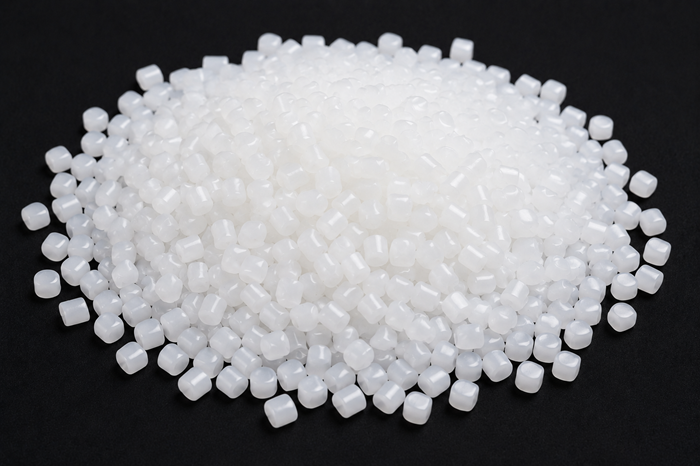
The global High-Density Polyethylene (HDPE) market experienced a strong increase during the first quarter of 2026. Prices moved higher across several important markets as supply chains came under pressure from geopolitical tensions, higher energy costs, and disruptions in international trade. The situation became particularly noticeable after tensions between the United States and Iran affected crude oil and petrochemical movements and created uncertainty around shipments through the Strait of Hormuz.
For HDPE, changes in crude oil and feedstock markets are important because ethylene is a major raw material used in production. When crude oil becomes more expensive, the effect can move through the petrochemical chain and increase the cost of producing polyethylene. During Q1 2026, this cost pressure was combined with restricted availability of imported material, creating a stronger upward environment for the market.
The HDPE price trend during the quarter was therefore influenced by both supply and cost factors. Buyers in different regions had to deal with higher replacement costs and longer or more expensive logistics. At the same time, demand began recovering in several downstream industries. This combination gave producers more confidence to maintain or increase their offers.
Global Supply Disruptions Affect HDPE
One of the biggest factors affecting the HDPE market in Q1 2026 was the disruption to Middle Eastern trade flows. The closure of the Strait of Hormuz created serious uncertainty for crude oil and petrochemical shipments. A large share of polyethylene shipments from the Middle East normally moves through international shipping routes connected to the region, so any disruption can quickly affect availability in importing markets.
The reduction in Middle Eastern polyethylene shipments placed additional pressure on buyers in Asia, Europe, and other importing regions. Importers had to look for alternative suppliers, while some buyers increased their procurement to protect themselves from possible shortages. This change in purchasing behaviour added further support to market values.
Higher crude oil prices also affected naphtha and ethylene costs. Since ethylene is directly connected to polyethylene production economics, higher feedstock costs increased the expenses faced by manufacturers. Producers then attempted to pass part of these additional costs through their selling prices.
Freight and logistics expenses also became important. When shipping routes are disrupted, transportation costs can rise quickly. Marine insurance and longer delivery routes can add further expenses. For an imported polymer such as HDPE, these additional costs can have a noticeable effect on the final replacement value for buyers.
HDPE Market in Mexico
Mexico recorded a significant increase during Q1 2026. Prices increased by approximately 22.5% compared with the previous quarter. The rise was supported by recovering demand and lower availability of imported material.
The disruption of Middle Eastern exports affected international supply conditions, making it more difficult for buyers to secure material at earlier price levels. At the same time, higher crude oil and feedstock costs increased the cost structure for polyethylene producers and exporters.
Mexican buyers also faced higher freight and logistics expenses. When imported material becomes more expensive to transport, suppliers generally adjust their offers to account for the additional cost. This contributed to higher replacement values in the Mexican market.
The increase became particularly strong toward the end of the quarter. In March 2026, HDPE prices in Mexico increased by approximately 41.0%. The sharp monthly movement showed how quickly supply concerns and higher feedstock expenses could affect purchasing decisions.
Buyers who were concerned about further increases had an additional reason to replenish inventories. This type of procurement can temporarily increase market demand and provide additional support to prices. As a result, Mexico ended Q1 with a considerably firmer HDPE market than it had at the beginning of the quarter.
HDPE Market in Germany
Germany also experienced a clear increase during Q1 2026. Prices rose by approximately 18% compared with Q4 2025. The main factors were tighter global supply and higher production and import costs.
The disruption to Middle Eastern petrochemical shipments was particularly important for European buyers. With fewer polyethylene cargoes available from the region, European importers had to consider alternative sources. This increased competition for available material and pushed replacement costs higher.
Crude oil movements added another layer of pressure. Higher crude values increased the cost of naphtha, while stronger naphtha values contributed to higher ethylene production costs. These increases eventually affected the economics of polyethylene production.
German buyers also had to consider transportation and supply uncertainty. When deliveries become less predictable, companies may choose to purchase earlier than usual to avoid potential shortages. This can strengthen demand even when overall industrial consumption has not increased dramatically.
The market became especially firm in March. HDPE prices in Germany increased by approximately 40% during the month. This sharp monthly rise reflected the combination of higher feedstock costs, limited import availability, and continued concerns about international logistics.
HDPE Market in China
China experienced a more moderate quarterly increase compared with Mexico, Germany, and the United States. Prices increased by approximately 3.7% in Q1 2026. However, the market still faced considerable pressure from global supply disruptions and rising feedstock costs.
Middle Eastern supply restrictions reduced the availability of some imported polyethylene cargoes and contributed to higher import costs. China was able to reduce some of the impact by sourcing material from alternative suppliers, which helped prevent an even larger quarterly increase.
Demand also began to improve gradually. Industrial activity and downstream consumption provided some support to the market, although buyers remained relatively careful with their purchasing decisions.
The increase became much stronger in March. HDPE prices in China rose by approximately 19.1% during the month. Stronger industrial demand combined with tighter import availability created a more supportive market environment toward the end of the quarter.
The Chinese market therefore showed an important difference between the quarterly and monthly movements. While the average Q1 increase was relatively modest, the sharp March increase indicated that supply and cost pressures became more visible as the quarter progressed.
HDPE Market in the United States
The United States recorded one of the strongest quarterly increases among the markets covered in Q1 2026. Prices increased by approximately 24.2% compared with Q4 2025.
Several factors supported the rise. Demand recovery and improved export activity provided a stronger market foundation, while production disruptions limited available supply. At the same time, higher ethylene costs increased production expenses.
Crude oil remained an important influence on the US petrochemical market. Rising energy prices increased upstream costs and contributed to stronger ethylene values. Geopolitical uncertainty also created concerns about global energy availability, adding to the overall bullish sentiment.
The US market became particularly strong during March. HDPE prices increased by approximately 43.8% during the month. Aggressive procurement amid supply concerns, rising feedstock costs, and logistical challenges contributed to the sharp increase.
Some buyers increased purchases because they were concerned that material could become even more expensive or difficult to obtain. This helped strengthen short-term demand and gave suppliers greater confidence in maintaining higher offers.
Outlook for the HDPE Market
The first quarter of 2026 showed how quickly HDPE markets can react when energy, feedstock, and logistics conditions change at the same time. The combination of geopolitical tensions, restricted Middle Eastern shipments, higher crude oil values, stronger ethylene costs, and recovering demand created a particularly firm environment.
However, future market direction will depend on how quickly international supply chains normalize. If shipping routes improve and polyethylene availability increases, some of the supply pressure could ease. Lower crude oil and feedstock costs could also reduce production expenses and limit further price increases.
On the demand side, continued activity from packaging, consumer goods, construction, and industrial applications will remain important. If downstream buyers continue replenishing inventories, prices could retain support. If buyers become more cautious after the large Q1 increases, the market could experience some correction.
Overall, Q1 2026 was a strong period for HDPE. The sharp monthly increases seen in Mexico, Germany, China, and the United States showed that the market was highly sensitive to supply disruptions and cost changes. The coming period will depend largely on energy prices, feedstock availability, international shipping conditions, and the strength of downstream demand.
Please Submit Your Query For HDPE Price Trend, Market Analysis and Forecast: https://www.price-watch.ai/book-a-demo/
About Price Watch™ AI
Price-Watch AI is an India-based, independent raw material price reporting agency that provides real-time price forecasts and data-driven insights into global raw material markets. Price-Watch AI specializes in tracking raw material prices, analyzing market trends, and delivering timely updates on plant shutdowns, supply disruptions, capacity expansions, and demand-supply dynamics. The Price-Watch AI platform empowers manufacturers, traders, and procurement professionals to make faster, smarter decisions. Leveraging AI-powered forecasting and over a decade of historical data, Price-Watch AI transforms market volatility into actionable opportunity.
Futura Tech Park,
C Block, 8th floor 334,
Old Mahabalipuram Road,
Sholinganallur, Chennai, Tamil Nadu, Pincode - 600119.
𝐋𝐢𝐧𝐤𝐞𝐝𝐈𝐧: https://www.linkedin.com/company/price-watch-ai/
𝐅𝐚𝐜𝐞𝐛𝐨𝐨𝐤: https://www.facebook.com/people//61568490385598/
𝐓𝐰𝐢𝐭𝐭𝐞𝐫: https://x.com/pricewatchai
𝐖𝐞𝐛𝐬𝐢𝐭𝐞: https://www.price-watch.ai/