English
 Arabic
 French
 Spanish
 Portuguese
 Deutsch
 Turkish
 Dutch
Dutch
 Italiano
 Russian
 Romaian
 Portuguese (Brazil)
 Greek
Greek
Release Liner Paper: Silicone Chemistry Integration, Precision Base Calendering, and Die-Cutting Mechanics
Other |
2026-07-10 05:41:52
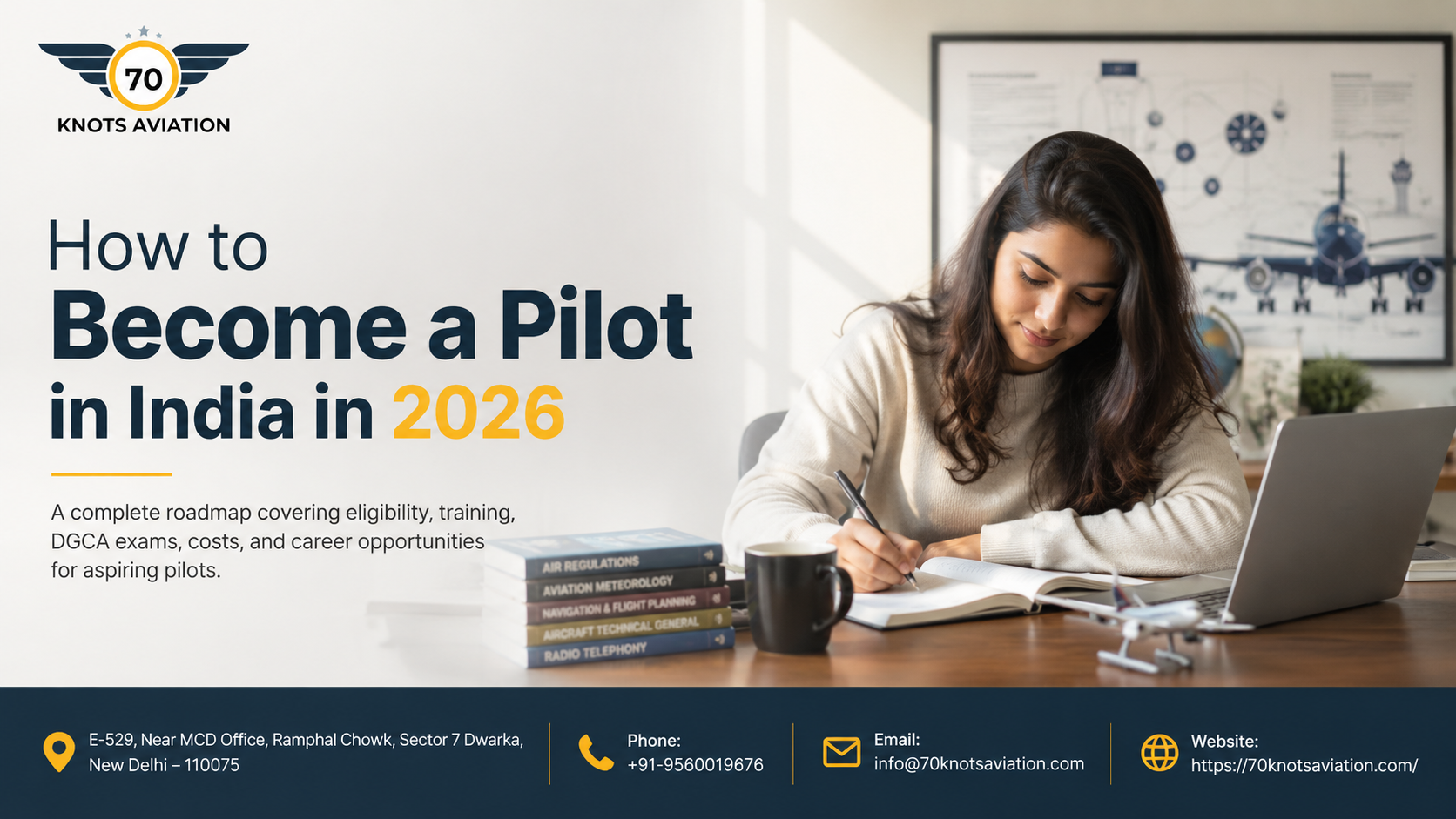
Becoming a pilot is a dream for many students, but the path can feel confusing once you start researching it. You may know that you need flight training and a Commercial Pilot Licence (CPL), but then questions start appearing:
Do I need Physics and Mathematics?
How much does pilot training cost in India?
What is DGCA Pariksha?
When should I complete my medical examination?
How do I choose a flying school?
What happens after completing flight training?
And most importantly, what should I do if I feel stuck?
The good news is that you do not have to figure everything out at once.
The pilot training journey becomes much easier when you divide it into clear stages. In 2026, aspiring pilots should focus not only on flying hours but also on DGCA requirements, medical fitness, examinations, documentation, financial planning and choosing an appropriate training pathway.
This guide explains the process step by step so that students can understand what comes next and make informed decisions about their aviation careers.
If you want to become a commercial pilot in India, you generally need to complete your education requirements, meet the applicable DGCA medical requirements, obtain your DGCA Computer Number, clear the required examinations, complete flight training and fulfil the requirements for a Commercial Pilot Licence.
A simplified roadmap looks like this:
Class 12 → Medical Assessment → DGCA Computer Number → DGCA Examinations → Ground Training → Flight Training → CPL Requirements → Airline Preparation
You do not necessarily have to complete every part in exactly the same order because some stages can overlap. However, planning the sequence properly can prevent unnecessary delays and expenses.
The first thing students should do is understand whether they are academically eligible.
For students pursuing the commercial pilot route, Physics and Mathematics at the 10+2 level are important requirements.
DGCA's Pariksha documentation states that candidates applying for CPL and other applicable Flight Crew examinations need to have passed 10+2 with Physics and Mathematics from a recognized board or university, or an accepted equivalent qualification.
This creates one of the most common points of confusion for students.
Do not immediately assume that your pilot dream has ended.
Students who do not have the required subjects should first investigate the accepted routes for completing the required academic qualification. Depending on your individual educational background, you may need to obtain the required subjects through an accepted board or equivalent pathway.
Before paying a flying school or beginning an expensive training plan, verify your qualification against the latest DGCA requirements.
This simple step can save you from making a costly mistake.
Medical fitness is another area where students often wait too long before taking action.
Flying requires pilots to meet prescribed medical standards. Therefore, you should understand your applicable DGCA medical requirements early in your journey.
Why?
Because spending substantial money on training before understanding whether you meet the applicable medical standards can create unnecessary financial and emotional pressure.
A sensible approach is to investigate your medical requirements at the beginning rather than treating medical certification as an afterthought.
Your medical status, educational qualification and financial plan should all be considered before you commit to full-scale flight training.
The DGCA examination system uses a Computer Number to identify candidates throughout their examination journey.
The current DGCA Pariksha FAQ states that a candidate is authorized to have only one Computer Number and that its validity is lifetime.
The Pariksha portal currently provides a dedicated registration process for new Flight Crew candidates.
This is an important administrative stage, so students should enter their personal and educational information carefully and keep their documents organized.
Do not treat documentation as a minor part of pilot training. Errors in names, dates, certificates or supporting documents can create avoidable delays.
DGCA Pariksha is the Directorate General of Civil Aviation's online registration and examination portal used for Flight Crew and other applicable aviation examinations.
The official portal explains that Pariksha integrates the relevant examination systems and that candidates with a Computer Number must register on the portal for future examinations.
The portal currently provides Flight Crew registration, examination information, examination calendars, syllabi and other candidate-related services.
For an aspiring pilot, understanding the examination process early can make the overall training journey much less stressful.
The examination schedule can change, so students should avoid relying on old YouTube videos, outdated blogs or information shared by other students several years ago.
The official Pariksha portal currently publishes its 2026 examination calendar and notices. For example, 2026 Flight Crew examination sessions have been published through the portal.
Therefore, always check the latest official notification before planning an examination attempt.
Once you understand your eligibility and documentation, you need to prepare for the theoretical side of pilot training.
Ground subjects develop the knowledge required to understand aviation operations, aircraft systems, navigation, weather, regulations and other areas relevant to professional flying.
Many students make one mistake here: they treat DGCA examinations as something they can worry about after finishing flight training.
A better strategy is to build your theoretical foundation alongside your practical training.
You should:
The goal is not simply to “clear an exam.” You are building knowledge that you will use throughout your aviation career.
This is where students should slow down instead of rushing.
Choosing a flying school is one of the biggest decisions you will make because flight training involves significant time and financial investment.
Students often search for the best pilot training institute in India, but there is no universal answer that works for every student.
Instead, compare schools using practical criteria.
Look at:
DGCA has also introduced a ranking framework for approved Flying Training Organisations. The ranking system began implementation in October 2025, with rankings published bi-annually. The framework categorises FTO performance into A+, A, B and C based on overall scores.
That means students in 2026 have another useful factor to consider when comparing training organisations.
However, do not choose a school based only on a ranking or advertisement. Ask questions, inspect the details and understand what the quoted fee actually includes.
Pilot training cost in India varies significantly depending on the training organisation, aircraft fleet, location, flying conditions, training duration, additional fees and individual student progress.
This is why you should be careful with websites or advertisements that promise one fixed price for every student.
Your total expenditure can include several components:
The most important question is not simply:
“What is the course fee?”
Ask:
“What is included in the quoted fee, and what expenses may I have to pay separately?”
Two schools can advertise similar course fees while producing very different final costs.
Flight training depends on actual flying. If a student requires additional training beyond the initially estimated flying hours, the overall expenditure can increase.
Weather, aircraft availability, maintenance, scheduling and individual learning progress can also affect the timeline.
That is why students should keep a realistic financial buffer instead of planning their budget around the lowest advertised number.
This is one of the most important questions a student can ask.
If money is currently stopping you, that does not automatically mean you should abandon aviation.
Instead, separate your dream from your immediate financial situation.
You can:
Do not borrow a large amount of money without understanding repayment obligations and the realistic cost of your complete training journey.
Aviation is a serious career investment, so financial planning deserves the same attention as flight training.
That feeling is normal.
You do not need to be an experienced pilot before joining flight training.
Flight training starts with fundamentals and progressively introduces you to aircraft handling, procedures, communication, navigation and operational decision-making.
You will learn under the supervision of qualified instructors.
The purpose of training is to transform a beginner into a competent pilot through structured learning and practice.
Do not compare your first training flight with someone else's hundreds of hours of experience.
Focus on your own progress.
Being uncomfortable with Physics or Mathematics does not automatically mean you cannot become a pilot.
However, you should take these subjects seriously.
Aviation involves calculations, navigation, performance, weather, aircraft systems and logical decision-making. You will benefit greatly from developing a strong conceptual foundation.
Instead of asking, “Am I naturally good at Maths?”
Ask:
“Am I willing to practise until I understand it?”
Consistency matters more than assuming that you must be naturally talented.
There is no single timeline that applies to every student.
Your training duration can depend on:
Some students progress efficiently while others require additional time.
Therefore, avoid choosing a school solely because someone promises that you will finish training in a particular number of months.
A realistic training plan should account for possible delays.
Completing flight training is an important milestone, but it does not automatically mean you will immediately enter an airline cockpit.
After meeting the applicable licensing requirements, aspiring airline pilots generally need to focus on building their professional profile and preparing for airline recruitment.
Depending on your career pathway, this can include:
The aviation industry can be competitive, so students should start developing professional habits during training rather than waiting until the day they apply for an airline position.
Yes, but you must take your studies seriously. Pilot training requires discipline, theoretical understanding and consistent practice. You do not need to be a school topper, but you do need to develop the ability to learn technical subjects and follow procedures carefully.
Not necessarily.
First verify your educational eligibility, understand your medical requirements, research training organisations and prepare a realistic financial plan.
Making a rushed decision simply because you want to start quickly can create problems later.
Your training plan should consider both ground examinations and flight training. The exact sequence can depend on your circumstances and the applicable requirements. The important thing is to understand your examination obligations early and prepare systematically.
Do not treat one unsuccessful attempt as the end of your career.
Identify the areas where you lost marks, revise the concepts and prepare differently for the next attempt. Use the experience to improve your preparation rather than allowing one result to define your confidence.
Compare schools based on approval status, operations, aircraft availability, instructor support, training environment, transparency, student feedback and total expected cost.
Do not select a school only because someone calls it the “best.”
The right school is one that fits your training requirements, budget and career plan.
If you are sitting at home right now wondering what to do next, follow this sequence.
Stage 1 – Check eligibility
Confirm your Class 12 subjects and recognized qualification.
Stage 2 – Understand medical requirements
Start the medical process early and understand the applicable DGCA requirements.
Stage 3 – Organise documents
Keep your educational certificates, identification documents and other required records properly organised.
Stage 4 – Understand DGCA Pariksha
Create your examination plan and follow the official portal for current notices, calendars and requirements.
Stage 5 – Start ground preparation
Build your aviation knowledge systematically instead of relying only on last-minute preparation.
Stage 6 – Compare flying schools
Evaluate training organisations carefully instead of selecting the first school you find online.
Stage 7 – Build a complete budget
Calculate training fees plus accommodation, living expenses, examinations, medicals, documentation and a reasonable financial buffer.
Stage 8 – Begin flight training
Once your prerequisites and training plan are in place, progress through your flying syllabus under instructor supervision.
Stage 9 – Complete licensing requirements
Work toward fulfilling the applicable DGCA requirements for your intended licence.
Stage 10 – Prepare for the next career stage
If your goal is an airline career, begin preparing for airline selection, technical assessments, interviews and professional development.
Many aspiring pilots feel overwhelmed because they look at the entire journey at once.
They see the cost.
They see the examinations.
They see medical requirements.
They see flight hours.
They see airline recruitment.
And suddenly becoming a pilot looks impossible.
Instead, break the journey into smaller decisions.
If you are still in school, focus on your academic eligibility.
If you have finished Class 12, check your eligibility and medical requirements.
If your education is complete, research the DGCA process.
If your documentation is ready, start comparing training organisations.
If you have joined training, focus on your current examination or flying milestone.
You do not need to solve your entire aviation career today.
You only need to know what your next correct step is.
Choosing a career in aviation can involve many questions, especially when you are unfamiliar with DGCA procedures, ground preparation and the overall pilot-training pathway.
70 Knots Aviation focuses on aviation education and guidance for aspiring pilots who want to understand the process before moving forward.
Students can use 70 Knots Aviation as a starting point for understanding pilot training, DGCA-related preparation and the steps involved in building an aviation career.
The team operates from Dwarka, New Delhi, making it convenient for students looking for aviation guidance in the Delhi NCR region.
If you want to know more about becoming a pilot then visit us at:
E-529, Near MCD Office, Ramphal Chowk, Sector 7 Dwarka,
New Delhi – 110075
Phone: +91-9560019676
Email: info@70knotsaviation.com
Website: https://70knotsaviation.com/how-to-become-a-pilot-in-india
Becoming a pilot is not simply about sitting in an aircraft and learning how to fly.
It is a structured professional journey that combines education, medical fitness, theoretical knowledge, examinations, practical training, discipline and career preparation.
In 2026, students should be especially careful about outdated information. DGCA requirements, examination schedules, training-organisation information and aviation processes can change, so always verify important decisions against current official information.
If you are confused about where to start, do not panic.
Check your eligibility.
Understand your medical requirements.
Learn about DGCA Pariksha.
Build a realistic budget.
Research flying schools.
Then take the next step.
Your journey toward the cockpit does not become easier because you know everything on day one. It becomes easier because you keep learning, checking the requirements and moving forward one stage at a time.