English
 Arabic
 French
 Spanish
 Portuguese
 Deutsch
 Turkish
 Dutch
Dutch
 Italiano
 Russian
 Romaian
 Portuguese (Brazil)
 Greek
Greek
Company Formation UAE: A Practical Guide for International Businesses
Other |
2026-08-18 09:37:30
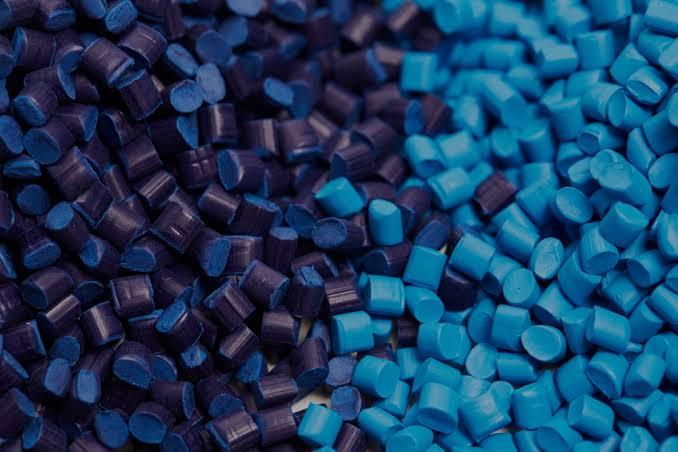
The global polypropylene market went through a very strong period during the second quarter of 2026. Prices increased sharply in many parts of the world as the conflict involving the USA, Israel, and Iran created serious uncertainty across energy and petrochemical supply chains. The situation around the Strait of Hormuz added further pressure because this route is important for the movement of crude oil and other raw materials.
Please Submit Your Query For Polypropylene Price Trend, Market Analysis and Forecast: https://www.price-watch.ai/book-a-demo/
Polypropylene is used in many everyday products, including food packaging, woven bags, household items, automotive parts, medical products, and industrial materials. Because of its wide use, manufacturers need a steady supply of polypropylene to keep their production running. When supply becomes uncertain, buyers often try to secure material earlier, which can add further pressure to the market.
The Polypropylene price trend during Q2 was mainly influenced by higher crude oil and naphtha costs. Both are important parts of the wider petrochemical chain. When their prices rise sharply, production costs for propylene and polypropylene can also increase. During April and May, supply concerns around the Strait of Hormuz pushed energy and feedstock costs higher, creating a strong cost-driven increase across major markets.
The impact was particularly noticeable in Europe. Germany, Belgium, and France recorded some of the largest increases, with market values rising close to or above 70% during the quarter. Asian, American, and Middle Eastern markets also experienced strong increases. This showed that the supply disruption was not limited to one particular region.
Higher freight and logistics expenses added to the problem. When shipping routes become more difficult or risky, transportation companies may charge more, while delivery times can become longer. Importers then have to include these additional expenses when calculating their replacement costs.
Buyers also became more cautious about future supply. When a company believes that material may become more expensive or harder to obtain, it may choose to purchase additional quantities earlier. This type of inventory building can create additional demand during an already tight market.
The market remained strongly bullish through most of April and May. However, by June, early signs of stabilization appeared. Geopolitical risk premiums began to ease, and some feedstock and freight pressures started becoming less severe. This encouraged buyers to take a more careful approach instead of aggressively building inventories.
India Polypropylene Market
India experienced one of the strongest increases among the markets covered during Q2 2026. Imported cargoes from Saudi Arabia into Nhava Sheva increased by around 45% to 48% across Impact Copolymer, Homo-polymer, and Raffia grades.
The main reason for the increase was the sharp rise in Saudi FOB Jeddah offers. Higher freight and logistics costs on Middle East routes also increased the delivered cost for Indian buyers.
Importers faced a difficult purchasing environment because they had to consider both higher supplier offers and increased transportation expenses. The uncertainty surrounding international shipping also encouraged some buyers to secure material before costs increased further.
Domestic grades in Ahmedabad and other parts of West India recorded a comparatively moderate increase of around 28% to 32%. The domestic market was supported by tighter availability of naphtha and propylene monomer.
Demand remained reasonably firm across several polypropylene-consuming industries. Packaging, woven sacks, consumer goods, automotive components, and other manufacturing activities continued to require regular supplies. Even when market values became expensive, manufacturers still needed material for ongoing production.
This helped maintain firm conditions across both imported and domestic segments.
The market showed a mixed movement in June. Import-linked cargoes corrected by around 9% as Saudi offers began to soften. However, domestic grades moved slightly higher by around 3% to 5% because demand remained firm.
The difference between imported and domestic material showed how changes in international offers and local supply conditions can affect the two segments differently.
China Polypropylene Market
China also recorded a strong increase during Q2 2026. Imported Homo-polymer and Raffia grade cargoes from Saudi Arabia into Shanghai increased by around 43%, while Impact Copolymer increased by around 40%.
Domestic Raffia grade values in Fujian rose by around 34%.
Higher Saudi FOB Jeddah offers were one of the major reasons for the increase in imported material. The conflict involving the USA, Israel, and Iran and the disruption around the Strait of Hormuz pushed energy and feedstock costs higher. These changes eventually affected export offers from Saudi suppliers.
Freight and logistics costs between the Middle East and China added another layer of pressure. Importers had to pay more to bring cargoes into the country, which increased the replacement cost of imported polypropylene.
Domestic Chinese producers also faced higher costs. Naphtha and propylene monomer values increased, putting pressure on production economics. When producers have to pay more for feedstock, they generally need stronger selling prices to protect their margins.
The market remained elevated through most of the quarter. Buyers continued to purchase material because polypropylene is required across many manufacturing and packaging applications.
However, the market began to calm down in June. Saudi offer prices started easing as geopolitical concerns reduced somewhat. Imported cargoes in China declined by around 7% during the month.
Domestic Raffia values in Fujian remained largely unchanged. This suggested that local supply and demand were more balanced compared with the imported segment.
Why Crude Oil and Naphtha Matter
Crude oil and naphtha have an important connection with the polypropylene supply chain. Changes in crude oil can affect the cost of producing several petrochemical feedstocks, while naphtha is an important feedstock for producing olefins in many regions.
During Q2, both markets came under pressure because of geopolitical uncertainty. The threat to shipping through the Strait of Hormuz created concerns about future availability and transportation.
For polypropylene producers, higher feedstock costs mean higher production expenses. Producers may therefore increase their offers to maintain margins.
The effect does not stop with producers. Distributors and converters also have to consider replacement costs. If the cost of replacing their inventory becomes higher, they may adjust their selling prices accordingly.
This is how a change in crude oil or naphtha can eventually reach the finished plastic products used by consumers and businesses.
Impact of the Strait of Hormuz
The Strait of Hormuz played a major role in the Q2 market story. The route is important for global energy trade, so concerns about its security can quickly affect crude oil, petrochemicals, freight, and insurance costs.
During the most difficult period of the quarter, companies became concerned about delays and higher transportation expenses. Some buyers tried to secure supplies earlier, while sellers were more careful about the quantities they offered.
This created a market where both sides were cautious. Buyers wanted to protect themselves from future shortages, while producers and traders wanted to account for higher replacement costs.
The resulting pressure was visible across markets from Asia to Europe and the Americas.
European Market Pressure
European markets experienced some of the largest increases during Q2. Germany, Belgium, and France recorded increases approaching or exceeding 70%.
Europe was particularly sensitive to higher energy and feedstock costs. The region relies on a combination of domestic production and imports, so disruptions in international supply chains can quickly influence local replacement values.
When energy and petrochemical costs rise together, European producers face higher manufacturing expenses. At the same time, importers may have to pay more for overseas material because of increased freight and supplier offers.
This combination created strong upward pressure during April and May.
The European market began showing signs of improvement toward June as geopolitical concerns eased and supply conditions became more manageable. Buyers also became more cautious after the earlier sharp increase.
Effect on Downstream Industries
Polypropylene is used in a wide range of industries, so a sharp change in its cost can affect many manufacturers.
Packaging is one of the major applications. Food containers, flexible packaging, woven sacks, and other packaging products use polypropylene because it is lightweight and versatile.
The automotive industry is another important consumer. Polypropylene is used for interior parts, exterior components, battery-related applications, and other vehicle products.
Healthcare and consumer goods also depend on polypropylene for various products. Because these industries need regular supplies, demand does not immediately disappear when prices rise.
Instead, buyers often adjust their purchasing behaviour. They may reduce inventory levels, purchase smaller quantities, or wait for better prices if they believe the market is likely to correct.
June Market Correction
June marked a change in market sentiment. Earlier in the quarter, buyers were worried about supply shortages and rapidly increasing costs. By June, the situation had become more stable.
Geopolitical risk premiums started easing, while some freight and feedstock costs declined. Saudi export offers also became less expensive.
This gave buyers more flexibility. Companies that had previously rushed to secure material could now wait and compare offers from different suppliers.
India and China both showed signs of this change, although their markets did not move in exactly the same way. India's imported material declined while domestic grades continued to rise moderately. In China, imported cargoes corrected while domestic Fujian values remained stable.
These differences highlight the importance of local supply, demand, inventories, and import exposure when assessing polypropylene markets.
Outlook for the Polypropylene Market
The Q2 2026 experience shows how quickly polypropylene markets can react to changes in energy, feedstock, logistics, and geopolitical conditions.
Going forward, crude oil and naphtha will remain important factors to watch. Any new disruption to energy supply could once again increase propylene production costs and put pressure on polypropylene producers.
Shipping conditions will also remain important. Lower freight costs and smoother logistics could reduce replacement pressure for importers, while new disruptions could have the opposite effect.
Demand from packaging, automotive, consumer products, healthcare, and industrial applications should continue to provide a basic level of support. However, buyers may remain cautious after experiencing such a sharp increase during Q2.
Producers will also need to balance operating rates with actual market demand. If supply improves while buyers reduce inventories, the market could face additional downward pressure.
Overall, Q2 2026 was an unusually strong quarter for the global polypropylene market. The combination of geopolitical uncertainty, higher crude oil and naphtha costs, restricted supply, and increased freight expenses pushed values sharply higher. India and China both recorded significant increases, while European markets experienced some of the strongest gains globally.
By June, the market had started moving toward a more balanced situation. Lower Saudi offers, improving logistics, and reduced geopolitical pressure created early signs of stabilization. The direction in the coming months will depend on how energy markets, feedstock availability, global shipping, and downstream demand develop.
Please Submit Your Query For Polypropylene Price Trend, Market Analysis and Forecast: https://www.price-watch.ai/book-a-demo/
About Price Watch™
Price Watch™ is an India-based, independent raw material price reporting agency that provides real-time price forecasts and data-driven insights into global raw material markets. Price Watch™ specializes in tracking raw material prices, analyzing market trends, and delivering timely updates on plant shutdowns, supply disruptions, capacity expansions, and demand-supply dynamics. The Price Watch™ platform empowers manufacturers, traders, and procurement professionals to make faster, smarter decisions. Leveraging AI-powered forecasting and over a decade of historical data, Price Watch™ transforms market volatility into actionable opportunity.
Futura Tech Park,
C Block, 8th floor 334,
Old Mahabalipuram Road,
Sholinganallur, Chennai, Tamil Nadu, Pincode - 600119.
𝐋𝐢𝐧𝐤𝐞𝐝𝐈𝐧: https://www.linkedin.com/company/price-watch-ai/
𝐅𝐚𝐜𝐞𝐛𝐨𝐨𝐤: https://www.facebook.com/people//61568490385598/
𝐓𝐰𝐢𝐭𝐭𝐞𝐫: https://x.com/pricewatchai
𝐖𝐞𝐛𝐬𝐢𝐭𝐞: https://www.price-watch.ai/