English
 Arabic
 French
 Spanish
 Portuguese
 Deutsch
 Turkish
 Dutch
Dutch
 Italiano
 Russian
 Romaian
 Portuguese (Brazil)
 Greek
Greek
How Innovation is Driving Breast Implants Market Growth Today
Health |
2026-07-14 10:42:35
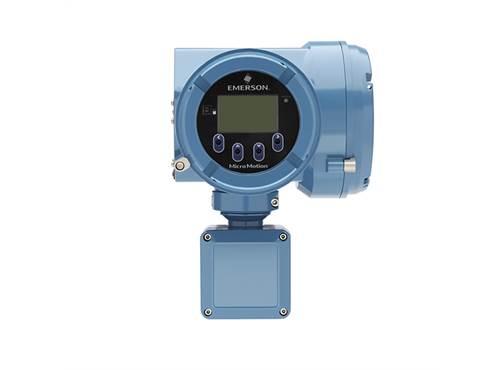
In industries where precision and safety are critical, accurate pressure measurement is essential. From oil refineries and chemical plants to water treatment facilities and food processing units, pressure monitoring ensures that systems run smoothly, efficiently, and safely. A minor fluctuation in pressure can cause equipment failures, product losses, or even hazardous conditions.
This is why pressure transmitters have become a cornerstone of industrial process control. Unlike simple gauges, transmitters provide continuous, real-time data that integrates with automation systems to help operators maintain optimal performance. At The Transmitter Shop (TTS), we specialize in supplying high-quality new, surplus, and refurbished pressure transmitters from trusted global brands.
This blog explores what pressure transmitters are, how they work, their types, benefits, applications, and why choosing the right supplier makes all the difference.
A pressure transmitter is an instrument designed to measure the pressure of liquids, gases, or steam and transmit this data as an electrical signal to a monitoring or control system. This information is critical for maintaining system stability and ensuring safe operations.
Unlike pressure gauges, which provide localized readings, transmitters enable remote monitoring and automation, making them vital for modern industries.
Pressure transmitters operate on a straightforward principle:
Sensing Element – Detects pressure changes using technologies like piezoelectric, capacitive, or strain gauge sensors.
Signal Conversion – Converts pressure into an analog or digital electrical signal.
Transmission – Sends the signal to control systems such as PLC (Programmable Logic Controllers), DCS (Distributed Control Systems), or SCADA (Supervisory Control and Data Acquisition) for monitoring and action.
This integration ensures real-time decision-making, early detection of problems, and improved process efficiency.
Gauge Pressure Transmitters
Measure pressure relative to atmospheric pressure.
Commonly used in pump monitoring and pipeline systems.
Absolute Pressure Transmitters
Measure pressure relative to a vacuum reference.
Useful in applications like vacuum systems and scientific research.
Differential Pressure (DP) Transmitters
Measure the pressure difference between two points.
Widely used for flow measurement, filter monitoring, and tank level measurement.
Pressure transmitters deliver highly accurate data, helping industries maintain consistent product quality and reliable operations.
By preventing overpressure conditions, transmitters safeguard equipment and protect workers from potential hazards.
Real-time pressure data improves decision-making, reduces downtime, and ensures better use of resources.
Designed for industrial environments, transmitters can withstand extreme pressure, high temperatures, and corrosive conditions.
At TTS, refurbished transmitters offer significant cost savings while maintaining high performance, making them a smart choice for budget-conscious industries.
Monitoring wellhead and pipeline pressures.
Ensuring safety in drilling and storage systems.
Regulating reactor pressures for safe chemical reactions.
Managing storage tank pressures to prevent leaks.
Controlling pump systems for steady water flow.
Monitoring filters and pipelines to ensure consistent treatment quality.
Ensuring sanitary and precise pressure in processes like carbonation and pasteurization.
Supporting compliance with hygiene standards.
Monitoring boilers, steam turbines, and cooling systems.
Preventing pressure fluctuations that could impact energy output.
Fluctuating Conditions – Pressure transmitters use advanced compensation technologies to ensure accuracy despite temperature or flow variations.
Corrosive Media – Special materials such as stainless steel or ceramic diaphragms extend transmitter life.
Harsh Environments – Rugged designs ensure reliability under vibration and extreme conditions.
Downtime Risks – With refurbished transmitters from TTS, industries can quickly replace failed equipment at a lower cost.
When choosing a pressure transmitter, consider:
Type of Pressure Measurement (gauge, absolute, or differential).
Operating Pressure Range – Must match your system’s needs.
Output Signal – Analog (4–20mA) or digital (HART, Profibus, etc.).
Process Conditions – High temperatures, corrosive fluids, or vibration.
Installation Environment – Indoor, outdoor, or hazardous areas.
Budget – Decide between new or refurbished models based on cost and lifecycle needs.
With decades of industry expertise, The Transmitter Shop has built a reputation for delivering reliable, affordable solutions for pressure measurement.
Extensive Inventory – Wide range of new, surplus, and refurbished transmitters.
Trusted Brands – Rosemount, Yokogawa, Honeywell, ABB, and more.
Refurbished & Tested Equipment – Every unit undergoes strict quality checks.
Cost Savings – Affordable pricing without compromising reliability.
Quick Turnaround – Fast delivery to minimize downtime.
Q1: What’s the difference between a pressure gauge and a pressure transmitter?
A gauge displays localized readings, while a transmitter converts pressure into an electrical signal for remote monitoring.
Q2: Are refurbished transmitters reliable?
Yes. At TTS, refurbished transmitters are thoroughly tested to meet performance and accuracy standards, making them as dependable as new models.
Q3: How often should transmitters be calibrated?
Calibration typically depends on usage, but annual calibration is common for most industrial processes.
Q4: Which industries benefit most from pressure transmitters?
Industries such as oil & gas, chemicals, food & beverage, power generation, and water treatment rely heavily on transmitters.
Q5: Can pressure transmitters handle extreme environments?
Yes. Industrial-grade transmitters are designed for high-pressure, high-temperature, and corrosive environments.
Pressure transmitters are essential for industries that demand accuracy, safety, and efficiency. They transform pressure measurements into actionable data, helping operators maintain smooth operations and prevent costly downtime.
At The Transmitter Shop, we offer both new and refurbished pressure transmitters to match diverse industrial requirements. By combining durability, accuracy, and cost-effectiveness, our solutions empower industries to achieve operational excellence.
Explore our wide selection of pressure transmitters today and experience reliable performance at competitive prices.