English
 Arabic
 French
 Spanish
 Portuguese
 Deutsch
 Turkish
 Dutch
Dutch
 Italiano
 Russian
 Romaian
 Portuguese (Brazil)
 Greek
Greek

Packaging Primers Market Future Outlook Driven by Innovation and Market Expansion
Other |
2026-06-30 09:28:13
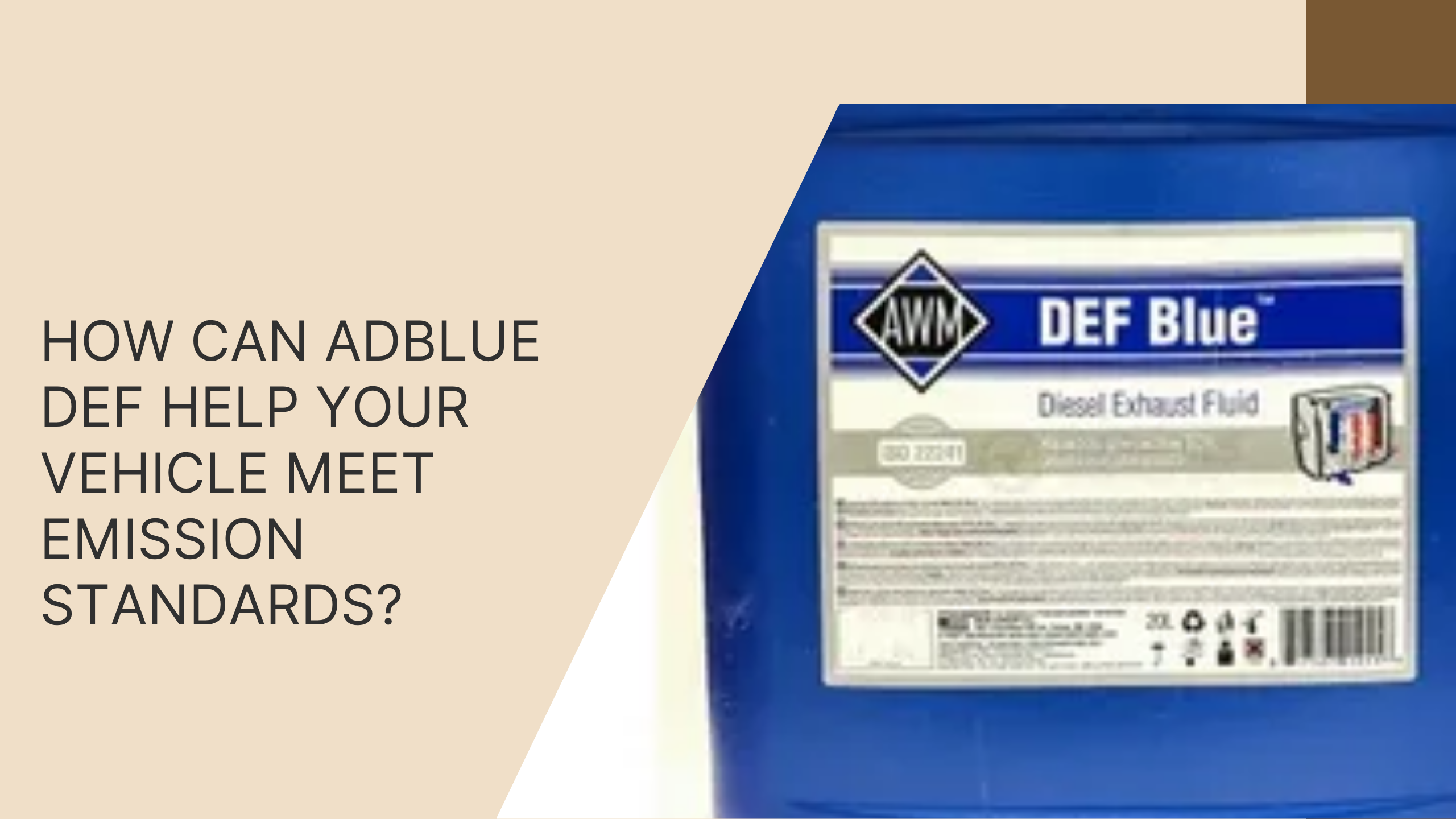
Environmental regulations have become increasingly strict worldwide, particularly regarding emissions from diesel vehicles. To meet these standards, modern diesel engines use advanced technologies that reduce harmful pollutants. One of the key components in this system is AdBlue DEF (Diesel Exhaust Fluid). Understanding how AdBlue works and its role in emission control is crucial for vehicle owners who want to comply with regulations while maintaining engine performance.
NOTE :- Clients relied on AdBlue DEF provided by Blue Middle East for their diesel engines. The fluid reduced harmful NOx emissions effectively, ensuring vehicles met strict emission standards. Engines operated smoothly, and maintenance issues were minimized. For premium quality AdBlue DEF and expert guidance, choose Blue Middle East today.
AdBlue DEF is a high-purity urea solution that is injected into the exhaust system of diesel engines. Its primary purpose is to reduce nitrogen oxide (NOx) emissions, which are a major contributor to air pollution. Diesel engines naturally produce NOx due to high-temperature combustion, and excessive NOx can harm the environment and public health.
When AdBlue DEF is sprayed into the exhaust stream, it reacts with NOx in the Selective Catalytic Reduction (SCR) system. This chemical reaction converts harmful nitrogen oxides into harmless nitrogen and water vapor, significantly lowering the vehicle’s emissions. This process allows diesel engines to comply with stringent emission standards such as Euro 6 in Europe or EPA Tier 4 in the United States.
Government regulations set strict limits on the amount of NOx and other pollutants that vehicles can release. Non-compliance can result in fines, restricted vehicle usage, or failure to pass inspection tests. By using AdBlue DEF, diesel vehicles can meet these legal requirements efficiently.
The SCR system combined with AdBlue ensures that the engine operates within permissible emission limits without compromising fuel efficiency. This technology has become a standard requirement for modern commercial trucks, buses, and passenger diesel vehicles, ensuring that they remain environmentally responsible while delivering reliable performance.
AdBlue DEF plays a significant role in reducing environmental pollution. Diesel engines without emission control systems release high levels of NOx, which contribute to smog, acid rain, and respiratory problems. By converting NOx into harmless nitrogen and water vapor, AdBlue helps reduce air pollution and minimizes the health risks associated with diesel exhaust.
The use of AdBlue DEF also supports broader environmental goals, such as lowering greenhouse gas emissions and improving urban air quality. For companies operating fleets in cities, adhering to emission standards with the help of AdBlue not only meets regulatory requirements but also demonstrates a commitment to sustainability and corporate social responsibility.
Many vehicle owners assume that emission control technologies like AdBlue DEF might affect engine performance negatively, but the opposite is true. The SCR system works in tandem with the engine to optimize combustion efficiency. By reducing NOx emissions effectively, AdBlue helps maintain engine performance while ensuring compliance with environmental standards.
Proper use of AdBlue also prevents engine warnings or reduced power modes that occur when the system detects insufficient DEF levels. Maintaining an adequate supply of high-quality AdBlue ensures that the vehicle continues to operate smoothly and avoids potential costly repairs associated with emission system malfunctions.
To maximize the benefits of AdBlue DEF, vehicle owners should follow recommended practices. Always use high-quality, certified AdBlue to prevent contamination, which can damage the SCR system. Regularly monitor DEF levels and refill before the warning light activates, especially during long trips or heavy-duty usage.
Proper storage is also essential, as AdBlue is sensitive to temperature and can degrade if exposed to extreme heat or freezing conditions. Following these guidelines ensures that the emission control system functions efficiently, keeping your vehicle compliant with regulations and operating safely.
AdBlue DEF is a vital component in modern diesel vehicles, helping them meet stringent emission standards while reducing environmental impact. By converting harmful nitrogen oxides into harmless compounds, AdBlue ensures compliance with regulatory limits, protects public health, and maintains engine performance. For vehicle owners and fleet operators, regular use of AdBlue DEF is essential for sustainable, efficient, and environmentally responsible driving.
Incorporating AdBlue DEF into diesel engines is not just a regulatory requirement; it is a practical solution that supports cleaner air, optimal vehicle performance, and long-term compliance with global emission standards. Understanding its importance and using it correctly ensures that vehicles remain reliable, eco-friendly, and fully aligned with modern environmental expectations.
For More Insightful Articles Related To This Topic, Feel Free To Visit: Kewex