English
 Arabic
 French
 Spanish
 Portuguese
 Deutsch
 Turkish
 Dutch
Dutch
 Italiano
 Russian
 Romaian
 Portuguese (Brazil)
 Greek
Greek
Software Company Registration in India: A Future-Ready Strategy for UK & European Tech Companies
Wellness |
2026-03-23 11:53:26
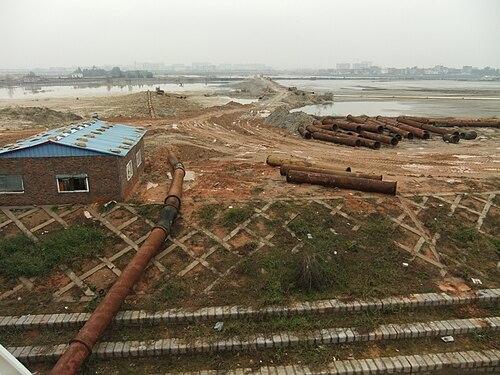
Cities are expanding faster than ever before. As populations grow, the demand for usable land intensifies. Governments and urban planners face mounting pressure to find new development space. One powerful solution gaining traction globally is land reclamation. This process transforms previously unusable land into productive areas for development. Understanding its benefits helps communities plan smarter and grow more sustainably.
Land reclamation refers to the process of converting degraded or submerged land into usable territory. It includes recovering land from bodies of water or rehabilitating land damaged by industrial activities. The goal is to make formerly inaccessible or contaminated areas suitable for development. This practice has deep roots in human history. Countries like the Netherlands have reclaimed land from the sea for centuries. Today, the techniques are more advanced and the applications more diverse.
Modern land reclamation involves sophisticated engineering and environmental management. It requires careful planning to ensure long-term stability and ecological balance. When done correctly, it creates valuable real estate without displacing existing communities. It also reduces pressure on already developed urban land.
One of the most direct benefits of land reclamation is increasing the supply of buildable land. Urban areas are often hemmed in by geography or existing development. Mountains, coastlines, and rivers can limit horizontal expansion. Land reclamation breaks these barriers.
Coastal cities benefit enormously from sea reclamation projects. New islands and extensions of existing shorelines create space for housing, commerce, and infrastructure. This expansion happens without encroaching on protected green spaces or displacing existing residents. The result is more room for a growing population without compromising the existing urban fabric.
Urban crowding strains roads, schools, hospitals, and utilities. New land created through reclamation can be designed from the ground up. Planners can incorporate modern infrastructure standards from the start. Roads are wider, utilities more efficient, and public spaces more thoughtfully designed. This reduces the burden on aging infrastructure in older parts of the city.
Planned reclaimed districts also allow for transit-oriented development. Proximity to ports, waterfronts, and transportation corridors makes these areas highly accessible. Residents and businesses in reclaimed zones enjoy planned connectivity that older neighborhoods often lack.
Land reclamation is a powerful economic catalyst. New land opens opportunities for commercial, industrial, and residential development. This generates tax revenue and attracts private investment. Economic zones built on reclaimed land have transformed cities like Dubai and Singapore into global business hubs.
Real estate on reclaimed land often commands premium prices. Waterfront developments are particularly attractive to investors and buyers. This appreciation in land value benefits city budgets directly. Higher property values translate into greater tax revenues. These funds can be reinvested in public services and infrastructure improvements.
Reclamation projects are labor-intensive. They create jobs in construction, engineering, and environmental management. Once development is complete, commercial and industrial zones generate permanent employment. Retail centers, office parks, and manufacturing facilities all contribute to the local job market.
Tourism also benefits from well-planned reclaimed waterfronts. Marinas, parks, and entertainment districts attract visitors and spending. This multiplier effect strengthens the broader urban economy. Communities that invest in land reclamation often see sustained economic growth across multiple sectors.
Not all land reclamation involves water. A significant portion focuses on rehabilitating brownfields. Brownfields are previously industrial sites contaminated by pollutants. They pose health risks and often sit idle for years. Reclaiming these sites removes hazardous materials and restores them to productive use.
This form of reclamation delivers clear environmental benefits. It reduces the footprint of contamination in urban areas. It also prevents the spread of pollutants into surrounding soil and groundwater. Cleaned and developed brownfields improve neighborhood health outcomes. They remove blight from communities and raise surrounding property values.
Some reclamation projects focus on restoring natural habitats. Wetlands, mangroves, and coastal ecosystems are sometimes reclaimed after degradation. This kind of ecological reclamation supports biodiversity. It provides natural flood protection and carbon sequestration services. Urban planners increasingly incorporate ecological reclamation into green infrastructure strategies.
Creating green corridors on reclaimed land also improves air quality. Urban heat islands are mitigated by introducing vegetation into previously hard landscapes. Residents enjoy improved quality of life through access to parks and natural spaces. Ecological restoration adds long-term value that goes beyond economic measures.
Affordable housing is one of the greatest challenges facing modern cities. Land scarcity drives up prices and pushes lower-income residents further from city centers. Reclaimed land offers an alternative. New residential districts on reclaimed territory help increase housing supply.
Increased supply puts downward pressure on prices over time. Mixed-income developments on reclaimed land can provide affordable housing options. They reduce socioeconomic segregation and promote more equitable urban growth. Governments that pair reclamation with affordable housing policies create lasting social value.
Coastal cities rely heavily on ports for trade and commerce. Ports require constant expansion to handle growing cargo volumes. Land reclamation allows ports to grow without demolishing existing city infrastructure. New terminals, storage facilities, and logistics centers are built on reclaimed land adjacent to existing port areas.
This expansion improves trade efficiency and competitiveness. Larger port facilities can accommodate bigger vessels and higher cargo throughput. The economic benefits of expanded port capacity ripple through the entire regional economy. Manufacturing, retail, and distribution sectors all benefit from improved port infrastructure.
Paradoxically, well-designed land reclamation can improve flood resilience. Reclaimed land is typically elevated above flood risk zones. It is designed with modern drainage systems and seawalls. These features protect both the reclaimed area and adjacent existing land.
Strategic placement of reclaimed land can buffer existing coastlines from storm surges. Breakwaters and protective embankments built during reclamation projects shield inland areas. This dual-purpose approach delivers both new development space and enhanced climate resilience. Cities facing rising sea levels are increasingly exploring this strategy.
Land reclamation is not without challenges. Environmental concerns must be taken seriously. Reclamation can disrupt marine ecosystems and alter sediment flows. Poorly planned projects can cause long-term ecological damage. Responsible reclamation requires comprehensive environmental impact assessments.
Community consultation is equally important. Local residents and businesses must have input in planning decisions. Transparent governance builds public trust and leads to better outcomes. When reclamation is conducted responsibly, the benefits far outweigh the risks.
The greatest value of land reclamation emerges when it is integrated into long-term urban planning. Ad hoc projects rarely deliver optimal outcomes. Strategic reclamation, guided by comprehensive urban master plans, creates coherent city extensions. These extensions are connected to existing urban systems and aligned with growth projections.
Smart cities are incorporating reclamation into their future planning frameworks. Digital modeling tools allow planners to simulate outcomes before breaking ground. This reduces risk and improves decision-making. The cities that master this integration will be better equipped to serve growing populations sustainably.
Land reclamation offers a compelling set of benefits for growing cities. It expands urban land supply without displacing communities. It stimulates economic growth and creates jobs. It rehabilitates contaminated sites and restores ecological balance. It helps solve housing shortages and supports critical infrastructure expansion. When executed with care and foresight, land reclamation is one of the most powerful tools available to urban planners. Cities that embrace this strategy position themselves for a more prosperous and sustainable future.