English
 Arabic
 French
 Spanish
 Portuguese
 Deutsch
 Turkish
 Dutch
Dutch
 Italiano
 Russian
 Romaian
 Portuguese (Brazil)
 Greek
Greek
Pet Food Ingredients Market Size, Share, Trends, Key Drivers, Demand and Opportunity Analysis
Other |
2026-06-01 10:03:16
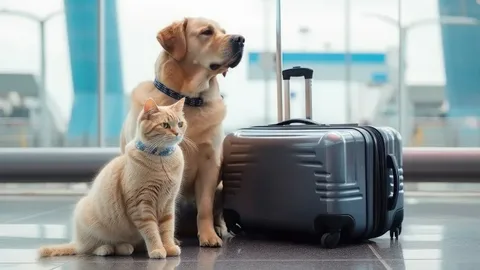
International travel with pets is a complex undertaking. It requires meticulous planning, proper documentation, and a deep understanding of regulations. Every country has unique entry requirements for animals. Failing to meet even one requirement can result in refused entry. This guide breaks down everything you need to know for safe international pet travel.
No two countries share identical pet import regulations. Requirements vary dramatically based on the destination country's disease-control policies. Some nations impose strict quarantine periods upon arrival. Others require specific vaccinations, microchipping, and health certificates. Researching your destination's exact requirements is the very first step.
Government agriculture or border control websites are the most reliable sources. Avoid relying solely on travel blogs or social media for regulatory information. Rules change frequently and can vary based on your origin country. Always verify directly with the destination country's official authorities. Contact your country's embassy in the destination country for added clarity.
Many pet owners overlook their own country's export requirements. Your home country may require an export health certificate too. This document confirms your pet is healthy and cleared for international travel. It must usually be issued by an accredited or government veterinarian. Some countries require an additional government endorsement on this certificate.
Export certificates typically have a short validity window. Most must be issued within seven to ten days before travel. Timing your vet appointment carefully around your departure date is essential. Late scheduling can result in an expired certificate at the airport. Always build several days of buffer into your travel timeline.
Nearly all countries now require microchipping for international pet entry. The microchip must comply with the ISO 11784/11785 standard globally. This 15-digit chip is universally readable by international scanners. Non-compliant chips may not be detected at international checkpoints. Verify your pet's chip type with your veterinarian before international travel.
The microchip must be implanted before any required vaccinations are administered. If vaccinations precede microchipping, they may not be recognized officially. This sequencing rule is strictly enforced by many importing countries. Confirm the correct order of procedures with your vet well in advance. Documentation must reflect the correct sequence of procedures clearly.
Your microchip registration must contain your current contact information. Outdated registration details can complicate reunification if your pet is lost. Update your contact information immediately after any address or phone change. Register the microchip with multiple databases for broader coverage. Some international databases allow cross-border searches for lost animals.
Consider registering with a global pet recovery network. These organizations operate across borders and coordinate recovery efforts internationally. Carrying your pet's microchip number in your wallet is wise. Including it on the carrier label ensures it's accessible if needed. Redundancy in identification documentation is always the safest approach.
Rabies vaccination is the cornerstone of international pet travel documentation. Most countries require proof of current rabies vaccination for entry. Some nations go further and require a rabies antibody titer test. This blood test confirms your pet has adequate immune protection. The test must be performed at an approved laboratory.
Titer test results take time to process and return. Some approved labs take two to six weeks to deliver results. Countries often require a waiting period after a satisfactory titer test result. This waiting period can range from 90 days to six months. Planning at least six months ahead is essential for titer-testing destinations.
Not all laboratories are authorized to conduct internationally recognized titer tests. Only government-approved labs produce results accepted by importing countries. Your veterinarian should be able to direct you to an approved facility. The Kansas State University Rabies Laboratory is one well-known option. Several European laboratories also hold international accreditation for this testing.
Keep the original titer test results in your travel documentation folder. Copies may not be accepted at international checkpoints. Some countries require the titer test documentation to be notarized. Confirm document authentication requirements well before your departure date. Missing or improperly formatted documents cause serious border entry complications.
Air travel is typically the only viable option for international pet transport. Most international destinations are inaccessible by road or sea with pets. Airlines offer two primary options: cabin travel and cargo transport. The right choice depends on your pet's size, breed, and temperament.
Small pets under a specified weight may travel in the cabin. Larger animals must travel in temperature-controlled, pressurized cargo holds. Both options are generally safe when handled by reputable carriers. Cargo travel involves more variables and requires careful advance planning. Direct flights significantly reduce handling time and transit stress.
Not all airlines treat pet transport with equal seriousness. Research each airline's pet policy before making a booking. Look for airlines with dedicated animal handling protocols and trained staff. Some airlines have banned certain brachycephalic breeds from cargo travel. These breeds include bulldogs, pugs, Persian cats, and similar flat-faced animals.
Book your pet's space on the flight at the same time as your own. Pet spaces in the cabin fill up quickly, especially on popular routes. Confirm the booking in writing and save all confirmation documents. Double-check your booking approximately 48 hours before departure. Last-minute issues are much harder to resolve than early-stage problems.
International travel doesn't end at the airport gate. Getting from the airport to your final destination is equally important. Navigating an unfamiliar city with a pet adds significant logistical challenges. Pre-arranging ground transport before your arrival saves considerable time and stress.
In many cities, professional animal transport services offer airport transfer options. Booking pet taxi services in your destination city before you arrive is highly recommended. These services are familiar with airport pick-up logistics for travelers with animals. They provide safe, comfortable vehicles designed specifically for animal transport. Knowing your ground transport is arranged lets you focus on your pet's comfort.
International arrivals with pets undergo customs and border inspection. Be prepared to present all documentation to border officials promptly. Keep your documents organized and easily accessible throughout the journey. Officials may physically inspect your pet and scan their microchip. Cooperative, calm behavior during inspection speeds up the process significantly.
Some countries conduct mandatory veterinary inspections upon arrival. This is typically a brief health review by a border veterinarian. Your pet should appear healthy, alert, and in good condition. Any visible signs of illness may trigger additional scrutiny or hold. Ensuring your pet is well-rested and comfortable before arrival helps greatly.
Some countries impose mandatory quarantine periods for arriving animals. Quarantine facilities vary significantly in quality and conditions. Research the specific quarantine facility your pet may be housed in. Some countries allow home quarantine under strict monitoring conditions. Others require government-approved facility stays of varying durations.
Countries with strict biosecurity policies include Australia, New Zealand, Hawaii, and the United Kingdom. Each has its own specific quarantine rules and documentation requirements. Failure to complete required procedures in the correct order extends quarantine. Understanding the exact sequence of required procedures prevents costly delays. Consult a professional pet relocation specialist for quarantine-heavy destinations.
Quarantine is stressful for both pets and their owners. Prepare comfort items to leave with your pet during their stay. Familiar-smelling bedding, toys, and treats provide emotional support. Ask the facility about their visitation policies and communication updates. Reputable facilities provide regular updates on your pet's condition.
Some facilities allow daily or weekly visits from the pet's owner. Regular contact helps maintain your pet's emotional wellbeing during separation. Ask about enrichment activities available to quarantined animals. Physical and mental stimulation prevents depression and behavioral deterioration. Choosing a high-quality quarantine facility is worth every additional cost.
International travel exposes pets to new environments and pathogens. Scheduling a post-arrival veterinary check is always a responsible choice. A local vet can assess your pet's condition after the journey. They can identify any health concerns that developed during transit. Establishing a relationship with a local vet is smart for longer stays.
Monitor your pet's eating, drinking, and elimination patterns closely. Any significant changes warrant prompt veterinary attention. Travel-related stress can temporarily suppress appetite and immune function. Providing a quiet, safe recovery space accelerates the adjustment process. Extra hydration support during the first few post-arrival days is beneficial.
Frequent international travelers with pets benefit from building a global vet network. Identifying trusted veterinarians in each destination you visit regularly makes sense. Keep digital copies of your pet's complete health history accessible at all times. Cloud storage allows access from anywhere in the world with internet connectivity.
Building relationships with professional pet relocation companies offers long-term value. These specialists handle documentation, logistics, and border compliance on your behalf. Their expertise reduces the risk of costly documentation errors. For complex international moves, professional assistance is absolutely worth the investment. Your pet's safety and comfort are always worth prioritizing above all else.