English
 Arabic
 French
 Spanish
 Portuguese
 Deutsch
 Turkish
 Dutch
Dutch
 Italiano
 Russian
 Romaian
 Portuguese (Brazil)
 Greek
Greek
Electric Vehicle Oil Pumps Market Forecast 2025-2035
Dance |
2026-08-31 13:29:10
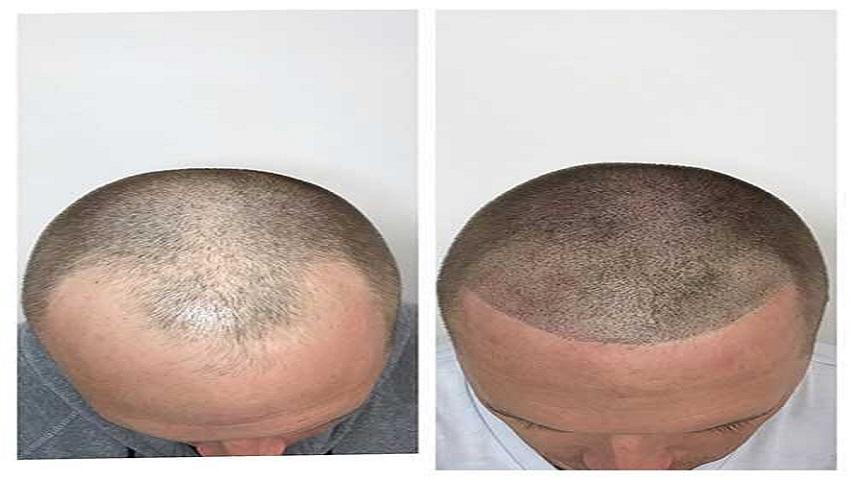
Hair thinning is one of the most common concerns people face today, but many don’t realize that one of the biggest reasons behind it can be as simple as a lack of protein in the daily diet. Since hair is primarily made of a protein called keratin, insufficient protein intake can directly affect the strength, thickness, and growth cycle of your hair. Understanding this connection can help you take the right steps before the problem becomes severe.
The Role of Protein in Hair Health
Hair strands are composed mainly of keratin, a structural protein that gives hair its strength and elasticity. For the body to produce keratin efficiently, it requires a steady supply of amino acids, which come from the protein we consume. When your diet lacks adequate protein, the body prioritizes essential functions such as muscle repair and organ support, leaving hair growth as a lower priority.
As a result, the hair growth cycle gets disrupted. Instead of remaining in the active growth phase, more hair follicles enter the resting phase, leading to increased shedding and visible thinning.
How Protein Deficiency Leads to Hair Thinning
When protein intake is insufficient, several changes occur in the hair growth process:
In many cases, this condition resembles telogen effluvium, a temporary hair loss phase triggered by nutritional deficiencies, stress, or illness.
Common Signs of Protein-Related Hair Thinning
Protein deficiency doesn’t only affect the hair. It also shows up in other parts of the body. Some common warning signs include:
If these symptoms appear along with dietary imbalances, protein deficiency could be a major contributing factor.
Who Is Most at Risk
Certain groups are more likely to experience hair thinning due to low protein intake:
Without proper dietary balance, hair health can decline faster than expected.
The Importance of Timely Action
Ignoring protein deficiency can lead to long-term hair thinning and even noticeable scalp visibility. The longer the deficiency continues, the more time the hair follicles need to recover. Early action can prevent excessive hair loss and help restore normal growth cycles.
Taking action now can:
How to Improve Protein Intake for Healthier Hair
Making simple dietary changes can significantly improve hair health. Some protein-rich foods to include in your daily routine are:
A balanced diet with sufficient protein helps maintain not just hair health but overall body strength and immunity.
When Professional Guidance Is Needed
If hair thinning continues despite dietary improvements, it may indicate deeper nutritional deficiencies or underlying scalp conditions. In such cases, a professional trichology consultation can help identify the exact cause and recommend targeted treatments, supplements, or therapies.
Final Thoughts
Protein is the building block of healthy, strong hair. When your body doesn’t get enough of it, hair growth slows down, strands weaken, and thinning becomes noticeable. The good news is that this type of hair loss is often reversible with timely nutritional corrections and proper care.
Protein and Hair Thinning: Why It Matters and Why You Should Take Action Today
Why Hair Fall at an Early Age Is Serious and Deserves Immediate Attention