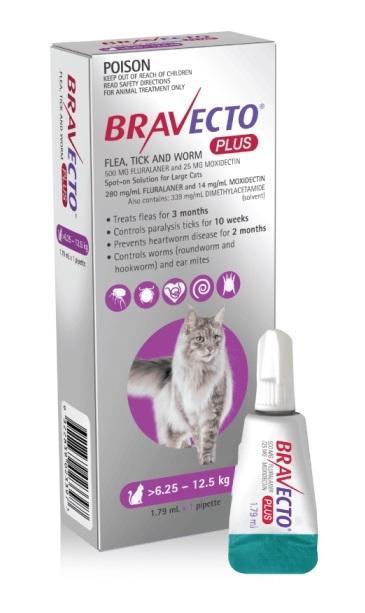
In the United States, flea and tick control remains a central concern for cat owners, particularly in regions where warm temperatures and seasonal humidity support parasite activity throughout much of the year. Among the many preventive options available, long-acting oral and systemic treatments for cats have gained attention for their extended duration of effectiveness and simplified dosing schedules. Bravecto for cats treatments are often discussed in relation to multi-week parasite protection strategies that reduce the need for frequent applications.
The concept commonly searched as a specific long-acting flea and tick solution for cats reflects a broader category of veterinary parasiticides designed to provide sustained protection. While different products exist within this category, the shared focus is on extended efficacy, ease of administration, and reliable parasite control.
Understanding Long-Acting Parasite Control in Cats
Long-acting flea and tick treatments for cats typically belong to a chemical class known as isoxazolines. These compounds are designed to target the nervous systems of parasites such as fleas and ticks while maintaining a safety margin for mammals when used appropriately. After administration, the active compound is absorbed into the bloodstream and distributed throughout the body, allowing systemic protection rather than localized surface action.
When fleas or ticks attach and feed on the cat, they ingest the active compound through the blood meal. The compound then disrupts neurological signaling in the parasite, ultimately leading to paralysis and death. This method of action allows for continuous protection over an extended period, often lasting several weeks from a single dose.
One of the defining features of these treatments is their long duration of efficacy. Some formulations are designed to provide protection for up to 12 weeks, making them significantly longer-lasting than monthly topical or oral alternatives.
Growing Demand for Extended Protection in the United States
The increasing interest in long-acting flea and tick treatments for cats in the United States is closely tied to evolving pet care habits. Many cat owners prefer solutions that reduce the frequency of dosing, especially in households with multiple pets or busy routines. The convenience of fewer administrations throughout the year is a key factor influencing product selection.
Environmental conditions also play an important role. Flea populations can thrive indoors due to stable temperatures, while ticks are commonly found in wooded, grassy, and suburban areas. Even indoor cats are not completely protected from exposure, as parasites can enter homes through other pets or humans.
Additionally, awareness of parasite-borne diseases has increased among pet owners. Fleas can transmit tapeworms and cause allergic dermatitis, while ticks may carry pathogens that affect both animals and humans. This has led to greater emphasis on preventive care rather than reactive treatment.
Mechanism of Action and Effectiveness
Isoxazoline-based treatments used in cats work by interfering with ligand-gated chloride channels in the nervous system of insects and arachnids. Specifically, they target gamma-aminobutyric acid (GABA) and glutamate-gated receptors. This disruption causes uncontrolled neuronal activity in the parasite, leading to rapid paralysis and death.
The systemic distribution of the active ingredient ensures that fleas and ticks are exposed as soon as they begin feeding. Unlike topical treatments that rely on surface contact, oral or systemic treatments circulate internally, providing consistent protection regardless of grooming habits, bathing, or environmental exposure.
The extended half-life of these compounds is what enables multi-week or multi-month effectiveness. Once metabolized, the active ingredient remains in circulation long enough to maintain lethal concentrations against parasites over time.
Common Use Cases for Cat Owners
Long-acting flea and tick treatments are often chosen by cat owners who prioritize convenience and consistent protection. One common scenario involves households with multiple pets, where synchronized parasite control is necessary to prevent cross-infestation. A long-duration product reduces the complexity of managing different dosing schedules.
Another use case involves cats that resist topical applications. Some cats are sensitive to spot-on treatments or difficult to handle during application. In such cases, oral or systemic alternatives are considered more practical.
Outdoor-access cats also represent a key group benefiting from extended parasite protection. Cats that roam in gardens, wooded areas, or rural environments face higher exposure risks to ticks and fleas. A longer-lasting treatment provides a more continuous safeguard during these periods of increased activity.
Safety Considerations and Veterinary Oversight
As with all systemic parasite control products, veterinary guidance is considered important before selecting a long-acting flea and tick treatment for cats. Factors such as age, weight, overall health, and medical history are typically evaluated to ensure suitability.
Most cats tolerate isoxazoline-class treatments well when administered at the correct dosage. However, mild side effects such as temporary digestive upset, reduced appetite, or lethargy may occur in some cases. Rare neurological reactions have also been reported, which is why monitoring and professional guidance are recommended.
Correct dosing is essential for safety and effectiveness. Since these treatments are weight-based, underdosing may reduce efficacy, while overdosing may increase the risk of adverse reactions. Veterinary consultation helps ensure the appropriate formulation and schedule are selected.
Role in Year-Round Parasite Prevention
In many regions of the United States, veterinary professionals recommend year-round flea and tick prevention for cats. This recommendation is based on the ability of parasites to survive indoors, as well as seasonal variations that do not fully eliminate exposure risk.
Long-acting treatments fit into broader parasite prevention strategies that may also include environmental control, regular grooming, and monitoring for signs of infestation. This integrated approach helps reduce both immediate discomfort and long-term health risks associated with parasites.
Fleas in particular can reproduce rapidly in indoor environments, making early and consistent prevention critical. A single flea infestation can quickly escalate if not managed effectively, which is why sustained protection is often emphasized in veterinary care guidelines.
Conclusion
Long-acting flea and tick treatments for cats in the United States represent a growing area of interest in modern pet care. Their extended duration, systemic action, and simplified dosing schedules make them a practical option for many cat owners seeking reliable parasite prevention. While various formulations exist within this category, the underlying focus remains consistent: providing sustained protection against fleas and ticks while supporting long-term feline health. As awareness of parasite risks continues to grow, these treatments are likely to remain an important part of preventative care strategies for cats.
 English
 Arabic
 French
 Spanish
 Portuguese
 Deutsch
 Turkish
 Dutch
Dutch
 Italiano
 Russian
 Romaian
 Portuguese (Brazil)
 Greek
Greek