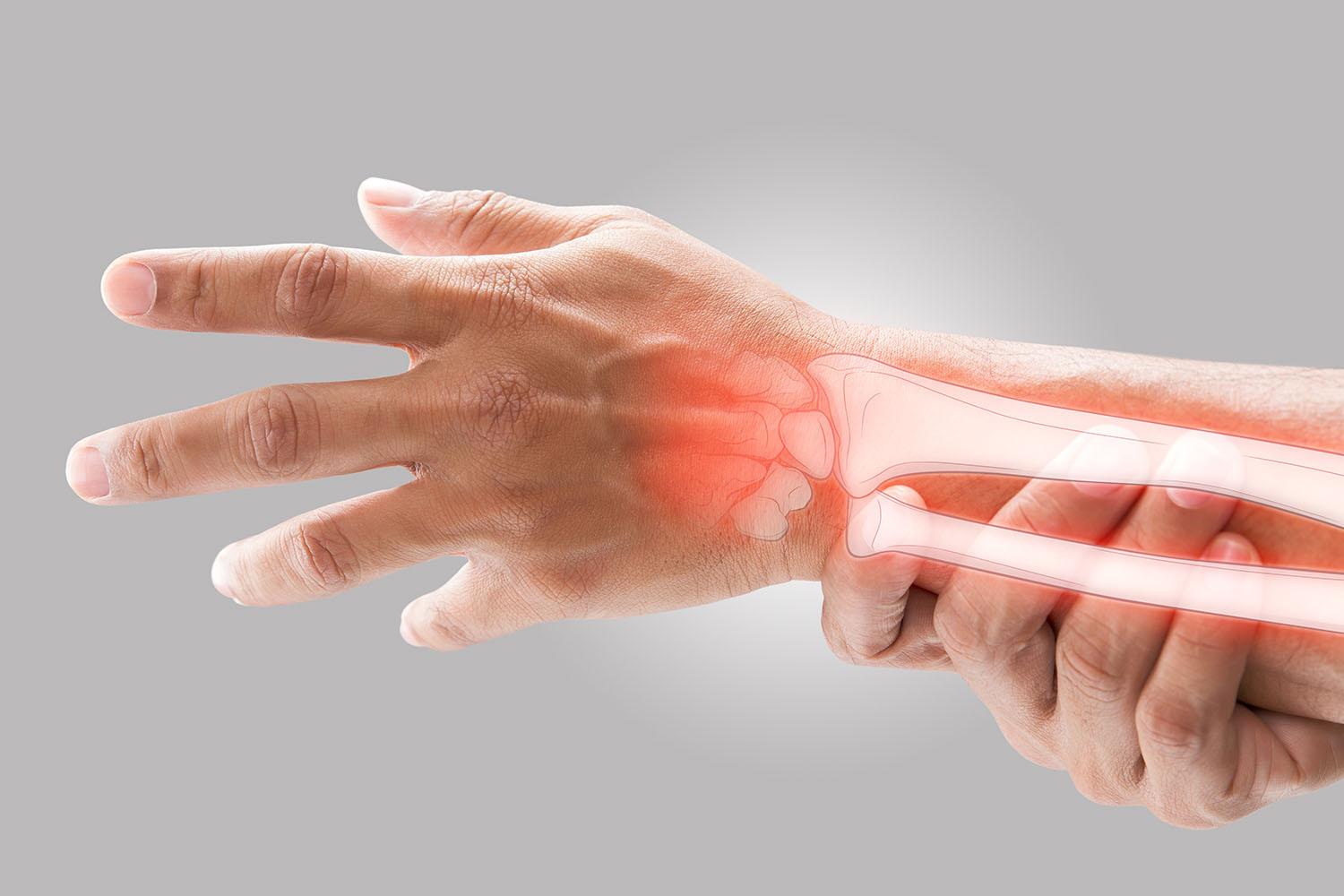
Our hands help us perform almost every daily activity, from writing and typing to cooking, lifting, and driving. Because the hands are used so often, injuries to the bones can affect work, sports, and normal routines in a major way.
A hand fracture can happen after a fall, sports injury, road accident, or direct impact. Even a small fracture in the hand may cause pain, swelling, stiffness, and difficulty moving the fingers properly. Understanding the symptoms, treatment methods, and recovery process can help patients heal safely and return to normal activities with confidence.
Understanding a Hand Fracture
A hand fracture means there is a break or crack in one or more bones of the hand. The hand contains many small bones that work together for movement and grip strength. When one of these bones breaks, it can affect how the entire hand functions.
Fractures may range from very small cracks to severe injuries where the bones move out of position. Some fractures heal easily with rest and support, while others may require surgery.
The hand has three main groups of bones:
- Finger bones called phalanges
- Long bones in the palm called metacarpals
- Small wrist bones connected to the hand
A fracture can happen in any of these areas.
Common Causes of Hand Fracture
Many situations can lead to a broken hand. Some fractures happen suddenly because of trauma, while others develop from repeated stress over time.
Falls
Falling on an outstretched hand is one of the most common causes of injury. The impact places pressure on the bones and may cause them to crack or break.
Sports Injuries
Sports such as football, basketball, boxing, cricket, and martial arts can lead to direct hits on the hand. Athletes often experience fractures during contact or falls.
Road Accidents
Car, motorcycle, or bicycle accidents can cause severe hand injuries because people naturally use their hands to protect themselves during impact.
Workplace Injuries
Heavy machinery, construction tools, and industrial accidents may crush or injure the hand bones.
Direct Blows
Punching a hard surface or being struck by an object can break the metacarpal bones. This type of injury is sometimes called a boxer’s fracture.
Repetitive Stress
Repeated pressure on the hand over time may create tiny stress fractures, especially in athletes or people performing repetitive tasks.
Symptoms of a Hand Fracture
The symptoms can vary depending on the location and severity of the fracture. Some people may still move their fingers, while others experience severe pain immediately.
Common symptoms include:
- Sudden pain in the hand
- Swelling around the injured area
- Bruising or discoloration
- Difficulty moving fingers
- Weak grip strength
- Tenderness when touching the hand
- Visible deformity or crooked fingers
- Numbness or tingling
- Stiffness in the joints
In severe injuries, the bone may break through the skin. This is called an open fracture and requires urgent medical care.
Types of Hand Fractures
Different fracture patterns require different treatments. Doctors classify fractures based on how the bone breaks.
Stable Fracture
The broken bone remains in proper alignment. These fractures often heal well with a splint or cast.
Displaced Fracture
The bone pieces move out of position. This type may require realignment or surgery.
Open Fracture
The bone breaks through the skin. Open fractures carry a higher risk of infection.
Comminuted Fracture
The bone breaks into several pieces. These injuries are usually more serious.
Spiral Fracture
A twisting force causes the bone to break in a spiral shape.
Stress Fracture
Tiny cracks develop due to repeated pressure and overuse.
Diagnosing a Hand Fracture
A doctor begins by examining the hand and discussing how the injury happened. The examination may include checking swelling, finger movement, grip strength, and tenderness.
Imaging tests are usually needed to confirm the fracture.
X-Rays
X-rays are the most common method for identifying broken bones and checking alignment.
CT Scan
A CT scan provides detailed images when the fracture is complex or difficult to see clearly.
MRI
MRI scans may help detect stress fractures or soft tissue injuries around the hand.
Early diagnosis is important because untreated fractures may heal incorrectly and cause long-term problems.
First Aid After a Hand Injury
Taking the right steps immediately after injury can reduce pain and prevent further damage.
Stop Using the Hand
Avoid lifting, gripping, or moving the injured hand unnecessarily.
Apply Ice
Ice helps reduce swelling and pain. Wrap ice in a cloth and apply it for about 15 to 20 minutes at a time.
Elevate the Hand
Keeping the hand raised above heart level can help decrease swelling.
Use a Splint
A temporary splint may help keep the hand stable until medical care is available.
Seek Medical Attention
Persistent pain, swelling, or difficulty moving the fingers should never be ignored.
Treatment Options for Hand Fracture
Treatment depends on the severity, location, and type of fracture. The main goal is to restore normal function and alignment.
Non-Surgical Treatment
Many fractures heal without surgery.
Splints and Casts
Doctors often use splints or casts to keep the bones in the correct position while healing occurs.
Buddy Taping
Sometimes an injured finger is taped to a nearby finger for support.
Pain Management
Pain relief medications may help reduce discomfort during recovery.
Activity Restriction
Patients are usually advised to avoid heavy lifting or sports until healing is complete.
Surgical Treatment
Surgery may be necessary if the bones are severely displaced or unstable.
Pins and Wires
Metal pins may hold the bones together during healing.
Plates and Screws
Small metal plates and screws can stabilize complex fractures.
External Fixation
In severe injuries, a device outside the hand may help maintain alignment.
Surgery aims to restore proper bone position and improve hand function.
Recovery Timeline for Hand Fracture
Healing time varies from person to person. Factors such as age, overall health, and fracture severity affect recovery speed.
First Few Days
Pain and swelling are usually strongest during the first week.
Two to Six Weeks
The bone gradually begins to heal. Splints or casts are often worn during this stage.
Six to Twelve Weeks
Many patients regain better movement and strength. Some may begin light activities.
Several Months
Complete recovery can take months, especially after surgery or severe fractures.
Even after the bone heals, stiffness may continue for some time.
Importance of Physical Therapy
Hand therapy and rehabilitation are very important after a fracture. Without movement exercises, stiffness and weakness may continue.
A therapist may guide patients through:
- Finger stretching exercises
- Grip strengthening exercises
- Wrist mobility training
- Swelling reduction techniques
- Coordination exercises
Therapy helps improve flexibility, movement, and strength safely.
Complications of Hand Fracture
Some fractures heal well without problems, but complications can occur if treatment is delayed or healing is poor.
Stiffness
Joint stiffness is common after immobilization.
Weak Grip Strength
The hand may feel weaker after healing.
Nerve Damage
Severe injuries can affect nearby nerves and cause numbness.
Infection
Open fractures and surgical wounds may become infected.
Malunion
Bones may heal in the wrong position.
Arthritis
Joint fractures can increase the risk of arthritis later in life.
Following medical advice carefully can help lower these risks.
Tips for Faster Recovery
Patients can support the healing process through healthy habits and proper care.
Follow Medical Instructions
Do not remove splints or casts too early.
Avoid Smoking
Smoking can slow bone healing.
Eat Nutritious Foods
Calcium, protein, and vitamin D support bone recovery.
Stay Active Safely
Move unaffected fingers and joints if recommended by the doctor.
Attend Follow-Up Visits
Regular checkups help monitor healing progress.
Returning to Daily Activities
Many people want to know when they can return to work, sports, or exercise.
Office Work
Light desk work may resume sooner if the injury is minor.
Driving
Driving should wait until grip strength and hand control improve.
Sports
Athletes may need several weeks or months before returning safely.
Heavy Labor
Jobs involving lifting or machinery may require longer recovery periods.
Returning too early may increase the risk of reinjury.
Preventing Hand Fractures
Not every injury can be prevented, but certain habits may lower the risk.
Wear Protective Gear
Sports gloves and safety equipment help protect the hands.
Improve Bone Health
Healthy bones are less likely to break.
Use Proper Techniques
Correct sports and lifting techniques reduce injury risk.
Keep Workspaces Safe
Preventing slips and falls can help avoid accidents.
Strength Training
Exercises that improve grip and wrist strength may provide better support.
When to See a Doctor
Medical attention is important if symptoms do not improve or become worse.
Seek care if you experience:
- Severe swelling
- Intense pain
- Difficulty moving fingers
- Deformed appearance
- Numbness
- Open wounds
- Fever after injury or surgery
Early treatment can improve healing outcomes and reduce long-term problems.
Emotional Impact of Hand Injuries
A hand injury may affect more than physical health. Many people feel frustrated when daily tasks become difficult.
Simple activities like buttoning clothes, cooking, typing, or writing may suddenly require help. Recovery sometimes feels slow, especially when stiffness remains.
Support from healthcare professionals, family, and rehabilitation specialists can make recovery easier emotionally and physically.
Long-Term Outlook After Hand Fracture
Most people recover successfully after proper treatment and rehabilitation. Minor fractures often heal completely with little lasting effect.
More severe injuries may take longer and sometimes leave mild stiffness or weakness. However, modern orthopedic care and rehabilitation techniques continue to improve recovery outcomes.
Patience is important during the healing process. Returning to normal activities gradually helps protect the hand while strength and flexibility improve.
Conclusion
A hand fracture can interrupt daily life, work, sports, and personal activities, but proper treatment and recovery care can help restore normal function. Understanding the symptoms, causes, treatment options, and rehabilitation process allows patients to make informed decisions about their care.
Early diagnosis, careful treatment, and consistent therapy all play an important role in healing. Whether the injury is mild or severe, following medical guidance helps improve recovery and reduce complications.
For professional orthopedic evaluation and advanced treatment guidance, patients can consult experts such as Dr Marouane Bouloudhnine for specialized care and recovery support.
 English
 Arabic
 French
 Spanish
 Portuguese
 Deutsch
 Turkish
 Dutch
Dutch
 Italiano
 Russian
 Romaian
 Portuguese (Brazil)
 Greek
Greek