English
 Arabic
 French
 Spanish
 Portuguese
 Deutsch
 Turkish
 Dutch
Dutch
 Italiano
 Russian
 Romaian
 Portuguese (Brazil)
 Greek
Greek
Zorotvx Explained: Features, Risks, and Better Alternatives for Anime Lovers
Other |
2026-04-20 11:47:54
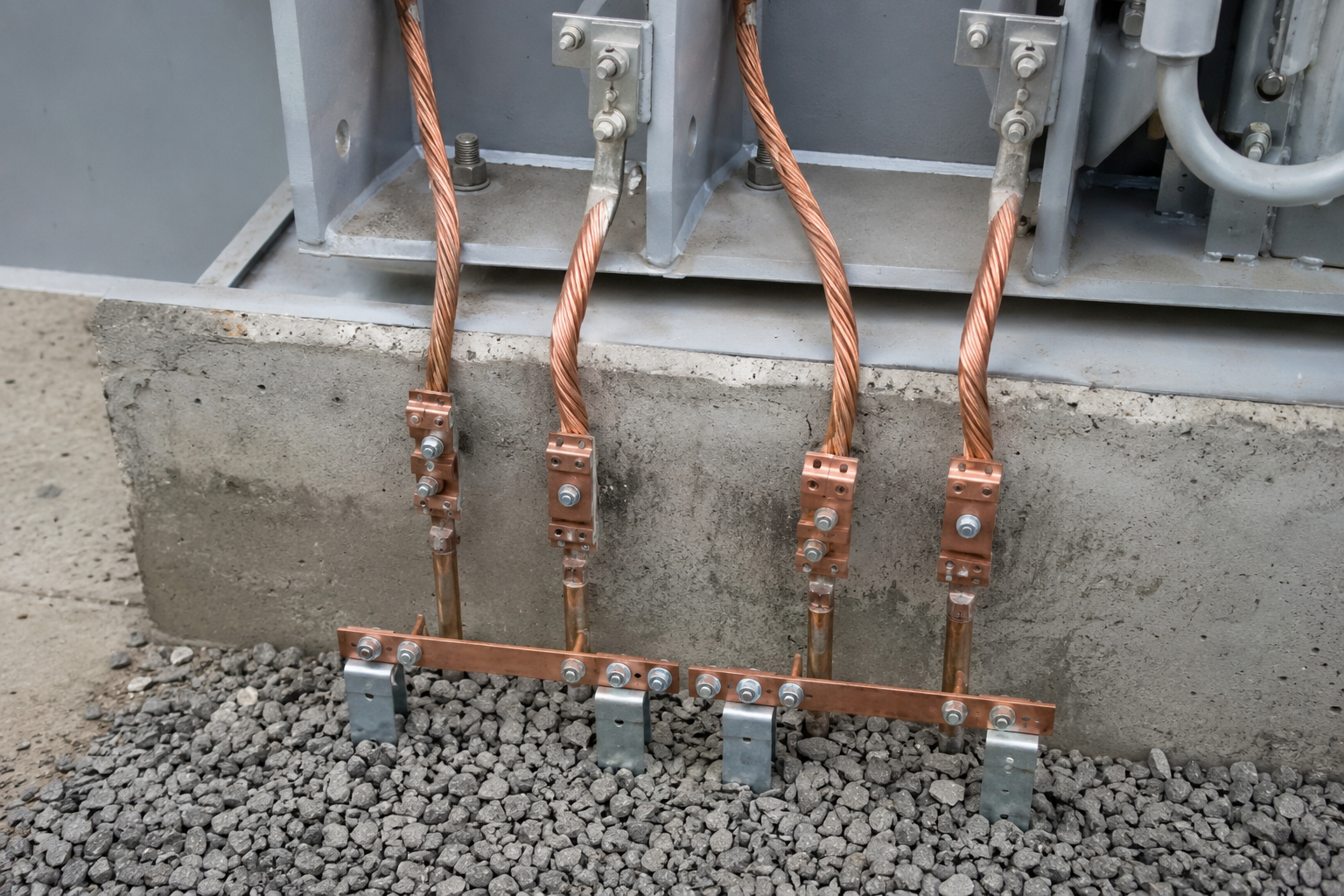
Generally, many people do not give much thought to the safety of electricity until something bad happens. Electrical safety is especially concerning within large industrial facilities, where massive amounts of electricity flow through electrical equipment continuously as large industrial motors and automated systems are powered, as well as high-voltage switchboards, transformers and high-voltage cables. Electrical faults can occur frequently in industrial facilities, resulting in the equipment sustaining damage, production downtime or an electrical fire or injuring employees.
For this reason, advanced earthing systems have become an essential component of new industrial facilities in the UAE. Proper earthing systems will protect facilities by safely directing electrical fault currents away from people and electrical equipment. In industries where an interruption to operations can result in significant financial loss, earthing systems should not only be seen as a technical compliance issue but also a business continuity issue.
A minor fault revealed a major issue
A few years ago, an industrial processing plant in the UAE had numerous equipment shutdowns during periods of unstable weather. Initially, engineers assumed the problem was with the equipment itself. However, after several inspections, the root cause turned out to be something less apparent: inadequate earth grounding performance.
The original earthing system of the plant was older and unable to dissipate fault currents properly, particularly during voltage surges and lightning. The sensitive automation systems became unstable, and some control equipment suffered from unanticipated damage.
Although no catastrophic failures occurred, the maintenance costs continued to rise as a result of these errors.
After an initial full site assessment, engineers upgraded the earthing and lightning protection systems within the facility by using deeper ground electrode systems, corrosion-resistant conductors, and improved grounding techniques throughout the facility.
The difference between the old system and the new system was immediate. The level of stability of equipment improved, the number of nuisance trips decreased, and the number of unexpected shutdowns caused by electrical disturbances decreased.
What was especially noticeable was how a system that was underground could have such a direct effect on the operation of the facility on a daily basis.
Importance of Earthing Systems in Industrial Facilities
Most people think of earthing as just a way of preventing electrical shock. While that is an important part of its job, modern earthing systems have additional roles beyond preventing accidental contact by people with electricity.
In industrial settings, advanced earthing systems can:
Safely dissipate fault current
Protect your equipment from voltage surges
Stabilize your electrical systems
Decrease the risk of fires
Improve lightning protection performance
Reduce electromagnetic interference
When there is no proper earthing system installed on a facility, fault currents will flow through all types of structures, including machines and other electrical systems. As a result of this unpredictability, you introduce serious safety and operational risk.
Facilities located in the UAE also face additional challenges since environmental factors can significantly impact the overall efficiency of an earthing system. When designing an earthing system, improper levels of soil resistivity, excessive heat and moisture fluctuations will all diminish the performance and service of the overall system over a period of time.
This is why experienced contractors place a great deal of emphasis on providing reliable earthing and lightning protection systems in new installs and upgrades to existing facilities.
The Connection Between Grounding and Lightning Protection
Many believe that lightning protection systems act independently of one another when, in fact, grounding systems have a significant impact on the overall effectiveness of any lightning protection installation. A lightning strike is an enormous bolt of energy, and if the lightning cannot safely dissipate into the ground, then it may cause damage to the equipment, electrical panels, communication system and/or the building structure. Most modern industrial buildings combine their earthing system and lightning protection system as part of their strategy versus treating them separately.
This includes:
Proper Interlinking of the Two Systems
All metal structures and all electrical systems must maintain the same electrical potential during a fault condition. Proper interlinking reduces the risk of potentially dangerous differences in voltage between systems.
Low Resistance Grounding System
The lower the resistance to the ground, the more efficiently the electrical energy dissipates through the soil and, therefore, the less potential stress on equipment.
Integrated Surge Protection
Sensitive automation, servers and industrial controls generally will require additional surge protection that is coordinated with the grounding system.
Corrosion-Resistant Materials
Grounding components in the harsh, UAE environment need to remain intact for long periods with no deterioration.
Why Businesses Are Investing in Advanced Systems for Industrial Facilities
Industrial operations have become increasingly reliant on automated systems and digital infrastructure. Minor disturbances in electrical power can affect production lines, cause sensitive electronics, and disrupt communication systems.
That shift has changed how companies view electrical safety.
The older style of grounding systems was designed primarily for basic fault protection. Today, facilities require grounding systems capable of withstanding increasingly complex electrical environments, with
Variable-frequency drives
Automated process control systems
Data centers (DCs)
Alternative energy systems
Smart monitoring devices
As a result, more advanced earthing and lightning protection systems are becoming common throughout various industries, including oil and gas, manufacturing, logistics, health and safety, and utilities across the United Arab Emirates (UAE).
Many operators no longer look to be compliant; instead, their goal is to create resilient operations.
The Consequences of Not Addressing Grounding Issues
One of the most common mistakes companies make is thinking that the grounding systems in their buildings will last forever without being tested or serviced.
Soil conditions are constantly changing. Connections loosen. Corrosion occurs. Expansion projects change the electrical loads within an electrical system.
The financial ramifications of failing to ground your facility can have significant repercussions. The cost associated with lost productivity, replacement of damaged equipment, delays caused by maintenance interruptions, and injuries caused by unsafe conditions often outweigh the total yearly fiscal contribution made to your business due to ground failures.
Frequently Asked Questions
What is the main purpose of an earthing system?
An earthing system safely directs electrical fault currents into the ground, protecting people, equipment, and infrastructure from electrical hazards.
Why is earthing important in industrial facilities?
Industrial environments use high-powered electrical systems that can create dangerous fault conditions. Proper grounding improves safety, equipment reliability, and operational stability.
How does earthing support lightning protection?
Lightning protection systems rely on grounding networks to safely dissipate lightning energy into the earth, reducing the risk of structural or electrical damage.
How often should grounding systems be tested?
Most industrial facilities conduct periodic testing annually or according to local regulations and operational requirements.
Conclusion
The best safety systems in an industrial facility are often the least visible. An advanced earthing system will not draw unwanted attention to itself while it is functioning normally. This is the whole point of designing an earthing system properly; it will function without anyone knowing it exists, thus preventing an issue that simply will not be apparent to most people.
For UAE industrial companies, the capital investment associated with sound earthing and lightning protection systems has gone beyond just meeting regulatory standards; these companies are installing systems primarily for the protection of their infrastructure and for continuity of operations in the long run in an environment of increasingly complex electrical systems.