English
 Arabic
 French
 Spanish
 Portuguese
 Deutsch
 Turkish
 Dutch
Dutch
 Italiano
 Russian
 Romaian
 Portuguese (Brazil)
 Greek
Greek
Chinese Hamster Ovary (CHO) Cells Market Analysis 2026: Market Size, Share, Trends and Industry Outlook
Health |
2026-08-13 14:32:03
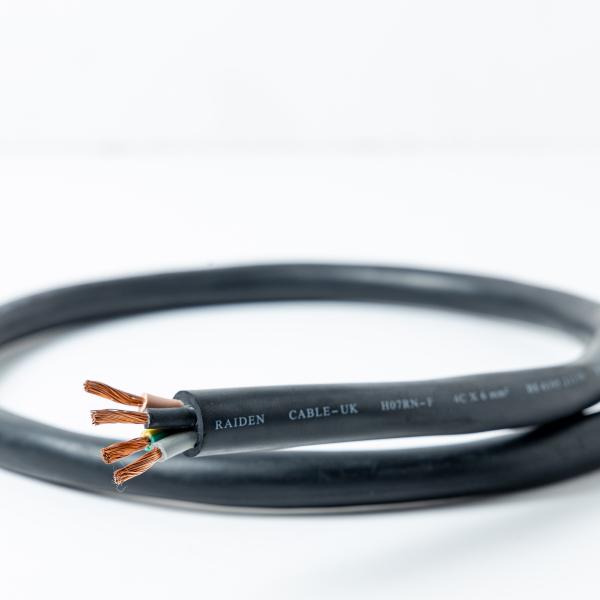
Flexible cables are widely used in electrical systems where movement, bending, or vibration is common. Two of the most commonly used types are PVC flexible cables and rubber flexible cables. Both serve similar purposes but differ in structure, durability, and performance.
PVC (Polyvinyl Chloride) cables are made using plastic insulation material. They are commonly used in residential wiring, light commercial setups, and fixed installations. PVC cables are cost-effective and easy to install, making them a popular choice for general electrical work.
However, PVC cables have limited flexibility compared to rubber cables. They are suitable for areas where cables do not need frequent movement. They also offer moderate resistance to heat and chemicals but may become hard or brittle in extreme temperatures over time.
Rubber flexible cables are designed for heavy-duty and industrial use. They are made with rubber-based insulation, which gives them superior flexibility and strength. These cables can handle bending, twisting, and continuous movement without breaking or cracking.
Rubber cables are highly resistant to heat, moisture, oil, and abrasion. This makes them suitable for harsh environments such as construction sites, factories, and outdoor machinery operations.
PVC cables are generally more affordable and used in fixed installations, while rubber cables are more durable and used in dynamic applications. PVC becomes rigid in cold conditions, whereas rubber remains flexible even in extreme temperatures. Rubber cables also provide better mechanical protection and longer service life compared to PVC cables.