English
 Arabic
 French
 Spanish
 Portuguese
 Deutsch
 Turkish
 Dutch
Dutch
 Italiano
 Russian
 Romaian
 Portuguese (Brazil)
 Greek
Greek
1,7-Octadiene Market Size, Share, Growth and Forecast to 2035
Other |
2026-08-24 12:06:03
The Clean Label Sweetener India's Food Industry Has Been Looking For
India's food and beverage industry is at an inflection point. Consumers are reading ingredient labels more carefully than ever before. They are asking harder questions - what is this ingredient, where does it come from, and what does it do to my body? For food manufacturers, this shift is not a passing trend. It is a fundamental change in how products need to be formulated, positioned, and sold.
At the heart of this change is the search for a clean label sweetener that actually works - one that replaces sugar without synthetic aftertastes, complicated chemistry, or compromised texture. Allulose in India is emerging as exactly that ingredient. And the food industry is beginning to take serious notice.
Allulose is a naturally occurring rare sugar found in small quantities in figs, raisins, jackfruit, and wheat. It looks like sugar, behaves like sugar in most formulation applications, and delivers approximately 70% of sucrose sweetness - but with only 0.4 calories per gram and a near-zero glycemic index.
For a market like India - where diabetes prevalence is among the highest in the world and obesity rates are climbing - this profile is not just commercially attractive. It is genuinely important.
What makes allulose stand out from the crowded sweetener category is its clean label credentials:
This combination of natural origin, functional performance, and regulatory approval is precisely what India's food industry has been searching for.
To understand why allulose in India is gaining traction so quickly, it helps to look at what came before it.
Stevia - while popular - carries a distinctive herbal aftertaste that limits its application in certain product categories. Erythritol and xylitol are sugar alcohols that can cause digestive discomfort at higher doses and leave a cooling sensation that consumers often find unnatural. Sucralose and aspartame remain controversial among health-conscious buyers who prefer ingredients they can recognise and pronounce.
The food industry has been working around these limitations for years. Blending sweeteners, masking aftertastes, adjusting formulations - all to get as close to the sugar experience as possible without using sugar itself.
Allulose solves this differently. It does not need to be masked or blended to perform. As a natural sugar replacement, it delivers:
These are not marginal improvements. For a product developer, these are the functional properties that determine whether a reformulated product makes it to shelf or stays in the lab.
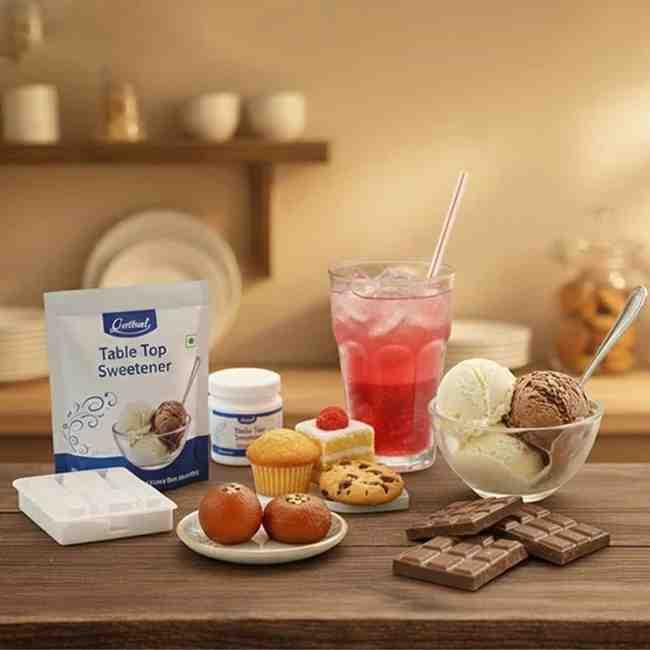
One of the most exciting applications for allulose in India is in the table-top sweetener category. This is the segment that sits directly in front of consumers - sachets, jars, pouches, and sticks used in tea, coffee, and everyday cooking.
The table-top sweetener market in India has historically been dominated by saccharin, sucralose, and stevia-based products. But consumer preferences are shifting. There is a growing segment of health-conscious buyers - diabetics, keto followers, weight management seekers, and clean-eating households - who are actively looking for a natural sugar replacement that does not feel like a compromise.
Table-top sweetener allulose India is a category waiting to be properly developed. The ingredient ticks every box a modern consumer expects:
For brands building in the health and wellness space, launching a table-top sweetener allulose product is a credible, differentiated market entry. For established FMCG players looking to extend existing sweetener lines, allulose offers a genuinely new story to tell.
While the table-top sweetener opportunity is significant, allulose in India has formulation relevance across a much wider set of product categories.
Bakery and Confectionery Allulose supports Maillard browning and moisture retention - two properties that are notoriously difficult to replicate when removing sugar from baked goods. Cookies, cakes, muffins, and breads retain their texture and colour with allulose as a natural sugar replacement.
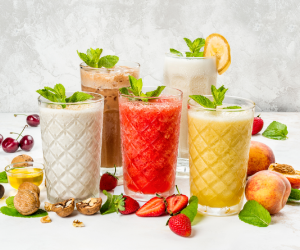
Beverages As a zero-calorie sweetener with high solubility and a clean taste profile, allulose performs exceptionally in ready-to-drink beverages, flavoured water, health drinks, and sports nutrition products. No crystallisation, no sedimentation, no off-notes.
Dairy and Frozen Desserts Allulose's freeze point depression makes it ideal for ice cream, frozen yoghurt, and kulfi formulations. It prevents ice crystal formation and delivers a smoother, creamier mouthfeel without the caloric load of sugar.
Protein and Nutrition Products Protein bars, meal replacement shakes, and functional snacks all benefit from allulose's clean sweetness without the glycemic spike. For brands targeting diabetic or keto consumers, this is a formulation essential.
Nutraceuticals and Supplements As regulatory scrutiny of sweeteners in health products increases, allulose's natural origin and FSSAI-approved status make it a safe, credible choice for supplement manufacturers operating in India.
Several converging factors are making this the right moment for food manufacturers and brands to act on allulose:
For manufacturers who move early, the opportunity to build category leadership in clean-label sweetened products - whether as a table-top sweetener, a beverage ingredient, or a bakery component - is significant.
Not all allulose is created equal. For food manufacturers and brand owners sourcing this ingredient in India, the quality and compliance credentials of your supplier matter enormously.
When evaluating an allulose supplier, look for:
India now has suppliers capable of meeting these standards and servicing both domestic manufacturers and international buyers from a single, FSSAI-compliant production base.
The Indian food industry has spent years looking for a natural sugar replacement that does not ask consumers to choose between health and taste. Allulose is that ingredient. It is natural, functional, regulatory-approved, and commercially ready.
For brands building in the health and wellness space, for manufacturers reformulating to meet the demands of a more ingredient-aware consumer, and for product developers who have spent years navigating the limitations of existing sweeteners - this is the moment to take allulose seriously.
The clean label era in Indian food is not coming. It is already here. And allulose is at the centre of it.