English
 Arabic
 French
 Spanish
 Portuguese
 Deutsch
 Turkish
 Dutch
Dutch
 Italiano
 Russian
 Romaian
 Portuguese (Brazil)
 Greek
Greek
How to Choose the Right Colors for Your Riverview Home's Exterior
Home |
2026-07-06 15:32:36

-Contributed by Aditi Srivastava
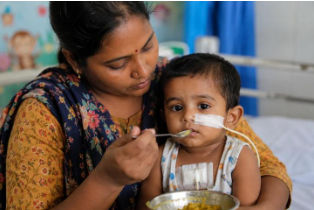
Children with congenital heart defects (CHDs) are especially susceptible to malnutrition. The pathogenesis of nutritional disorders in this population reflects a multi factorial imbalance between increased metabolic demands, reduce dietary intake and an altered nutrient absorption, or rather malabsorption. The prevalence, risk factors and underlying mechanisms of malabsorption in pediatric heart diseases is overcome by nutritional assessment, dietary management and peri operative considerations.
Testing, screening, nutritional support, and multidisciplinary care is essential to optimise growth and enhance clinical recovery. Malnutrition can negatively impact growth, surgical outcome and neuro development in children with congenital heart defects. Breast milk, micro-nutrient, macro nutrient and feeding calorie dense food is essential in promoting growth of such children in the long-term and short-term. Malnutrition causes children being underweight, having stunted growth and developing muscle wasting.
Key risk factors include:
low birthweight
premature birth
pulmonary hypertension and
pneumonia developing early in life
These factors lead to poorer quality of life. Therefore, timely nutritional intervention is crucial in improving outcome and quality of life of such children. Malnutrition arises from a complex interplay of increased metabolic demands, reduced nutrient intake, and impaired absorption mechanisms strongly linked to the underlying cardiac pathology and heart failure. Understanding these processes is critical to improving growth, immune function, and overall cardiac outcomes in this vulnerable population.
Increased metabolic demands
Children with CHDs and heart failure typically exhibit elevated energy requirements due to chronic hypoxemia, increased work of breathing, and heightened cardiac workload. Cardiac insufficiency and hypoxia substantially raise resting energy expenditure, while recurrent infections, surgical stress, and systemic inflammation further exacerbate catabolic stress. These children often require significantly more energy to maintain homeostasis and support growth.
Reduced nutritional intake
Feeding difficulties are common and multifactorial. Tachypnea, fatigue, and poor oral-motor coordination limit effective feeding, particularly in infants. Postoperative factors such as sedation, mechanical ventilation, and gastrointestinal dysmotility further impair intake. Psychosocial issues, including caregiver anxiety, early breastfeeding interruption, or delayed complementary feeding, may compound these challenges.
Malabsorption and inefficient nutrient utilisation
Even with adequate intake, nutrient assimilation and utilization may be impaired. Low cardiac output compromises intestinal perfusion, leading to mucosal oedema and reduced absorption. Cyanotic CHDs and Fontan circulation can cause mesenteric ischemia and protein-losing enteropathy, resulting in loss of albumin, immunoglobulins, and fat-soluble vitamins. Hepatic congestion further distorts nutrient metabolism and storage, compounding nutritional deficits.
In children with CHDs, nutritional deficits result from a complex interplay of increased metabolic requirements, reduced dietary intake, and malabsorption. Micronutrient deficiencies, particularly iron, vitamin D, and carnitine, are common and may exacerbate growth failure. Severe protein-energy malnutrition can impair cardiac structure and function, contributing to myocardial atrophy, reduced ventricular mass, and increased risk of arrhythmias. Early and repeated hospitalizations, low birth weight, and pulmonary hypertension further amplify the risk of undernutrition.
Collectively, these findings emphasize the importance of systematic nutritional screening and timely dietary intervention in pediatric cardiac care.
Connect with Genesis Foundation: Best NGO for Children in Delhi
At Genesis Foundation, an NGO for children in Delhi NCR, they believe that no child should be denied the chance to grow, heal, and thrive because of a congenital heart defect.
Alongside timely medical care, nutritional support plays a vital role in improving recovery, strengthening immunity, and enhancing long-term quality of life for these children. By supporting families through access to life-saving cardiac treatment and holistic care, they can help children overcome not only the challenges of heart disease, but also the silent burden of malnutrition.

Together, greater awareness, early intervention, and collective action can ensure every child gets the opportunity for a healthier future. To know more about the child heart foundation in Delhi NCR, visit: https://www.genesis-foundation.net/.
To make a donation for child heart surgery in Delhi, click here: https://www.genesis-foundation.net/donate.