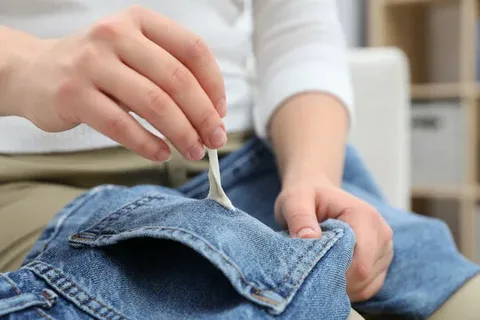
Chewing gum stuck on clothes can feel like a stubborn mess, especially when it settles deep into fabric fibers. WD-40 is often mentioned as a fast solution, but its effectiveness and fabric safety depend on how it is used and the type of material involved. This guide explores how WD-40 performs in real situations, how it compares with other chewing gum remover methods, and which techniques deliver the most reliable results for lifting tough gum stains from clothing.
How Chewing Gum Bonds to Fabric
Why gum sticks so strongly to clothes
Chewing gum is designed to be sticky and elastic, which makes it incredibly difficult to remove once it attaches to fabric. The polymers in gum bond with textile fibers, especially cotton, denim, and wool. When pressure is applied, the gum spreads deeper, making removal even more challenging. Heat from the body or environment softens it further, allowing it to embed into the weave of the cloth.
Why freezing or heating changes gum behavior
Temperature plays a major role in gum removal. Cold temperatures harden gum, making it brittle and easier to break apart. Heat, on the other hand, softens it and makes it more adhesive. This is why methods like ice packs or freeze spray for gum removal are commonly recommended. Understanding this behavior is key before choosing any chemical-based solution like WD-40 or chewing gum remover spray.
Common mistakes people make during removal
One of the biggest mistakes is rubbing gum immediately. This pushes it deeper into fibers and spreads the stain. Another mistake is using strong solvents without testing fabric compatibility. Some people also try scraping too aggressively, which can damage delicate clothing. A controlled approach always works better than force, especially when dealing with sensitive fabrics or expensive garments.
What WD-40 Actually Does to Chewing Gum
How WD-40 interacts with sticky substances
WD-40 is a petroleum-based lubricant designed to reduce adhesion and loosen stuck materials. When applied to chewing gum, it breaks down the gum’s stickiness by reducing surface tension between the gum and fabric fibers. This makes it easier to lift or scrape the gum away without forcing it deeper into the material.
Effectiveness on different fabric types
WD-40 works better on synthetic fabrics than delicate natural fibers. On denim, polyester, or canvas, it can loosen gum effectively. However, on silk or wool, it may leave stains or alter texture. This is why testing on a hidden area is essential. In some cases, professional-grade chewing gum remover solutions are safer and more predictable than household lubricants.
Risks and limitations of using WD-40
While WD-40 can help loosen gum, it is not designed for clothing care. It may leave an oily residue that requires additional cleaning. It can also affect dye stability in some fabrics. Because of this, it should be considered a last-resort option rather than a primary solution. Safer alternatives like bubble gum remover chewing gum remover sprays are specifically formulated for textiles.
Step-by-Step WD-40 Gum Removal Method
Preparing the fabric before treatment
Before applying WD-40, gently remove any excess gum using a dull object like a spoon or blunt knife. Avoid spreading it further. Place a clean cloth or cardboard behind the fabric to prevent transfer. This setup ensures the gum does not penetrate deeper layers during treatment.
Applying WD-40 correctly and safely
Spray a small amount of WD-40 directly onto the gum-affected area. Allow it to sit for a few minutes so it can break down the adhesive properties. You will notice the gum becoming softer and easier to separate from fibers. This step should always be done in a well-ventilated area due to the chemical nature of the product.
Cleaning and removing residue afterward
After loosening the gum, gently scrape it away using a soft tool. Once removed, wash the garment immediately with detergent and warm water to eliminate any oily residue. This step is critical because leftover WD-40 can attract dirt and create stains if not properly cleaned.
Alternative Methods for Removing Chewing Gum
Freezing method for quick removal
One of the safest and most effective techniques is freezing. Placing the clothing in a freezer or using an ice pack hardens the gum, making it easy to peel or break off. This method avoids chemicals entirely and works well on most fabrics. It is often recommended before trying stronger solutions.
Commercial gum removal products
Specialized products like commercial chewing gum removal sprays are designed specifically for fabrics. These solutions dissolve gum without damaging fibers or leaving oily residues. They are widely used in professional cleaning services and are more predictable than household chemicals. Products like chewing gum remover spray are especially effective for repeated or heavy stains.
Natural and household solutions
Some people use vinegar or peanut butter to break down gum adhesion. Vinegar can weaken the gum structure, while oils in peanut butter reduce stickiness. However, these methods can create additional cleaning challenges. They are useful for emergencies but not ideal for delicate or expensive garments compared to dedicated dissolving gum how to dissolve chewing gum solutions.
Professional Gum Removal Techniques
When to use professional cleaning services
If gum is deeply embedded or on expensive clothing, professional help is often the safest choice. Experts use controlled solvents and equipment that remove gum without damaging fabric. This is especially useful for suits, uniforms, or delicate textiles where home methods might fail.
Industrial-grade gum removal solutions
Professionals often rely on stronger but fabric-safe chemical agents designed for targeted breakdown of adhesives. These are far more effective than household products and leave minimal residue. They are commonly used in textile care and dry-cleaning environments where precision is required.
Advantages of expert stain treatment
Professional cleaning ensures both stain removal and fabric preservation. Experts can identify fabric types and choose the safest method accordingly. This reduces the risk of discoloration or damage, especially compared to unpredictable DIY methods like WD-40 or oil-based alternatives.
Preventing Chewing Gum Stains in the Future
Awareness in public environments
Most gum stains happen in public places like parks, cinemas, or public transport. Being mindful of where you sit or place clothing can reduce accidental contact. Simple awareness goes a long way in preventing stubborn stains.
Clothing protection habits
Using outer layers or seat covers in high-risk environments can help protect clothing. For children especially, teaching proper gum disposal reduces accidental sticking incidents. Prevention is always easier than removal.
Quick response techniques
If gum does get stuck, acting quickly improves success rates. Cooling the gum immediately or isolating the fabric prevents it from spreading deeper. Fast action reduces the need for stronger solutions like WD-40 or chemical removers.
Conclusion
WD-40 can remove chewing gum from clothes, but it is not a perfect or fabric-safe solution. It works by breaking down the gum’s stickiness, making removal easier, but it also carries risks like staining and residue buildup. Safer alternatives such as freezing methods, chewing gum remover spray, and professional cleaning services often provide better and more reliable results. The best approach depends on fabric type, stain severity, and how quickly you respond to the issue.
FAQs
Does WD-40 really remove chewing gum from clothes?
Yes, it can loosen gum by reducing its stickiness, but it may leave oily stains and is not ideal for all fabrics.
What is the safest way to remove chewing gum?
Freezing the fabric or using ice is one of the safest methods because it avoids chemicals and protects fibers.
Can WD-40 damage clothes?
Yes, it may leave oil residue or affect delicate fabrics, so it should be used carefully and tested first.
Are commercial gum removers better than WD-40?
Yes, products like chewing gum remover spray are specifically designed for fabrics and are safer and more effective.
What should I do after removing gum with WD-40?
Wash the fabric thoroughly with detergent and warm water to remove any remaining oil or chemical residue.
 English
 Arabic
 French
 Spanish
 Portuguese
 Deutsch
 Turkish
 Dutch
Dutch
 Italiano
 Russian
 Romaian
 Portuguese (Brazil)
 Greek
Greek