English
 Arabic
 French
 Spanish
 Portuguese
 Deutsch
 Turkish
 Dutch
Dutch
 Italiano
 Russian
 Romaian
 Portuguese (Brazil)
 Greek
Greek
Pre Engineered Buildings Manufacturer: Complete Guide for 2026
Other |
2026-07-21 11:41:14
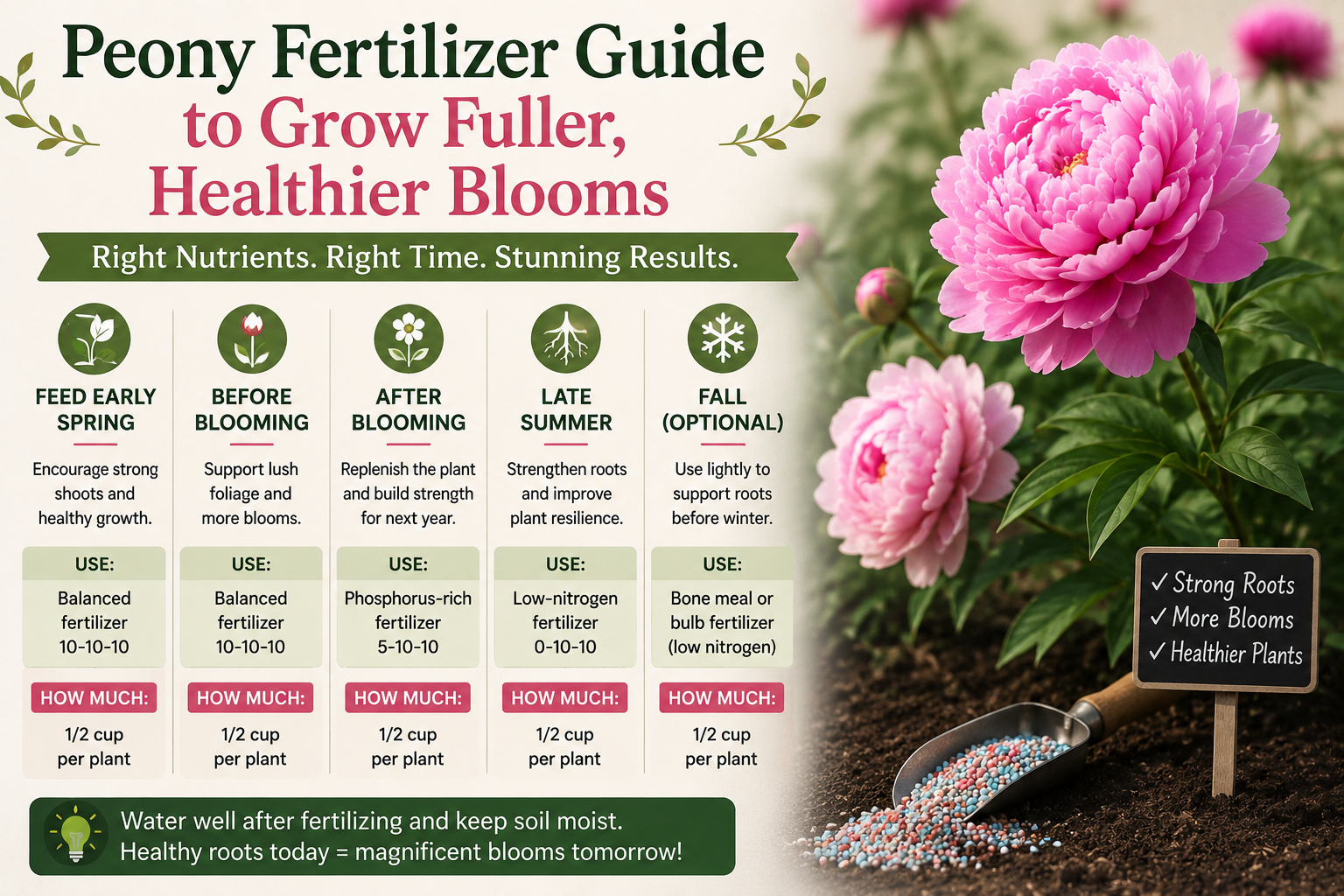
Peonies are among the most rewarding perennial flowers in any garden. Their large, fragrant blooms and long lifespan make them a favorite among gardeners. However, many people overlook one important factor that directly affects flower size, plant strength, and bloom production: proper peony fertilizer.
Choosing the right fertilizer and applying it at the correct time can help peonies develop stronger roots, healthier foliage, and fuller blooms year after year. Since peonies can live for decades, giving them the nutrients they need is a simple way to ensure long-term success.
This guide explains everything you need to know about peony fertilizer to help your plants grow healthier and produce abundant flowers naturally.
Peonies are not heavy feeders, but they still require essential nutrients to maintain healthy growth. Over time, soil loses nutrients, especially in established garden beds where plants have been growing for several years.
A balanced fertilization routine helps peonies:
Without proper nutrition, peonies may produce fewer flowers, weak stems, or smaller blooms.
Before choosing a peony fertilizer, it helps to understand the three primary nutrients.
Nitrogen promotes leaf and stem growth. However, excessive nitrogen can lead to lush foliage with fewer flowers.
Phosphorus supports root development and flower production. It is one of the most important nutrients for peonies.
Potassium improves overall plant health, disease resistance, and stress tolerance.
Look for fertilizers with balanced or low-nitrogen formulas, such as:
These formulas provide sufficient nutrients without encouraging excessive leaf growth.
Several fertilizer options work well for peonies.
Granular fertilizer releases nutrients slowly and is easy to apply.
Advantages:
Apply around the drip line rather than directly against the stem.
Compost naturally improves soil quality and provides slow-release nutrients.
Benefits include:
Well-aged compost is an excellent addition each spring.
Bone meal is rich in phosphorus and supports flower production and strong roots.
Use sparingly and mix lightly into the soil.
Organic products containing ingredients such as:
can provide a gentle nutrient boost while improving soil health.
Timing matters just as much as the fertilizer itself.
The best time to apply peony fertilizer is in early spring when shoots emerge from the ground.
At this stage, plants begin active growth and can efficiently absorb nutrients.
A second light feeding after flowering helps plants store energy for next year's blooms.
This supports root development and strengthens the plant before dormancy.
Avoid fertilizing in late summer or fall because new growth may not harden before winter arrives.
Applying fertilizer correctly prevents plant damage and encourages even growth.
Follow these steps:
Moist soil helps nutrients absorb more effectively.
Keep fertilizer about 6 to 12 inches away from the crown.
Never place fertilizer directly against stems.
Lightly scratch the fertilizer into the top layer of soil.
Avoid disturbing shallow roots.
Water deeply after application to activate nutrients.
Proper watering also helps prevent root burn.
Peonies often show visible signs when nutrient levels are low.
Watch for these symptoms:
If your plants display these signs despite receiving adequate sunlight and water, a nutrient deficiency may be the cause.
Many gardeners unintentionally make mistakes that reduce flower production.
High-nitrogen fertilizers encourage leaves instead of flowers.
Avoid lawn fertilizers around peonies.
More fertilizer does not mean more blooms.
Too much fertilizer can damage roots and weaken plants.
Late-season feeding stimulates tender growth that may suffer winter damage.
This can burn stems and cause plant stress.
Always apply around the outer root zone.
Even the best peony fertilizer cannot compensate for poor soil conditions.
Peonies thrive in:
Heavy clay soil may benefit from compost additions.
Avoid planting peonies in waterlogged areas because excess moisture can lead to root rot.
Alongside fertilizer, several simple practices can improve bloom quality.
Apply a thin layer of mulch around the plant while keeping it away from the crown.
Mulch helps:
Removing faded flowers allows plants to redirect energy into root growth.
Peonies perform best with six to eight hours of direct sunlight daily.
Insufficient sunlight often results in fewer flowers.
Peonies prefer deep watering rather than frequent shallow watering.
Maintain even soil moisture during active growth periods.
Here's a simple yearly routine.
Apply balanced fertilizer (5-10-10)
Water deeply
Monitor growth
Remove weeds
Apply a light second feeding
Add compost if needed
Remove dead foliage
Avoid fertilizing
Following this schedule helps support healthy blooms year after year.
Peonies are an investment in your garden. Many plants can thrive for 50 years or longer when properly maintained.
Unlike annual flowers that need replanting each year, peonies reward consistent care with larger blooms and stronger plants over time.
Patience is important because young peonies may take two to three years to reach their full blooming potential.
Once established, they become easier to maintain.
YourHomify Community is a gardening-inspired space where plant lovers share practical tips and simple ideas for creating healthier, more beautiful home gardens.
Using the right peony fertilizer can make a significant difference in the health and beauty of your plants. A balanced approach with proper timing, moderate feeding, and healthy soil conditions will encourage fuller blooms and stronger roots.
Remember that peonies do not require excessive fertilizer. Consistency is more important than quantity.
By feeding your plants in early spring and again after flowering, you can enjoy vibrant, healthy blooms for many years to come.
A simple fertilizer routine today can reward you with a garden full of spectacular peonies every season.