English
 Arabic
 French
 Spanish
 Portuguese
 Deutsch
 Turkish
 Dutch
Dutch
 Italiano
 Russian
 Romaian
 Portuguese (Brazil)
 Greek
Greek
Most Popular Cosplay Characters 2026
Home |
2026-05-05 08:37:35
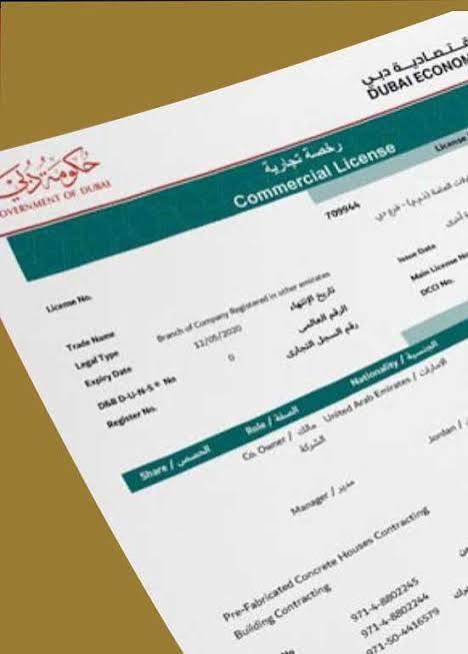
Quick answer: A service license lets you offer professional or intangible services (like consultancy, marketing, or maintenance), while a trading license allows you to buy, sell, import, and export physical goods. The right choice depends on whether your business sells expertise or products.
Starting a business in the UAE means making one important decision early on: which type of license fits your activity? Two of the most common options are the service license and the trading license. They sound similar, but they cover very different business activities—and picking the wrong one can lead to fines, delays, or a costly do-over.
This blog breaks down what each license means, how they differ, and which one suits your business. You'll also find helpful tips, answers to common questions, and a clear path forward. Let's get into it.
Service licenses cover a wide range of activities, including:
The key idea is simple: you're selling something intangible. A real estate consultant, for example, earns income by advising clients on property decisions—not by stocking and selling goods. Many professional firms across the Emirates operate under this license because their value comes from knowledge and service quality, not inventory.
Service licenses often require proof of qualifications. For instance, a consultancy may need to show relevant academic certificates or professional experience before approval.
Common activities under a trading license include:
To make the difference clear, think of it this way: property consultants Dubai professionals advising buyers would need a service license, while a company importing and selling furniture to those same buyers would need a trading license. One sells advice; the other sells products.
Trading licenses may also require additional approvals depending on the goods involved. Items like food, electronics, or chemicals often need clearance from specific government authorities.
Here's a side-by-side look at how these two licenses compare:
|
Feature |
Service License |
Trading License |
|---|---|---|
|
Main activity |
Selling services |
Selling goods |
|
Inventory |
Not required |
Required |
|
Import/export |
Not allowed |
Allowed |
|
Common users |
Consultants, agencies, freelancers |
Retailers, wholesalers, traders |
|
Extra approvals |
Based on profession |
Based on product type |
Understanding these differences helps you avoid registering for the wrong activity. A business that wants to both advise clients and sell products may even need both licenses, or a combined setup, depending on local regulations.
Choosing the right license comes down to one question: Do you sell a service or a product?
When in doubt, speak with a business setup advisor. They can review your activity and match it to the correct license category, saving you time and avoiding compliance issues down the line.
A few practical pointers can make the licensing process smoother:
Taking the time to plan upfront saves money and avoids frustrating delays.
Yes. Many businesses operate under a dual setup when they offer services and sell goods. You may need to register additional activities or apply for a combined license, depending on the jurisdiction.
Costs vary by jurisdiction and activity. Service licenses are sometimes lower in cost because they don't require warehouse space or product-related approvals, but this isn't a fixed rule.
In many cases, yes. Both license types may require a registered address. However, some free zones offer flexible options like shared desks or virtual offices for service-based businesses.
Yes. Freelancers in fields like consulting, design, and marketing often qualify for a service license or a freelance permit, depending on the authority.
Operating under the wrong license can lead to fines, penalties, or forced closure. It's best to confirm your activity with a setup advisor before applying.
The difference between a service license and a trading license comes down to one thing: services versus goods. A service license suits businesses built on expertise and advice, while a trading license fits those that buy and sell physical products. Some businesses need both.
Before you apply, take a moment to map out exactly what your business will do. Check the approved activity lists, plan for future growth, and don't hesitate to seek professional guidance. The right license sets a strong foundation for everything that follows—so it's worth getting right the first time.