English
 Arabic
 French
 Spanish
 Portuguese
 Deutsch
 Turkish
 Dutch
Dutch
 Italiano
 Russian
 Romaian
 Portuguese (Brazil)
 Greek
Greek
The Biggest Inventory Challenges for Retailers Selling Protein Snack Products
Shopping |
2026-05-20 04:42:01
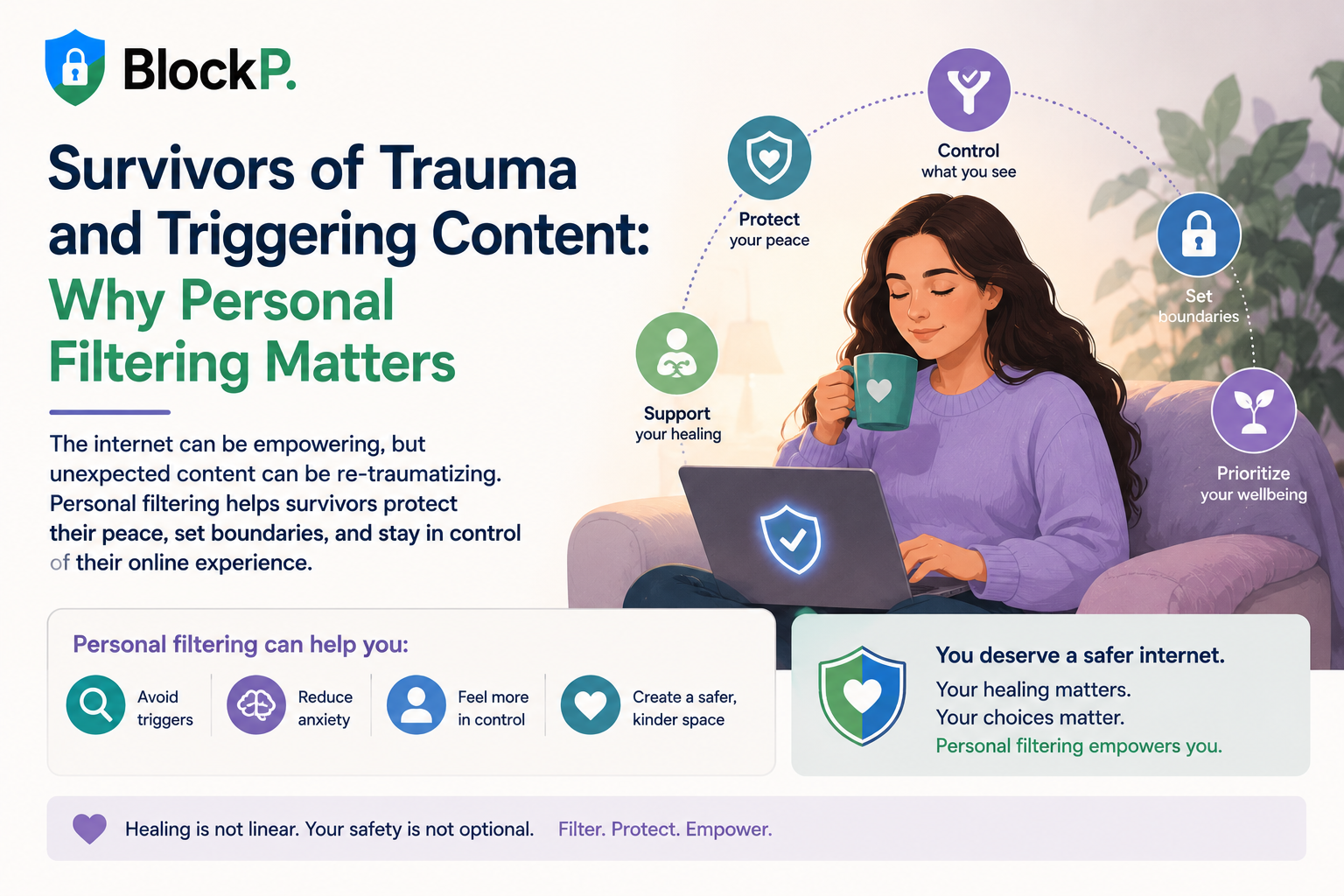
The internet offers extraordinary opportunities for learning, connection, entertainment, and support. Yet for many trauma survivors, online spaces can also present unexpected challenges. News headlines, videos, social media posts, images, advertisements, and search results may contain content that evokes painful memories or emotional distress.
For individuals recovering from experiences such as abuse, violence, harassment, exploitation, or other traumatic events, exposure to certain content can sometimes be overwhelming. While not every survivor experiences triggers in the same way, many benefit from having greater control over what appears in their digital environment.
This is where personal content filtering becomes important. Rather than restricting information broadly or imposing limitations from outside, personal filtering empowers individuals to decide what they wish to encounter online and what they prefer to avoid. At its core, this is a conversation about autonomy, dignity, and the right to shape one's own digital experience.
Creating safer online environments does not mean avoiding reality. Instead, it means giving people the tools to engage with the world at a pace and in a manner that supports their wellbeing.
Trauma affects people differently.
An event that deeply impacts one individual may not affect another in the same way. Similarly, content that feels manageable for one survivor may be distressing for someone else.
A trigger is generally understood as a reminder—visual, auditory, textual, or situational—that may evoke strong emotional responses connected to past experiences.
Online triggers can take many forms, including:
Importantly, triggers are highly personal. There is no universal list that applies to every survivor.
This is why individualized control often matters more than one-size-fits-all solutions.
A trauma-informed approach emphasizes personal agency.
Many survivors have experienced situations in which control was taken away from them. Supporting recovery often involves helping individuals regain a sense of choice and autonomy.
Personal filtering reflects this principle.
Instead of having someone else decide what content should be accessible, users can make informed decisions about their own digital boundaries.
This approach respects the reality that:
The goal is empowerment rather than restriction.
Modern digital platforms are designed to maximize engagement.
Algorithms often prioritize emotionally charged content because it attracts attention and interaction.
As a result, users may encounter distressing material unexpectedly while:
Unlike traditional media, where people often make deliberate choices about what they consume, online environments frequently present content automatically.
For trauma survivors, this unpredictability can sometimes make digital spaces feel difficult to navigate.
Providing greater control over exposure can help create a more manageable experience.
Boundaries are commonly discussed in personal relationships, but they also apply to technology.
Digital boundaries involve making intentional decisions about:
For trauma survivors, these boundaries can serve as a form of self-care.
Creating a safer online environment may help reduce unnecessary stress and allow individuals to engage with digital tools more confidently.
Importantly, establishing boundaries is not about avoidance forever.
Many mental health professionals emphasize that healing is highly individual, and people should decide—with appropriate support—what level of exposure feels appropriate for them.
Standard content filters often focus on broad categories such as adult content, gambling, or social media.
While useful, these categories may not address the specific needs of trauma survivors.
Custom filtering provides greater flexibility.
For example, a survivor may wish to limit exposure to:
This individualized approach allows users to tailor their online experience according to their own circumstances.
For example, BlockP includes custom keyword filtering that enables users to block content associated with specific words or topics. This type of personalization can help trauma survivors create digital environments that better reflect their individual comfort levels and recovery goals.
The value lies in giving users meaningful control rather than imposing generalized restrictions.
Human dignity is a central principle in many discussions about trauma recovery.
Dignity involves recognizing a person's worth, autonomy, and ability to make decisions about their own life.
In digital spaces, dignity includes the ability to:
Trauma-informed digital safety recognizes that emotional wellbeing is an important aspect of overall safety.
People should not be forced to choose between participating online and protecting their mental wellbeing.
One common misconception is that using content filters reflects weakness or avoidance.
In reality, many people use digital tools to support their wellbeing.
Examples include:
These tools simply help users shape technology according to their needs.
For trauma survivors, filtering may be one component of a broader wellbeing strategy.
Using supportive tools should be viewed as a personal choice rather than a source of judgment.
Supportive relationships can also help individuals navigate triggering content.
Helpful approaches include:
People recover at different rates and in different ways.
What feels supportive for one person may not feel supportive for another.
Respect and communication remain essential.
While digital tools can be valuable, they are not a replacement for professional care.
Trauma can have complex emotional, psychological, and physical effects.
Licensed mental health professionals can provide:
Individuals experiencing significant distress should consider seeking support from qualified professionals.
Content filtering may help reduce unwanted exposure, but healing often requires broader forms of support.
The conversation about triggering content is ultimately part of a larger discussion about inclusive technology.
Digital platforms increasingly influence daily life, making user-centered safety features more important than ever.
Future improvements may include:
These innovations can help create digital environments that accommodate a wider range of experiences and needs.
For many trauma survivors, personal control over digital environments can be an important part of maintaining wellbeing and supporting recovery. Triggering content can appear unexpectedly across social media, news platforms, videos, and other online spaces, making personalized content management increasingly valuable.
Personal filtering tools offer a way to establish digital boundaries that respect individual needs, preferences, and recovery journeys. Rather than imposing restrictions from outside, these tools empower users to make their own decisions about what content they wish to encounter.
Most importantly, trauma-informed digital safety recognizes the importance of dignity, autonomy, and choice. Every person deserves the ability to participate in online life while maintaining control over their own wellbeing and emotional safety.
Note: If trauma-related experiences are significantly affecting daily life, mental health, or overall wellbeing, seeking support from a qualified trauma-informed mental health professional may be beneficial. Digital tools can provide support, but they are not a substitute for professional care.
Trauma survivors may encounter online content that evokes painful memories or emotional distress. Personal content controls allow individuals to manage exposure to topics, images, or discussions that they find particularly triggering, helping create a safer and more comfortable digital environment.
Yes. Custom filtering can allow users to block particular keywords, websites, topics, or categories of content based on their personal needs. This level of customization helps address individual triggers that may not be covered by standard filtering categories.
No. Content filtering can help reduce unwanted exposure to triggering material, but it is not a replacement for trauma-informed therapy or professional mental health support. Individuals experiencing significant trauma-related distress should consider seeking guidance from qualified mental health professionals.