English
 Arabic
 French
 Spanish
 Portuguese
 Deutsch
 Turkish
 Dutch
Dutch
 Italiano
 Russian
 Romaian
 Portuguese (Brazil)
 Greek
Greek
Saldatrice laser portatile prezzo e vantaggi per il lavoro moderno
Other |
2026-05-23 11:05:57
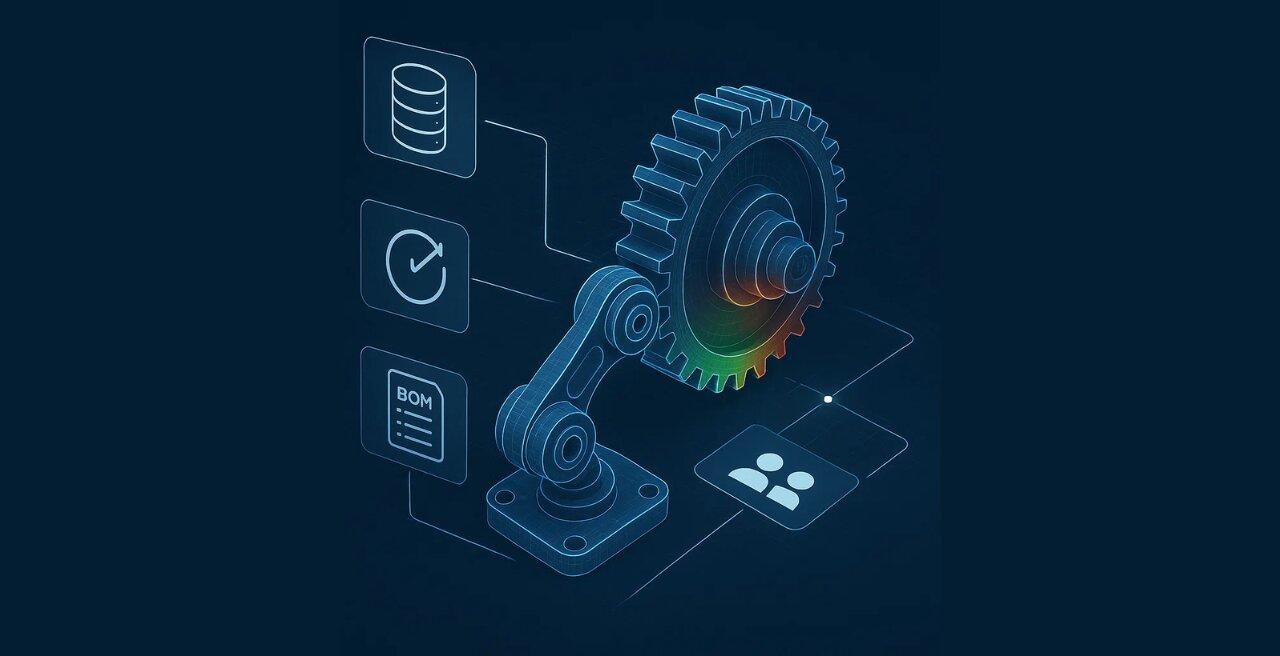
Managing a product from idea to retirement is never a straight line. Design revisions pile up. Suppliers change. Compliance requirements shift. Cross-team dependencies multiply all at once, all the time.
PTC Windchill PLM was built for exactly that kind of complexity. This guide covers what it actually does, which industries rely on it, and how to think about whether it fits your organisation.
PTC Windchill is a Product Lifecycle Management platform that centralises product data, processes, and team collaboration into a single system. Engineering, manufacturing, procurement, and quality teams all work from the same source of truth not scattered folders, email threads, or disconnected spreadsheets.At its core, Windchill manages:
It sees heavy use in aerospace, automotive, industrial equipment, medical devices, and electronics industries where product complexity is high and getting something wrong costs real money.
Windchill's PDM layer is where teams store and version-control their engineering files. CAD data from PTC Creo integrates natively, and the platform handles non-Creo formats through neutral file support. Every change is logged, every version is recoverable, and access controls keep sensitive files with the right people.
This alone removes one of the most common sources of engineering waste: teams building on drawings that are already out of date.
BOMs are where product complexity lives. Windchill handles multi-level BOMs across engineering, manufacturing, and service contexts each with different views and managed relationships. Changes propagate correctly rather than requiring manual corrections that often don't happen.
For companies managing configurable products, Windchill's variant and option management tools cut the overhead of maintaining hundreds of individual configurations.
Engineering change is one of the costlier processes in product development. Windchill formalises its routing change requests through defined approval chains, tracking impact assessments, and closing changes with full audit records.
Companies in regulated industries find this especially useful. The platform generates the documentation auditors ask for rather than requiring teams to reconstruct it after the fact.
PTC Windchill PLM connects tightly with PTC Creo for CAD data, and integrates with ERP systems like SAP and Oracle for downstream manufacturing and procurement. Engineering decisions flow into the systems procurement and production already use rather than staying siloed in the engineering department. For organisations evaluating Windchill implementation or Creo integration, the integration architecture is usually the most technically demanding part of the deployment.
The typical driver is not a single pain point. It is the accumulation of problems that come with scaling product complexity without a system to manage it:
Windchill addresses these systematically. Workarounds stop working at a certain scale that is usually the point when companies start looking seriously at PLM.
Medical device manufacturers and aerospace companies tend to see the fastest return from Windchill. Both operate under regulatory frameworks FDA 21 CFR Part 11, AS9100, ISO 13485 that require documented processes, version control, and change traceability. Windchill handles all of that natively.
Rather than trying to build compliance processes around a general-purpose document management system, regulated manufacturers get a PLM platform with those requirements designed in from the start. The difference in audit preparation time alone tends to justify the investment.
Windchill has traditionally been an on-premises deployment. PTC has been pushing Windchill+ (cloud-hosted) as the forward direction, which reduces infrastructure overhead and gets organisations onto updates faster.
The right choice depends on data residency requirements, IT infrastructure preferences, and how much custom configuration is needed. On-premises remains common in defence and aerospace, where data sovereignty is non-negotiable.
Windchill implementations are not plug-and-play. The platform is configurable to a degree that is genuinely useful, but that same configurability means implementation requires actual planning.
A typical deployment involves:
1. Requirements mapping: Which processes need to live in the system, and which should stay outside it
2. Data migration: Moving existing CAD, document, and BOM data into Windchill with correct structure
3. Integration setup: Connecting to ERP and CAD environments
4. User training: Engineers, change managers, quality teams, and admins all have different workflows
Working with an experienced implementation partner shortens this considerably. Organisations looking for PTC Windchill deployment support in India benefit from partners who understand both the technical configuration and the industry-specific process requirements.
A few patterns show up repeatedly in deployments that fall short of expectations:
• Scoping too broad at launch: Migrating everything into Windchill at once tends to stall. Phased rollouts by product line or business unit work better.
• Under-investing in data migration: Clean data going in matters more than most teams expect. Poorly structured historical data creates problems that outlast the implementation.
• Skipping structured training: Windchill has a real learning curve. Teams that skip it often revert to old habits within a few months.
• No change management owner: Someone needs to own the ECR/ECO process in the system, or it becomes an optional step rather than a controlled one.
Windchill makes the most sense for manufacturers with high product complexity, long product lifecycles, or compliance requirements. A small shop building a single product line probably has more infrastructure than it needs.
For mid-to-large manufacturers managing multiple product families, global supply chains, or regulated products, it addresses the problems that spreadsheets and shared drives cannot. The question is usually not whether PLM is the right direction, but whether the organisation is ready to invest in implementing it properly.
PTC Windchill PLM gives engineering-driven companies a controlled environment for managing what they buildfrom first design through manufacturing, service, and end-of-life. When deployed well, it reduces cross-team friction, makes compliance auditable, and gives leadership visibility into the product portfolio that email and file servers never could.
If you are evaluating Windchill for your organisation, talking to an implementation partner before you have made infrastructure decisions tends to save significant time and cost later. Creotek India is one of the companies that provides implementation and consulting services to help businesses deploy and optimize Windchill effectively.