English
 Arabic
 French
 Spanish
 Portuguese
 Deutsch
 Turkish
 Dutch
Dutch
 Italiano
 Russian
 Romaian
 Portuguese (Brazil)
 Greek
Greek
How Technological Innovation Is Transforming the Low VOC Paint Sector
Other |
2026-08-05 10:37:48
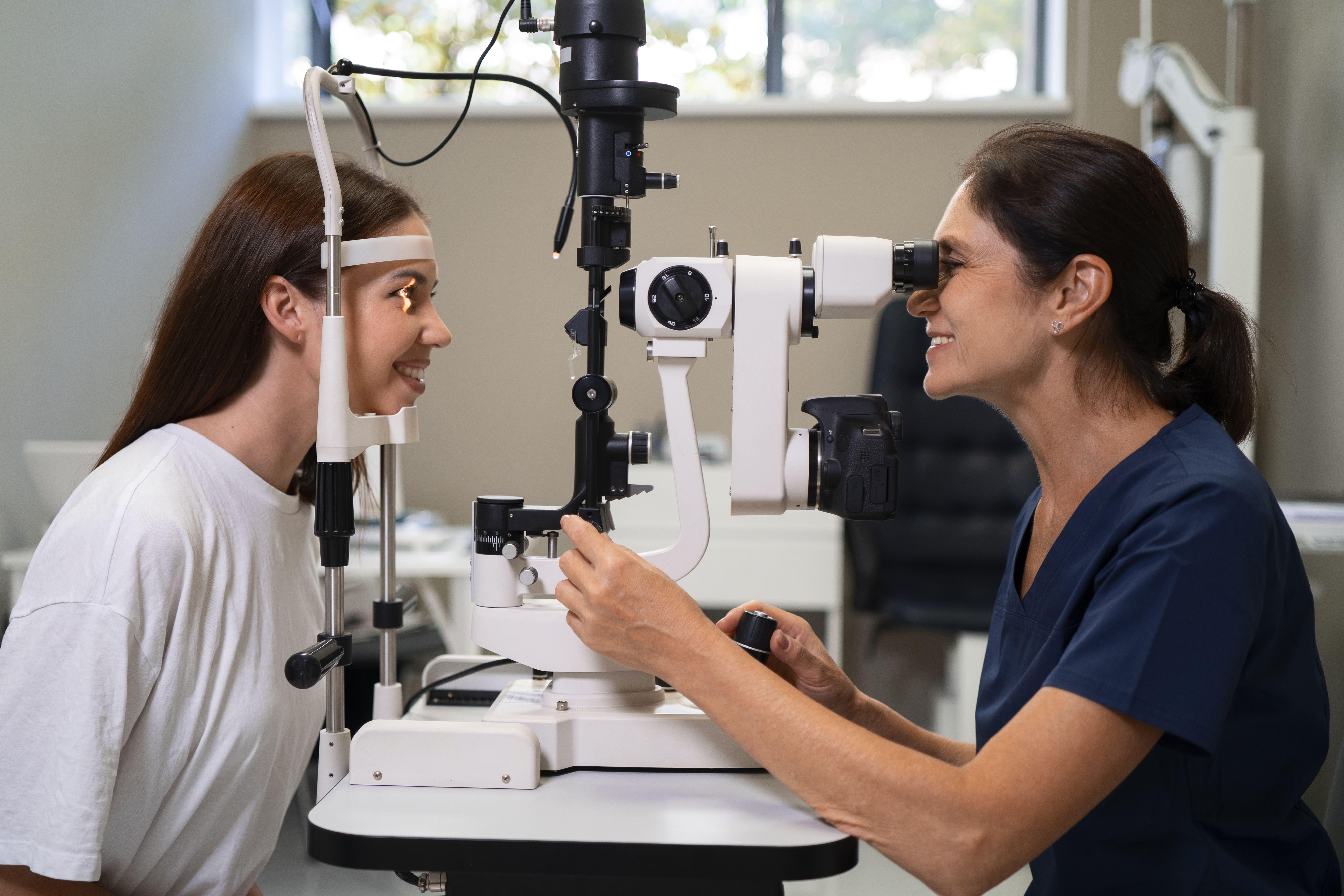
Maintaining healthy vision throughout life depends on more than simply correcting refractive errors. While glasses and contact lenses improve visual clarity, they cannot identify the underlying eye conditions that may gradually threaten vision. Modern ophthalmology emphasizes accurate eye assessment because early diagnosis is one of the most effective ways to preserve long-term ocular health.
Many eye diseases develop silently, causing structural changes long before patients notice blurred vision or discomfort. By the time symptoms become apparent, treatment may become more complicated and recovery more challenging. Comprehensive eye assessments help clinicians recognize these hidden changes early, allowing prompt intervention before permanent damage occurs.
Advancements in diagnostic technology have made eye examinations more detailed and reliable than ever before. High-resolution visualization, systematic clinical evaluation, and structured diagnostic workflows enable eye care professionals to identify subtle abnormalities with exceptional accuracy. These advances play a central role in protecting vision and improving patient outcomes.
Clear eyesight is often mistaken as a sign of healthy eyes. However, many ocular conditions progress without affecting vision during their early stages. Patients may continue to read, drive, and perform daily activities normally while disease slowly develops.
Accurate eye assessment evaluates much more than visual acuity. It includes careful examination of important structures such as:
A complete evaluation provides clinicians with valuable information about the overall health of the eye rather than focusing only on vision correction.
Early diagnosis remains one of the greatest advantages of comprehensive eye assessment. Identifying disease before symptoms appear allows clinicians to begin treatment at a stage when it is often most effective.
Early detection helps:
Routine examinations play an essential role in identifying conditions before they begin affecting everyday life.
Modern ophthalmology depends on precise clinical information. Small structural abnormalities can provide important clues about developing ocular disease, making careful examination essential.
Accurate assessment allows clinicians to:
Better diagnostic precision leads to better treatment decisions and improved patient care.
Preventive healthcare has become an important focus across all medical specialties, including ophthalmology. Rather than waiting for symptoms to appear, clinicians increasingly rely on routine examinations to identify hidden disease.
Preventive eye assessments may reveal:
Detecting these findings early significantly improves long-term vision protection.
Technological innovation has transformed the quality of ophthalmic examinations. Modern diagnostic instruments provide detailed visualization that supports earlier diagnosis and more confident clinical decision-making.
Advanced technology offers several important advantages:
These improvements allow clinicians to identify subtle abnormalities that may not be visible during basic eye examinations.
The quality of ophthalmic equipment directly influences diagnostic accuracy. Reliable diagnostic systems allow clinicians to perform consistent evaluations while maintaining high standards of patient care.
Companies such as Matronix Optotechnik provide advanced ophthalmic diagnostic solutions designed to support comprehensive anterior segment evaluations. Their equipment enables eye care professionals to perform detailed clinical examinations, improve diagnostic confidence, enhance workflow efficiency, and support accurate treatment planning through reliable visualization of delicate ocular structures.
High-quality diagnostic equipment serves as an important foundation for modern ophthalmic practice.
Many important ocular abnormalities can only be detected through careful observation of the anterior structures of the eye. Detailed examination allows clinicians to identify subtle changes that could otherwise remain unnoticed.
During evaluation, practitioners assess:
During a comprehensive Slit Lamp Examination, clinicians carefully inspect the cornea, conjunctiva, iris, lens, and anterior chamber under magnified illumination, enabling them to detect early structural abnormalities that support accurate diagnosis and timely treatment planning before vision becomes affected.
This level of precision significantly improves the likelihood of detecting disease during its earliest stages.
Many eye conditions require regular observation rather than immediate intervention. Establishing baseline examination findings allows clinicians to compare future assessments and recognize gradual changes over time.
Long-term monitoring supports:
Consistent follow-up examinations remain essential for maintaining lifelong eye health.
Patient education is an important part of accurate eye assessment. When patients understand the purpose of comprehensive examinations, they become more likely to attend routine appointments and seek professional care when symptoms develop.
Education encourages:
An informed patient is better prepared to protect long-term vision.
Ophthalmology continues to evolve through rapid technological advancement. Emerging diagnostic systems will further improve the speed, accuracy, and consistency of clinical evaluations.
Future innovations may include:
These developments will continue strengthening preventive ophthalmology while improving patient outcomes.
Accurate eye assessment is fundamental to protecting long-term vision because it enables early disease detection, supports precise diagnosis, guides personalized treatment, and facilitates continuous monitoring. Comprehensive examinations combined with advanced diagnostic technology help clinicians identify subtle abnormalities before they progress into serious vision-threatening conditions. As modern ophthalmology continues to advance, detailed eye assessment will remain one of the most effective strategies for preserving healthy vision and delivering high-quality patient care.