English
 Arabic
 French
 Spanish
 Portuguese
 Deutsch
 Turkish
 Dutch
Dutch
 Italiano
 Russian
 Romaian
 Portuguese (Brazil)
 Greek
Greek
Passport Registration for Minors: Rules and Requirements
Other |
2026-04-27 12:41:05
For decades, the wristwatch served a single, straightforward purpose: telling time. It was a functional accessory, a statement of style, and occasionally a family heirloom. But the past few years have witnessed a profound transformation in what we strap to our wrists. The traditional timepiece has evolved into something far more significant—a sophisticated companion that quietly monitors, analyzes, and guides us through our daily lives. This is the era of the health watch, a device that has transcended its origins to become an essential tool for modern living.
The shift from simple timekeeping to comprehensive wellness tracking didn't happen overnight. It was driven by a confluence of technological advancements, growing health awareness, and a collective desire to take greater control over personal well-being. What began as basic step counters has blossomed into an ecosystem of sensors and algorithms capable of painting a detailed picture of our physiological state. Today, a health watch is not just about counting steps; it is about understanding the intricate rhythms of the human body.
The contemporary health watch represents a departure from the fitness trackers of the past. While those early devices were useful for motivating movement, they offered a narrow view of health. Modern smartwatches have expanded their purview to include a wide array of metrics that provide a holistic view of wellness. They monitor sleep architecture, distinguishing between deep, light, and REM sleep to help users understand the quality of their rest. They track heart rate variability (HRV), a key indicator of stress and recovery, offering insights into the body's autonomic nervous system.
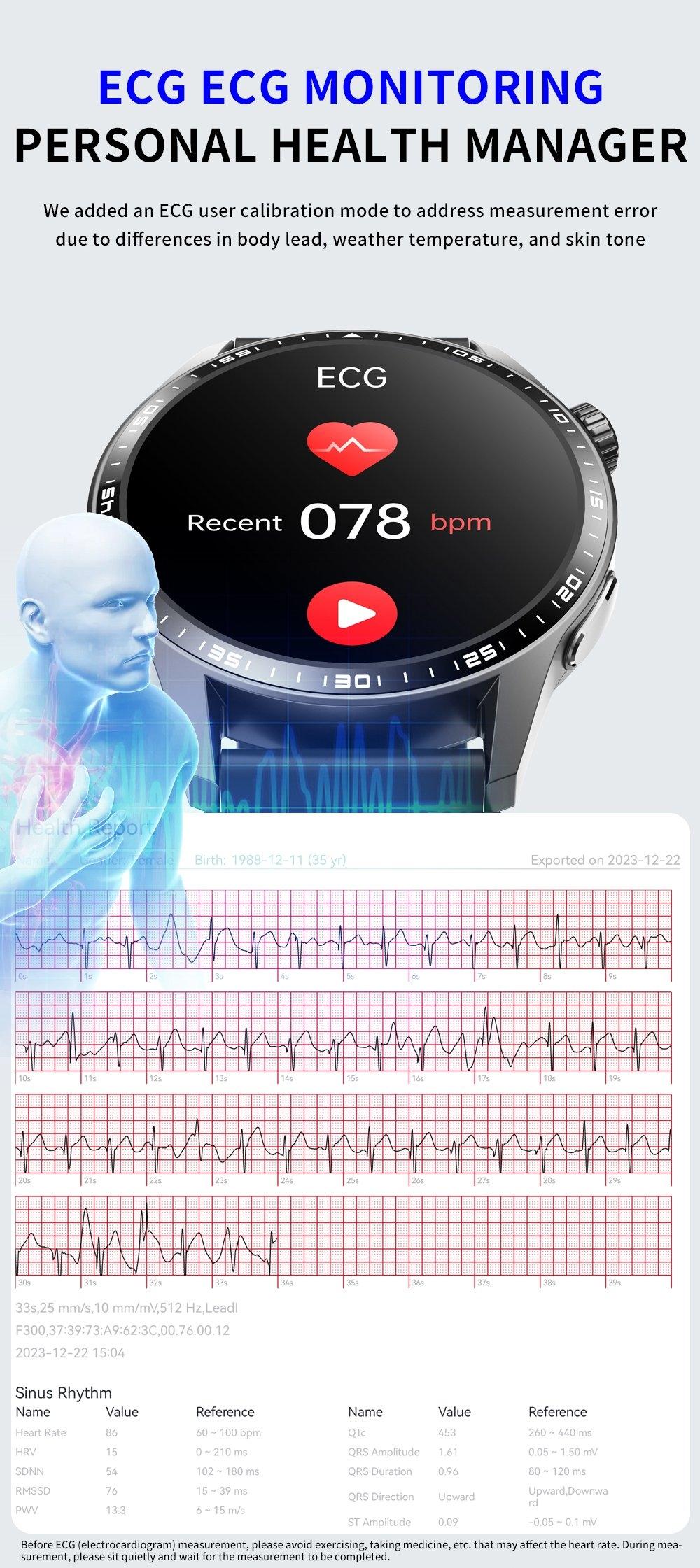
These devices have become particularly valuable for those looking to understand their cardiovascular health. Many models now incorporate electrocardiogram (ECG) capabilities, allowing users to take a medical-grade reading of their heart's electrical activity directly from their wrist. This feature, once confined to clinical settings, empowers individuals to detect potential irregularities like atrial fibrillation early, prompting timely consultation with healthcare professionals. The ability to monitor blood pressure non-invasively is another significant leap forward, with newer models integrating this capability to provide a more complete cardiovascular profile.
Furthermore, the role of a health watch in managing chronic conditions is becoming increasingly prominent. For individuals concerned about metabolic health, certain devices now offer non-invasive blood glucose monitoring, providing a window into how diet, exercise, and stress affect blood sugar levels. This continuous stream of data can be invaluable for making informed lifestyle adjustments. The integration of such advanced sensors signifies a move from reactive healthcare to proactive health management, where the wearer is an active participant in their own wellness journey.
The true power of a modern health watch is unlocked through its seamless integration with a dedicated application ecosystem. The hardware on the wrist is only half the story; the software that processes, visualizes, and interprets the raw data is what transforms numbers into actionable insights. A well-designed companion app serves as the central hub for all health information, presenting complex biometric data in a clear, readable format that is easy to understand.
These applications do more than just log data; they analyze it to identify patterns and trends over time. By aggregating data from various sensors—heart rate, sleep, activity, and more—the app can build a comprehensive profile of the user's health. This allows individuals to see how their lifestyle choices impact their well-being. For instance, one might notice a correlation between poor sleep quality and elevated resting heart rate, or between a stressful week and decreased heart rate variability. This level of insight fosters a deeper connection between daily actions and overall health outcomes.
The ecosystem also facilitates goal setting and progress tracking. Users can establish daily targets for steps, sleep duration, or active minutes, and the app provides real-time feedback on their progress. This gamification of health can be a powerful motivator, encouraging consistent engagement with one's wellness goals. The ability to review historical data and observe long-term trends is equally important, providing a sense of accomplishment and a clear picture of one's health trajectory.
The utility of a health watch extends far beyond the gym or the doctor's office. It has become an integral part of daily life, enhancing convenience and connectivity. The ability to receive call reminders, message notifications, and app alerts directly on the wrist reduces the need to constantly check a smartphone, allowing for a more focused and present experience. This seamless connectivity ensures that users stay informed without being tethered to their devices.
For those who lead active lifestyles, the health watch is an indispensable training partner. It automatically tracks a wide variety of activities, from running and cycling to swimming and yoga, providing detailed metrics on distance, pace, calories burned, and more. This data allows athletes and fitness enthusiasts to fine-tune their training, monitor their progress, and push their limits safely. The watch's ability to map routes via GPS and analyze performance metrics transforms it from a simple tracker into a sophisticated coach.
Moreover, the health watch has found a role in promoting workplace wellness. Features like sedentary reminders encourage users to stand and move periodically, combating the negative health effects of prolonged sitting. This gentle nudge can help improve circulation, reduce fatigue, and boost overall productivity. The integration of stress monitoring features also provides a valuable tool for managing the pressures of modern life. By alerting users to periods of high stress, the watch encourages them to engage in mindfulness or relaxation techniques, fostering better mental and emotional well-being.
For a health watch to be truly effective, it must be worn consistently. This places a premium on design and comfort. Modern smartwatches have shed the bulky, utilitarian aesthetic of their predecessors in favor of sleek, stylish designs that can be worn in any setting—from the office to a formal event. With customizable watch faces and interchangeable bands, users can personalize their device to match their individual style, ensuring it remains a welcome accessory rather than an obtrusive gadget.
Durability is another critical factor. A health watch is designed to be worn through all of life's activities, from intense workouts to daily commutes. Water resistance is a standard feature, ensuring the device can handle sweat, rain, and even swimming sessions without issue. The use of robust materials like reinforced glass and durable alloys ensures that the watch can withstand the bumps and knocks of daily use, maintaining its functionality and appearance over time.
Furthermore, battery life has become a key consideration for users. The inconvenience of daily charging is a significant barrier to consistent use. Modern devices are designed to offer extended battery life, with some models lasting several weeks on a single charge. This means users can wear their health watch continuously, tracking sleep overnight without worrying about the battery dying, and only needing to charge it during brief periods of downtime. This continuous monitoring is essential for capturing the comprehensive data that makes these devices so valuable.
The trajectory of the health watch industry points toward even greater integration and sophistication. As sensor technology continues to advance, we can expect devices to become even more accurate and capable of monitoring an even wider range of health metrics. The future may see watches that can non-invasively track hydration levels, lactate thresholds, and even early markers of disease. This evolution will further blur the lines between consumer electronics and medical devices.
There is also a growing emphasis on personalized insights. The vast amount of data collected by a health watch is being leveraged to provide not just raw numbers, but meaningful guidance. The goal is to move beyond simple tracking to proactive coaching, where the device offers tailored recommendations to improve sleep, manage stress, and optimize fitness. This shift from passive data collection to active health management represents the next frontier for wearable technology.
Moreover, the integration of a health watch with the broader healthcare ecosystem holds immense promise. As these devices become more clinically validated, the data they generate could be shared with healthcare providers to support diagnosis, treatment, and remote patient monitoring. This could lead to more personalized and efficient care, empowering both patients and doctors with a continuous stream of real-world health data. The health watch is poised to become a central component of a more connected, patient-centric healthcare system.
The evolution of the wristwatch into a comprehensive health watch is a testament to the power of technology to improve our lives. These devices have moved beyond simple timekeeping to become indispensable tools for understanding and managing our health. They offer a window into our bodies that was previously unavailable, providing insights that can motivate us to live healthier, more active lives. The journey of the health watch is just beginning, and as technology continues to advance, its role in our daily wellness routines will only become more profound.