English
 Arabic
 French
 Spanish
 Portuguese
 Deutsch
 Turkish
 Dutch
Dutch
 Italiano
 Russian
 Romaian
 Portuguese (Brazil)
 Greek
Greek
Tapout A Brand That Carries the Fighter’s Mindset
Shopping |
2026-03-06 06:20:29
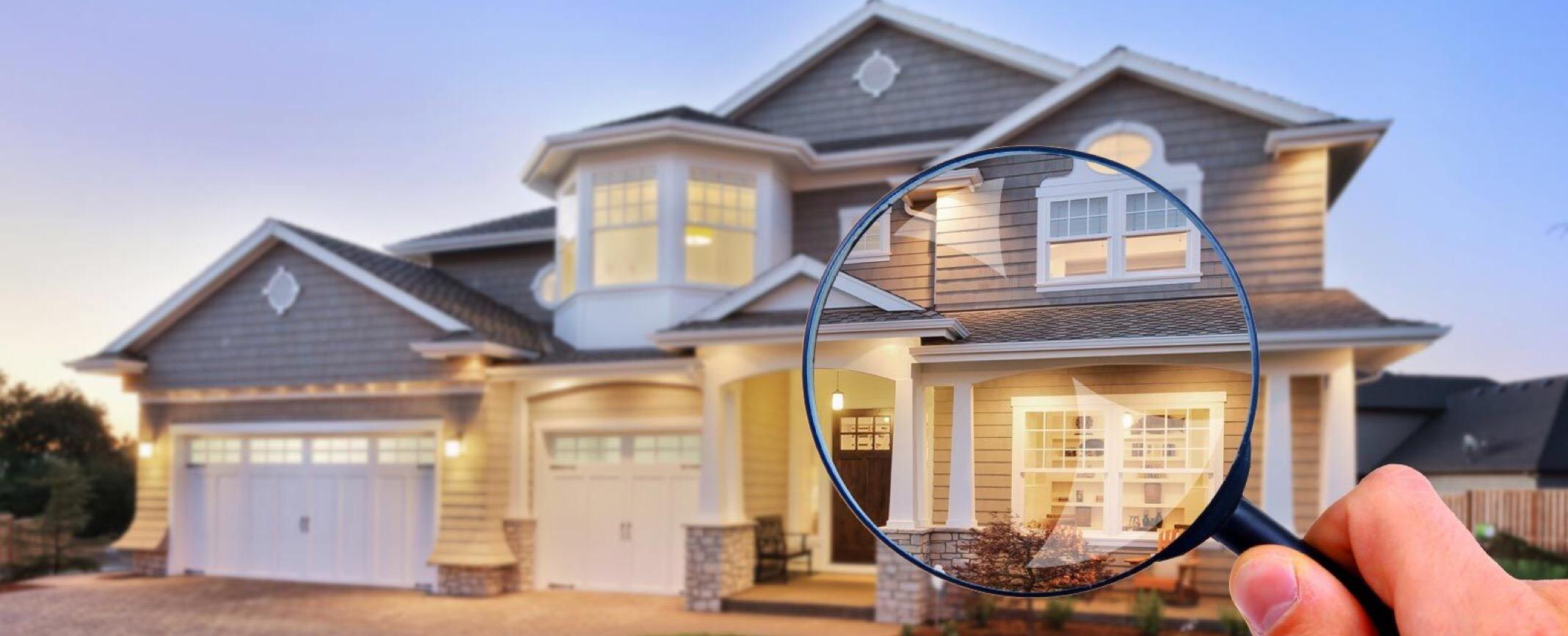
If you are searching for home inspections cost, you are likely trying to understand whether the price is justified and how much you should realistically budget before buying a property. This is one of the most important steps in the home-buying journey, yet it is often misunderstood.
A home inspection is not just a service fee—it is a risk assessment that helps you avoid costly surprises after purchase. Without it, buyers are essentially making a major financial decision blind to hidden issues.
At HIPWEX, we see every day how inspections influence buying decisions. Some clients discover minor issues they can easily manage, while others uncover problems that completely change their investment plans.
This guide explains home inspection pricing in detail, what affects it, and why it matters far more than most buyers realize.
The home inspections cost depends on property type, size, and complexity. In most Canadian real estate markets, including British Columbia, the typical ranges are:
Condos / apartments: CAD $300 – $450
Standard detached homes: CAD $400 – $750
Large or older homes: CAD $700 – $1,200+
Commercial properties: Custom pricing based on size and systems
These figures represent general market averages. However, the value of an inspection is not defined by the price alone, but by what is included in the evaluation and how detailed the findings are.
There is no fixed price because every property requires a different level of inspection effort. Several factors influence the final cost.
A larger home has more rooms, systems, and exterior areas to evaluate. This increases inspection time and complexity.
Older properties often have outdated systems or hidden issues that require deeper inspection and more technical assessment.
A well-maintained home is quicker to inspect than one showing signs of damage, leaks, or structural wear.
Basic inspections focus on general systems, but many buyers request additional services such as:
Roof evaluation
Moisture and mold testing
Thermal imaging
Sewer scope inspection
Energy efficiency analysis
Each added service increases the total cost but also improves accuracy.
Highly experienced inspectors often charge more because they provide more accurate assessments, better reporting, and deeper insights.
At HIPWEX, inspections are conducted by certified professionals with over 15 years of experience in residential and commercial inspections.
When people think about inspection pricing, they often imagine a quick visual check. In reality, a professional inspection is a structured and detailed evaluation of the property.
A standard inspection typically includes:
Foundation condition
Roof structure
Walls, ceilings, and flooring
Signs of movement or damage
Electrical panel inspection
Wiring safety checks
Circuit testing
Fire hazard identification
Pipe condition and leaks
Water pressure and drainage
Hot water system evaluation
Furnace condition
Air conditioning systems
Ventilation performance
Windows and doors
Insulation quality
Exterior walls and siding
Drainage and grading
With HIPWEX, clients also receive a clear, detailed digital report within 24 hours, helping them make fast and informed decisions.
Even though some buyers hesitate at first, a home inspection is one of the most cost-effective steps in the entire buying process.
Small issues like leaks or wiring faults can turn into major repair costs after purchase.
Inspection findings can help buyers negotiate a lower price or request repairs before closing.
Knowing the true condition of the property helps you plan future expenses more accurately.
Inspections help identify hazards that could affect the safety of the home.
In many cases, the inspection cost is far less than the potential savings it provides.
Many buyers misunderstand what they are paying for. Here are some common myths:
Low-cost inspections may lack detail or thorough reporting.
Even newly built homes can have construction defects or incomplete work.
While technically optional, skipping an inspection increases financial risk significantly.
Experience, tools, and reporting quality vary widely between providers.
When evaluating inspection services, do not focus only on home inspections cost. Instead, consider:
Certification and licensing
Years of experience
Report clarity and detail
Communication and support
Local knowledge of building standards
A good inspector not only identifies problems but also explains what they mean in practical terms.
At HIPWEX, the goal is to ensure clients fully understand the condition of their property before making a decision.
Understanding home inspections cost is not just about knowing the price—it is about understanding the value behind the service.
A home inspection is a small investment that protects you from potentially large financial losses. It gives you clarity, reduces risk, and helps you make confident property decisions.
While prices vary depending on property size and complexity, the benefits consistently outweigh the cost.
With experienced professionals and fast, detailed reporting, HIPWEX helps buyers make informed, safe, and confident real estate decisions.