English
 Arabic
 French
 Spanish
 Portuguese
 Deutsch
 Turkish
 Dutch
Dutch
 Italiano
 Russian
 Romaian
 Portuguese (Brazil)
 Greek
Greek
Tea Bag Packaging Market Size, Share, Demand Analysis Report [2035]
Other |
2026-03-19 09:31:02
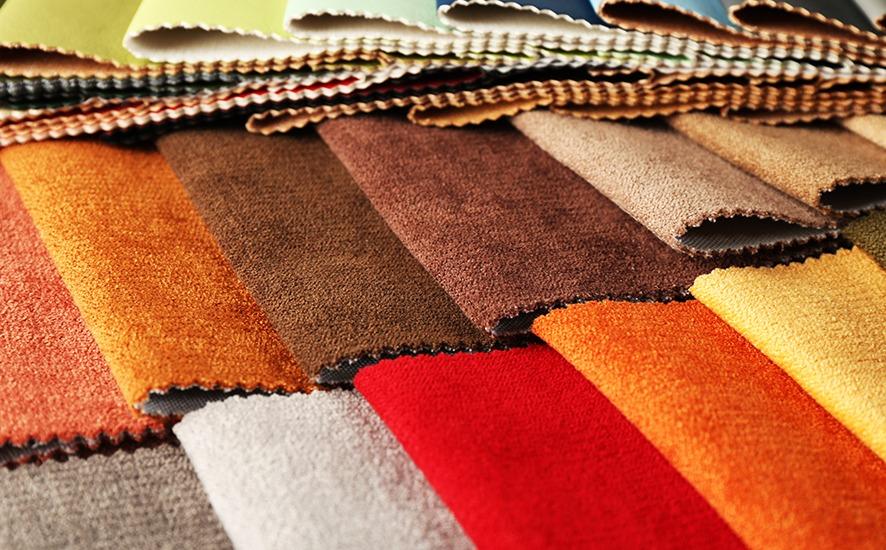
When you’re redecorating or simply giving your furniture a fresh look, one of the most important decisions you’ll face is choosing the right upholstery fabric. But here’s the thing: it’s not just about what looks good. You’ll want durability, comfort, and practicality wrapped into a fabric that matches your lifestyle. So, how do you find the best upholstery fabric for your space? Let’s dive in.
When people ask, “What’s the best upholstery fabric?” the truth is—it depends. The “best” isn’t a one-size-fits-all answer. It varies based on how you live, where the furniture will go, and the vibe you want to create.
For instance, if you’ve got kids and pets, your “best” fabric will be stain-resistant, durable, and easy to clean. If you’re designing a chic living room for adults, luxury fabrics like velvet or silk might steal your heart. In other words, the best upholstery fabric balances your needs with your style.
Many people underestimate how much fabric influences their daily comfort. Sure, a couch frame matters, but let’s be honest—what you actually feel is the fabric. Imagine sinking into soft linen on a hot day versus sticking to leather in the same heat. Big difference, right?
On top of comfort, fabric plays a huge role in:
Longevity: Durable fabrics extend the life of your furniture.
Aesthetics: Fabrics can make or break the room’s design.
Maintenance: Easy-care fabrics save time and stress.
So, when you choose wisely, you’re investing in both style and practicality.
Natural fabrics are timeless and often breathable, making them comfortable and eco-friendly. Here are some popular picks:
Cotton: Affordable, soft, and available in endless patterns. Downside? It stains easily.
Linen: Great for casual, airy interiors. However, it wrinkles quickly.
Wool: Warm, cozy, and naturally stain-resistant. But it may feel heavy in warmer climates.
Silk: Luxurious and elegant, though delicate and best suited for formal spaces.
If you’re eco-conscious, natural fibers might be your top choice since many are biodegradable and sustainable.
Synthetic fabrics are engineered to solve problems like staining, durability, and fading. Common examples include:
Polyester: Highly durable, fade-resistant, and budget-friendly.
Nylon: Strong and elastic but often blended with other fabrics for balance.
Acrylic: Mimics wool but resists fading and staining.
Olefin: Perfect for heavy-use furniture and even outdoor spaces.
Synthetics often outperform natural fibers in practicality, especially for family-friendly or pet-friendly households.
Your sofa is usually the centerpiece of the living room. So, what’s the best upholstery fabric for it? Consider these points:
For everyday use: Go with microfiber or cotton blends. They’re easy to clean.
For luxury appeal: Velvet or leather adds a statement feel.
For pets: Look into tightly woven fabrics or leather that resists scratches.
In short, the sofa fabric should balance comfort, looks, and resilience because it’s likely the most-used piece of furniture in your home.
Chairs and dining furniture face a different challenge: they’re used frequently but for shorter periods. That means you need something that resists stains and handles wear.
Dining chairs: Opt for stain-resistant fabrics like microfiber or treated cotton.
Accent chairs: This is where you can go bold—think silk, velvet, or patterned linen.
The key is function. If food spills are common, go practical. If the chair’s decorative, feel free to take risks.
Ever heard of the “Martindale rub test”? It measures how many times a fabric can be rubbed before it wears out. For heavy-use furniture, aim for 15,000+ rubs.
As for cleaning, check if the fabric has removable covers, stain guards, or water resistance. Some fabrics, like microfiber, can handle spot cleaning with just soap and water, while others need professional cleaning.
Let’s be real—a fabric might be durable, but if it looks dated, you won’t love it. Here’s where color, pattern, and texture come into play:
Color: Neutral tones are timeless, but bold colors create focal points.
Pattern: Stripes, florals, or geometrics can add personality.
Texture: Smooth fabrics like silk feel refined, while textured fabrics like chenille feel cozy.
The best upholstery fabric will harmonize with your existing décor while still making a statement.
Price often narrows down choices. Here’s a quick table to compare:
| Fabric Type | Average Price Range | Pros | Cons |
|---|---|---|---|
| Cotton | $10–$30/yard | Affordable, versatile | Stains easily |
| Linen | $20–$50/yard | Breathable, stylish | Wrinkles, delicate |
| Velvet | $50–$150/yard | Luxurious, soft | Expensive, hard to clean |
| Polyester | $15–$40/yard | Durable, easy-care | Can feel less “natural” |
| Leather | $80–$200/yard | Durable, timeless | Pricey, heat sensitive |
Balancing budget and long-term value is crucial. Sometimes, paying more upfront saves money in the long run.
Here’s a quick checklist when shopping:
Test fabric swatches at home under natural and artificial light.
Consider who will use the furniture most (kids, pets, guests).
Check cleaning instructions before you commit.
Think about long-term trends versus fleeting styles.
When in doubt, consult with a professional upholsterer or interior designer. Their expertise can help you avoid costly mistakes.
What’s the most durable upholstery fabric?
Microfiber and leather are considered the most durable, especially for high-traffic areas.
Which upholstery fabric is easiest to clean?
Microfiber and polyester blends are usually the easiest since they resist stains and can be wiped clean.
Is velvet a good choice for upholstery?
es, but only if you don’t mind the upkeep. Velvet is elegant but requires regular care.
What’s the best upholstery fabric for pets?
Leather and tightly woven synthetics like olefin are pet-friendly and easy to maintain.
Can I mix different upholstery fabrics in one room?
Absolutely. Mixing fabrics can create depth and interest, as long as the colors and textures complement each other.
Choosing the best upholstery fabric isn’t just about following trends. It’s about blending practicality with personality. From cotton to velvet, and from natural fibers to synthetics, every fabric has its place. The trick is matching the material to your lifestyle, your budget, and your design vision.
So, whether you’re furnishing a cozy apartment or a grand living room, remember—fabric isn’t just what you see. It’s what you live with every day. Choose wisely, and your furniture will not only look beautiful but also stand the test of time.