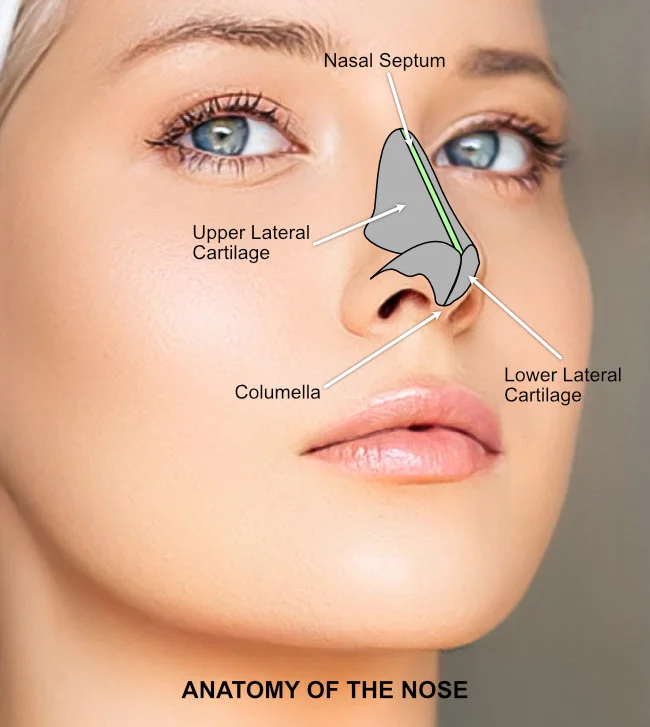
Nasal breathing problems are common and can affect sleep, daily activities, exercise, and overall comfort. Many people experience ongoing nasal blockage because of allergies, infections, enlarged tissues, or structural issues inside the nose. Since different conditions require different solutions, patients often wonder which treatment option is the most effective.
For individuals with a deviated septum, Septoplasty in Islamabad may provide a more permanent solution compared with treatments that only manage symptoms temporarily. However, the best treatment depends on the actual cause of nasal problems.
This article compares septoplasty with other common nose treatments, explains their differences, and helps you understand when surgery may be a better option.
Understanding Nasal Problems and Their Causes
Before choosing any treatment, it is important to understand why nasal blockage occurs.
Common causes include:
- Deviated septum
- Allergies
- Nasal swelling
- Sinus problems
- Nasal polyps
- Enlarged turbinates
- Previous nasal injuries
Some conditions respond well to medication, while others require structural correction. A proper diagnosis from an ENT specialist helps determine the most suitable approach.
What Is Septoplasty?
Septoplasty is a surgical procedure designed to correct a deviated nasal septum.
The septum is the wall of cartilage and bone that separates the two nasal passages. When it is bent or displaced, it can restrict airflow and create breathing difficulties.
During septoplasty, the surgeon reshapes or repositions the septum to improve airflow through the nose. The procedure focuses on improving nasal function rather than changing the external appearance of the nose.
Septoplasty vs Nasal Sprays
Nasal sprays are commonly used to manage congestion caused by allergies, inflammation, or temporary nasal swelling.
Benefits of Nasal Sprays:
- Easy to use
- Non-surgical
- Can reduce inflammation
- Helpful for allergy-related symptoms
Limitations:
- They do not straighten a deviated septum.
- Results are usually temporary.
- Long-term overuse of certain sprays may cause problems.
If nasal blockage is caused by a structural issue, medication may provide only short-term relief. In such cases, septoplasty addresses the actual cause of the problem.
Septoplasty vs Allergy Treatments
Allergy treatments focus on controlling the body's reaction to allergens.
Common allergy treatments include:
- Antihistamines
- Allergy sprays
- Lifestyle adjustments
- Allergy testing
These options can be very effective for patients whose symptoms are caused by allergies.
However, allergies do not change the position of the nasal septum. If a patient has both allergies and a deviated septum, treating only the allergy may not fully improve breathing.
Septoplasty vs Turbinate Reduction
Turbinates are structures inside the nose that help warm and filter air. When they become enlarged, they can block airflow.
Turbinate reduction reduces the size of enlarged turbinates to create more space inside the nasal passages.
Turbinate Reduction May Help With:
- Nasal swelling
- Enlarged nasal tissues
- Chronic congestion
However, if the main problem is a crooked septum, turbinate reduction alone may not provide complete relief.
In some cases, doctors perform septoplasty and turbinate reduction together for better results.
Septoplasty vs Rhinoplasty
Although both procedures involve the nose, they serve different purposes.
Septoplasty:
- Improves breathing
- Corrects internal nasal structure
- Treats a deviated septum
- Focuses on function
Rhinoplasty:
- Changes the external appearance of the nose
- Addresses cosmetic concerns
- May also improve some breathing issues
Some patients choose a combination of both procedures if they want functional improvement along with cosmetic changes.
When Is Septoplasty a Better Option?
Septoplasty may be the preferred choice when nasal blockage is caused by a structural problem that cannot be corrected with medication.
It may be suitable for people who experience:
- Constant nasal obstruction
- Difficulty breathing through one side of the nose
- Frequent sinus infections
- Snoring due to nasal blockage
- Breathing problems after nasal injury
- Symptoms that continue despite medical treatment
The procedure provides a long-term solution by correcting the physical cause of obstruction.
Benefits of Septoplasty
When performed for the right reasons, septoplasty offers several advantages.
Long-Term Improvement
Unlike medications that temporarily reduce symptoms, septoplasty corrects the underlying structural problem.
Better Breathing
A straighter septum allows air to move more freely through both nasal passages.
Improved Sleep
Better airflow can reduce snoring caused by nasal obstruction and support more comfortable sleep.
Reduced Nasal Congestion
Patients often experience fewer problems with chronic blockage after recovery.
Enhanced Quality of Life
Breathing comfortably can improve energy levels, physical activity, and daily comfort.
Are There Any Limitations?
Although septoplasty is highly effective, it is not suitable for every nasal problem.
The procedure may not completely resolve symptoms caused by:
- Severe allergies
- Chronic sinus disease
- Sleep apnea
- Other airway problems
A detailed examination is necessary to determine whether septoplasty will provide the expected benefits.
Recovery Compared With Other Treatments
One major difference between septoplasty and non-surgical treatments is the recovery period.
Medications usually require ongoing use, while septoplasty involves a recovery phase followed by long-term improvement.
After surgery, patients may experience:
- Mild swelling
- Temporary congestion
- Minor discomfort
- Slight bleeding
Most people return to normal activities within one to two weeks, while complete internal healing continues over several months.
Choosing the Right Treatment
The best treatment depends on the cause of your nasal problem.
A specialist may recommend:
- Medication for allergies
- Lifestyle changes for environmental triggers
- Nasal treatments for inflammation
- Septoplasty for structural blockage
A personalized evaluation ensures that patients receive the most effective solution for their condition.
Why Professional Evaluation Matters
Self-diagnosing nasal problems can lead to ineffective treatment.
An ENT specialist can examine the nasal passages, identify the exact cause of blockage, and recommend the most appropriate option.
Factors considered include:
- Severity of symptoms
- Nasal structure
- Medical history
- Previous treatments
- Overall health
This approach improves the chances of successful treatment outcomes.
Final Thoughts
Whether Septoplasty in Islamabad is better than other nose treatments depends on the cause of your breathing problems. For patients with a deviated septum, septoplasty often provides a more permanent solution compared with treatments that only control symptoms temporarily.
While medications and other procedures are effective for certain conditions, septoplasty remains one of the most reliable options for correcting structural nasal blockage. A proper diagnosis from an experienced ENT specialist is the key to choosing the right treatment.
If you are considering Septoplasty in Islamabad, Enfield Royal Clinics provides expert ENT consultations, advanced surgical techniques, and personalized treatment plans to help patients achieve improved breathing and long-lasting nasal comfort.
 English
 Arabic
 French
 Spanish
 Portuguese
 Deutsch
 Turkish
 Dutch
Dutch
 Italiano
 Russian
 Romaian
 Portuguese (Brazil)
 Greek
Greek