English
 Arabic
 French
 Spanish
 Portuguese
 Deutsch
 Turkish
 Dutch
Dutch
 Italiano
 Russian
 Romaian
 Portuguese (Brazil)
 Greek
Greek
How Data-Driven Strategies Are Revolutionizing the Pharmaceutical Advertising Landscape in Germany
Health |
2026-07-10 05:15:06
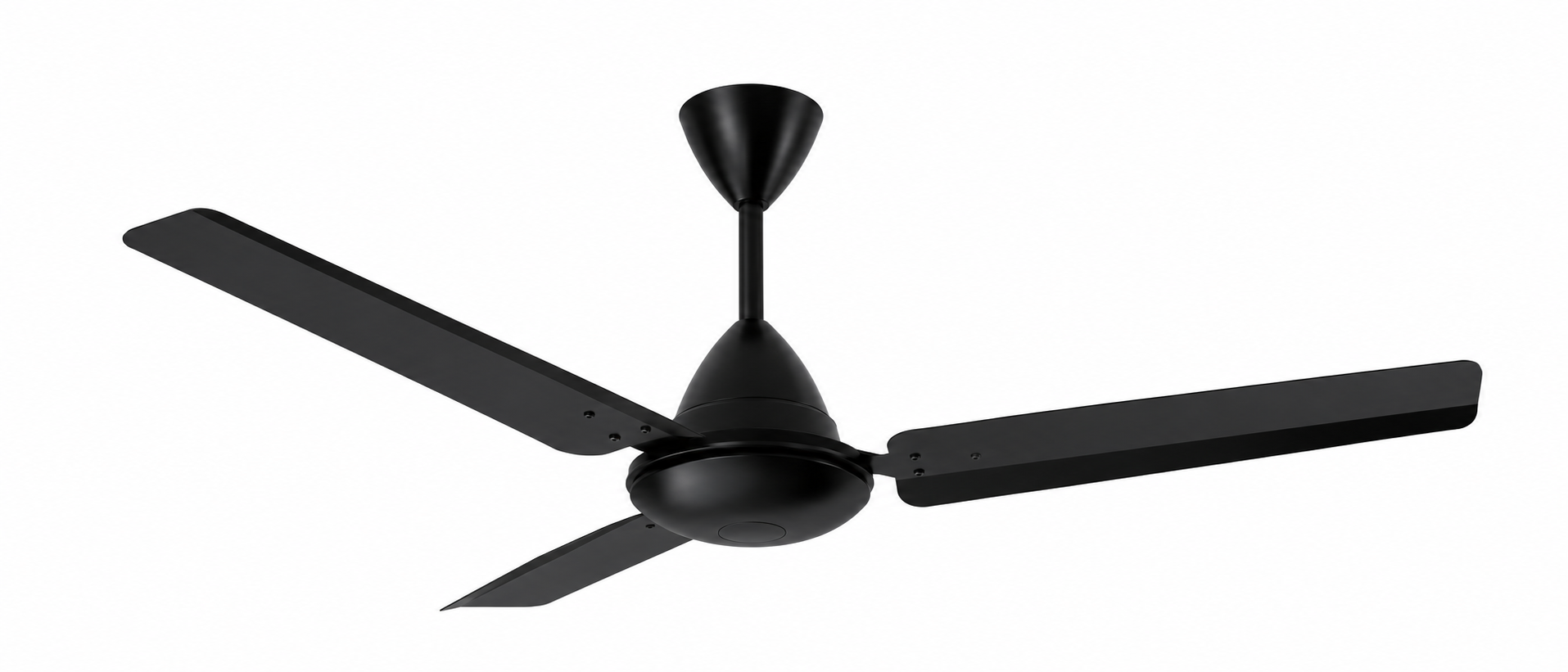
Because the sample ree weeks later, the cartons arrived with mixed remotes, colour variation and no written defect policy. That is the real difference between purchasing a BLDC Ceiling Fan and properly qualifying its manufacturer.
For wholesalers, procurement managers and brand owners, wattage alone is not enough. Reliable sourcing depends on specification control, certification mapping, production-batch consistency, packaging standards and clear complaint handling. A weak supplier can still produce an impressive sample. The problem usually appears after the purchase order is released.
Nobody tells you that supplier discipline matters as much as motor technology.
Terms such as “high speed” and “power saving” have little value on a quotation. Ask for measurable figures.
Selected Rotex models, including the PHI and Amaze, list a 1200 mm sweep, three blades, 32 W power consumption, 120–290 V input range, 365 RPM speed and 230 CMM air delivery. Their listed power factor is 0.98. The Eco Lite model lists airflow of 235 CMM and operating noise below 35 dB. These figures must still be confirmed against the exact model code being ordered. ompare wattage and stop there. That is poor procurement.
A 32 W fan delivering weak airflow is not efficient for the user. Compare power consumption against CMM air delivery, RPM, sweep size and service value. Also ask whether the declared figures apply at maximum speed or under another test condition.
Voltage fluctuation is not unusual across Indian residential and commercial markets. A declared input range of 120–290 V can therefore matter more than a small difference in decorative finish. purchase order should state the accepted voltage range. Leaving it as “standard BLDC motor” gives the supplier too much room to substitute electronics during production.
The commonly overlooked specification is not the blade.
It is the control system.
Buyers should confirm remote type, receiver compatibility, timer functions, speed-memory behaviour, night-lamp controls where applicable and replacement availability. A motor may operate correctly while a mismatched receiver creates dealer returns. The remote and receiver are also sensitive to poor transit packaging, particularly when loose components move inside the carton. Rotex’s remote-control product information similarly identifies these components as requiring secure packing during transportation. ions That Expose a Weak Supplier
Request a signed sample approval sheet covering the model code, wattage, voltage, RPM, CMM, finish, blade profile, remote functions and packaging.
A bad answer sounds like: “Production will be almost the same.”
Almost is where disputes begin.
Rotex’s published certification portfolio lists BIS approval, registration, BEE 5-Star rating, IEC, GST, MSME, ZED Bronze and a certificate of conformity. Buyers should request current copies and verify whether the relevant certificate covers the ordered SKU rather than assuming every model falls under one document. sounds like: “Our brand is certified.”
Ask for the certificate number, validity date and model mapping.
The answer should include motor operation, wattage, RPM, air delivery, blade balance, noise, remote response, finish inspection and packing verification. Rotex states that airflow, motor performance, blade balance and finishes are checked during its product evaluation process. checked properly” is not an inspection plan.
Ask who records complaints, what evidence is required, whether replacement parts are supplied and how freight responsibility is decided.
A supplier who says, “We handle defects case by case,” does not have a policy. That is a negotiation the buyer will probably lose after delivery.
Colour-wise quantity, private-label cartons, custom canopies, remote variations and mixed-model loading can all affect production planning. Splitting a small MOQ across six colours may look harmless to a buyer, but it creates shorter paint runs, additional carton segregation and more chances of dispatch errors.
A bad answer sounds like: “Any quantity, any design, immediate dispatch.”
Fewer dealer returns: Verified remote pairing, blade balance and airflow reduce avoidable service complaints. Each prevented return protects the product margin and the dealer relationship.
More accurate landed cost: Carton dimensions, units per master pack and loading method affect freight planning. A lower ex-factory price can disappear once volumetric freight or damaged packaging is included.
Predictable seasonal replenishment: Approved lead times help wholesalers plan before summer demand peaks rather than requesting emergency production after stocks have already fallen.
Consistent private-label positioning: A frozen specification sheet prevents silent changes in colour, control functions or product labels between two production batches.
Faster complaint closure: Batch numbers, carton markings and QC records make it easier to isolate a problem. Without traceability, every complaint becomes an argument.
Better dealer training: Clear specifications allow BLDC Ceiling Fan Manufacturers to explain power use, airflow, remote functions and suitable room coverage without guessing.
The harder part is maintaining consistency after the first successful order.
Rotex Industries operates from J K Industrial Park on Mavdi-Lodhika Road, Taravada, Rajkot, Gujarat. The business identifies itself as a BLDC and OEM ceiling-fan manufacturer founded in 2017. mparing BLDC Ceiling Fan Manufacturers in India, location affects freight cost, transit days, inspection access and replacement movement. A Rajkot dispatch to western India may follow a different freight plan from orders moving to northern, eastern or southern markets.
Before finalising BLDC Ceiling Fan Suppliers in India, request the dispatch point, carton dimensions, total volume, gross weight, transporter arrangement and expected transit handling. Fans occupy considerable cubic space even when their weight appears manageable. Poor stacking can crush cartons, bend decorative parts or damage remote accessories long before the product reaches a dealer.
We began our manufacturing journey in 2017 and operate from Rajkot, Gujarat. Our published range includes BLDC, modern, smart, remote-control and lighting ceiling fans, along with OEM and private-label manufacturing support. del-level technical details so buyers can compare sweep, wattage, voltage range, RPM and air delivery before sampling. We also understand that motor performance is only one part of a successful shipment. Remote receivers, loose accessories, carton segregation and colour-wise dispatch quantities require equal attention.
We prefer buyers to freeze specifications before production rather than settle disagreements after dispatch.
Send us the required model or reference image, sweep size, wattage, input-voltage range, minimum RPM, required air delivery, colour-wise quantity, remote functions, certification requirement, private-label artwork, carton marking and delivery PIN code.
We will confirm the applicable MOQ, sampling requirement, expected lead-time basis, quotation response time and packaging scope after reviewing the complete brief. For repeat orders, send the previous purchase-order number and approved sample reference so we can check specification continuity.
Clear information produces a useful quotation. “Send your best price” does not.
A dependable BLDC Ceiling Fan manufacturer should be able to explain specifications, QC inspection, certification coverage, MOQ, packaging and defect handling without hiding behind sales language. Buyers who document these points protect both margin and market reputation. As demand for BLDC Ceiling Fans grows, disciplined supplier evaluation will become a commercial advantage rather than an administrative formality.
Verify wattage, voltage range, RPM, CMM air delivery, sweep, remote functions, noise, finish, certification coverage, packaging and the approved sample reference.
MOQ normally depends on model, colour split, branding, carton printing and component availability. A low total quantity may still require a higher quantity per colour.
Dealers often provide first-level support the policies vary. Find out if the dealer can replace remotes or receivers and who pays for transport.
Compare model-level specifications, existing Certificates of Conformance, sampling control, batch-testing records, lead-time commitments, packaging specifications and the written procedure of disposition.
Not far off. Perhaps a 35 W fan with a higher air delivery is more appropriate for a bigger room. Wattage isn‘t everything. Look at the watts and compare it to the CMM, RPM and sweep.
Most delays are caused by custom colours, private-label artwork, remote alterations, unavailable components and incomplete specifications. The sampling process should not be started until the requirement sheet is finalized.
Please mention in the model code, no. of pcs., color breakup, electrical specification, function of the remote, certifications, packing, time of delivery, inspection terms and approved sample reference