English
 Arabic
 French
 Spanish
 Portuguese
 Deutsch
 Turkish
 Dutch
Dutch
 Italiano
 Russian
 Romaian
 Portuguese (Brazil)
 Greek
Greek
Welcome Offers: A Complete Guide to Getting Started with Online Betting Promotions
Games |
2026-07-20 14:27:14
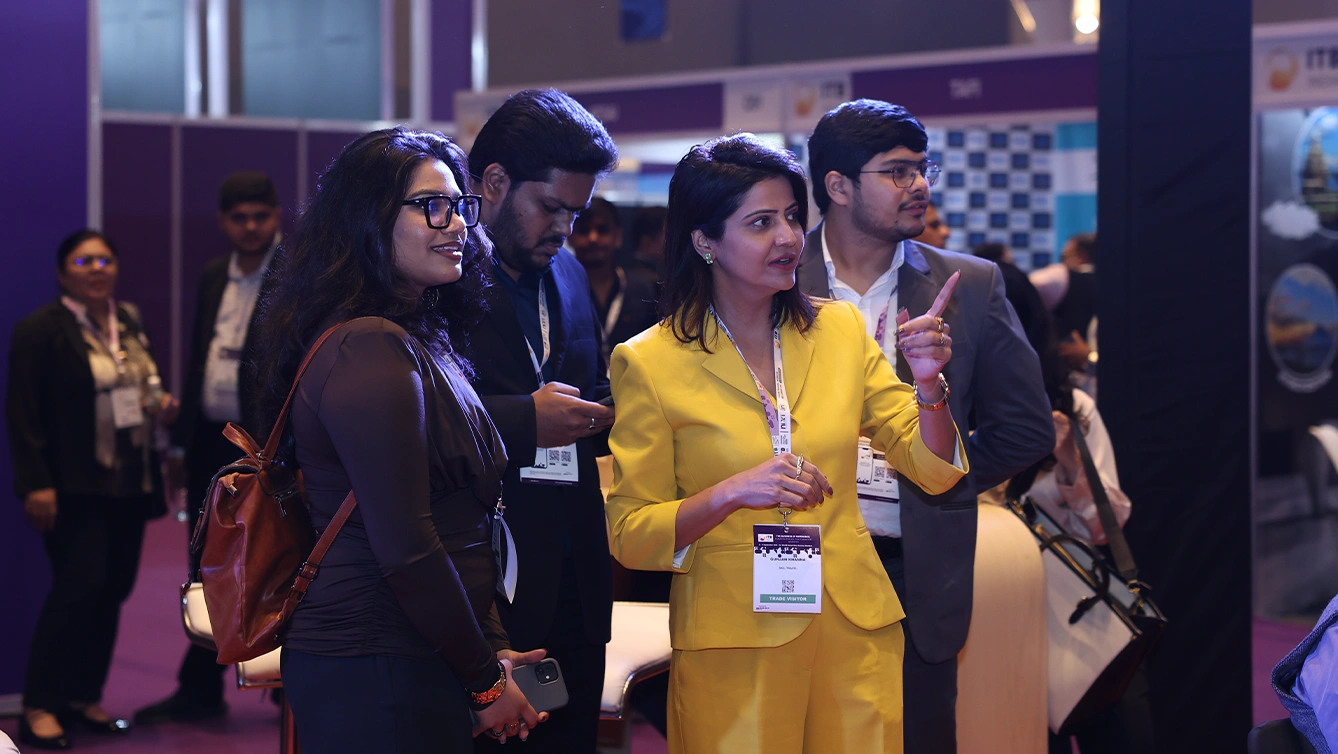
Professional networking plays an important role in business growth. While digital platforms make it easier to connect with people across industries, face-to-face interactions remain valuable for building trust, exchanging ideas, and developing long-term professional relationships. This is why organisations continue to invest in carefully planned gatherings that bring relevant professionals, clients, partners, and industry leaders together.
However, successful corporate events require more than inviting a large audience to the same venue. The real objective is to create an environment where attendees feel comfortable meeting new people, sharing knowledge, and identifying opportunities for collaboration.
From defining the event objective and selecting the right audience to designing interactive experiences and facilitating introductions, every element should contribute to meaningful engagement.
The first step in planning successful networking events is to establish a clear purpose. The objective determines the type of audience, event format, venue, activities, and content required.
An organisation may plan an event to:
A clearly defined objective ensures that the event is designed around meaningful outcomes rather than simply maximising attendance.
The quality of connections is often more important than the number of attendees. A large guest list does not necessarily guarantee valuable interactions if participants have little relevance to one another.
Organisations should carefully identify their target audience, which may include:
For networking events, audience curation should focus on bringing together professionals with complementary interests, expertise, or business goals.
A well-balanced guest list increases the likelihood that attendees will find relevant people to meet and conversations that are worth continuing.
The format should match the event objective and the profile of the audience. Different formats create different networking opportunities.
Popular options include:
For senior executives, an intimate dinner or roundtable may encourage deeper conversations. For larger industry groups, conferences and exhibitions may offer more opportunities to meet new contacts.
The right format should create a natural flow between structured content and informal interaction.
Venue selection can have a significant impact on networking. Traditional theatre-style seating may be suitable for presentations but can make it difficult for attendees to interact.
Organisations can create dedicated networking areas with:
The venue should make it easy for attendees to move around and start conversations.
Comfortable seating, suitable lighting, appropriate background music, and well-planned refreshments can also create a relaxed atmosphere.
For networking events, the physical environment should encourage people to stay, interact, and participate rather than simply attend a presentation and leave.
Some attendees may hesitate to approach people they do not know. Structured introductions can make the first interaction easier.
Organisations can include:
These activities provide attendees with a natural reason to start conversations without making interactions feel forced.
The right amount of structure can help participants meet more people while still allowing conversations to develop organically.
People are more likely to engage when they have a shared topic to discuss. Relevant content can provide a useful starting point for conversations.
The programme may include:
Content should be concise and relevant to the audience. If presentations take up most of the programme, attendees may have limited opportunities to network.
The best approach is to use content as a conversation starter and then provide sufficient time for attendees to discuss ideas and build connections.
Technology can make networking easier before, during, and after the event.
An event application or digital platform can allow attendees to:
Digital matchmaking tools can also help connect participants based on their professional interests and objectives.
For large networking events, technology can help attendees identify relevant connections instead of relying entirely on chance encounters.
Meaningful professional relationships often develop through focused conversations. Organisations can provide dedicated areas where attendees can meet privately.
These spaces can be used for:
Pre-scheduled meetings can also be arranged before the event. This ensures that important participants have dedicated time to connect without depending entirely on informal networking opportunities.
Creative experiences can make an event more memorable while providing additional opportunities for interaction.
Depending on the audience and industry, organisations may include:
The experience should support the main objective rather than distract from networking.
Shared experiences can also give attendees something interesting to discuss, helping conversations develop more naturally.
The value of a networking programme often extends beyond the event itself. Organisations should have a clear plan to help attendees continue the relationships they have started.
Post-event activities may include:
A timely follow-up message can remind attendees about the people they met and encourage them to continue conversations that began during the event.
Organisations should evaluate whether the event achieved its intended objectives.
Key metrics may include:
Feedback surveys can also help identify which aspects attendees found most valuable.
The success of networking events should not be measured only by attendance figures. The quality of connections, conversations, and business opportunities generated can provide a much better indication of overall success.
Planning a professional networking programme involves managing guest lists, venue design, event formats, technology, content, hospitality, and on-ground execution.
SKIL Events helps organisations create corporate experiences designed around meaningful audience engagement and business objectives. From concept development and venue planning to event production and guest management, an experienced event partner can help ensure that every element supports the networking experience.
For organisations planning networking events, the goal should be to bring the right people together in an environment that encourages genuine conversations. A carefully curated audience, relevant content, interactive formats, comfortable spaces, and effective follow-up can turn a simple gathering into a valuable business platform.
SKIL Events combines creative planning and professional event execution to help organisations develop experiences that encourage conversations, strengthen professional relationships, and support long-term business objectives.
Ultimately, successful networking events are about quality rather than quantity. The objective is not simply to bring a large number of people into the same room but to create meaningful opportunities for knowledge exchange, collaboration, and relationship-building.
When organisations invest in thoughtful planning, relevant audiences, engaging formats, and effective follow-up, networking events can become powerful platforms for developing industry connections, generating new opportunities, and strengthening professional communities.