English
 Arabic
 French
 Spanish
 Portuguese
 Deutsch
 Turkish
 Dutch
Dutch
 Italiano
 Russian
 Romaian
 Portuguese (Brazil)
 Greek
Greek
Elevating Standards: How AI QMS Software and Agent Monitoring Improve Call Center Performance Metrics
Other |
2026-06-10 10:49:51
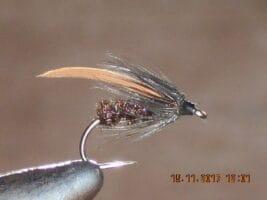
CDC flies are among the most effective dry flies for delicate presentations and natural floatation. In Kenya, they perform exceptionally well because they imitate emerging insects with remarkable realism while landing softly on the water.
Whether you are targeting trout in highland rivers or fishing calm streams, the right CDC fly can improve your chances of getting natural takes without disturbing cautious fish.
What Are CDC Flies?
CDC flies are artificial fishing flies tied using feathers from the preen gland area of ducks. These feathers naturally contain fine fibres that trap air, helping the fly float without excessive floatant.
Unlike many synthetic materials, CDC creates a lifelike movement that closely resembles natural insects resting or emerging from the water.
Key characteristics
For anglers who value presentation over splash, CDC patterns remain one of the most trusted options.
Why Do CDC Flies Work So Well in Kenya?
Kenya offers diverse trout waters ranging from mountain streams to cool rivers. These environments regularly produce aquatic insects that trout actively feed on near the surface.
The soft fibres of CDC move naturally with even slight water currents, making the fly appear alive.
Practical example
Imagine fishing a clear river in the Kenyan highlands during an afternoon hatch. Fish are rising but refusing heavier dry flies. Switching to a CDC pattern allows the fly to land gently and drift naturally, increasing the likelihood of a confident strike.
This subtle presentation is one reason experienced fly anglers keep several CDC patterns in their fly box.
When Should You Use CDC Flies?
Best CDC flies for trout perform exceptionally well during insect hatches and calm water conditions.
They are ideal for:
On windy days or rough water, anglers may choose more buoyant patterns, but CDC remains highly effective whenever natural presentation matters most.
How Do CDC Flies Compare with Traditional Dry Flies?
Both fly styles catch fish, but they excel in different situations.
|
Feature |
CDC Flies |
Traditional Dry Flies |
|
Float naturally |
Excellent |
Good |
|
Gentle landing |
Excellent |
Moderate |
|
Realistic movement |
Outstanding |
Good |
|
Best for selective trout |
Yes |
Sometimes |
|
Requires careful drying |
Yes |
Less frequently |
Experienced anglers usually carry both styles to match changing river conditions.
What Makes a Quality CDC Fly?
Not every CDC fly performs the same. Quality depends on craftsmanship, materials, and proper proportions.
Look for:
Well-tied flies last longer and maintain their shape after catching multiple fish.
What Does Research Suggest About Fly Presentation?
Studies on trout feeding behaviour have consistently shown that trout rely heavily on visual cues before striking surface insects. Fish become especially cautious in clear water where unnatural movement or drag can trigger refusals.
While no single fly guarantees success, experienced guides widely agree that presentation usually matters more than colour alone. CDC materials support this by allowing softer landings and more natural drifts.
Many professional fly-fishing instructors recommend matching the insect size first, followed by improving drift and presentation before changing fly patterns repeatedly.
How Can You Make CDC Flies Last Longer?
Proper maintenance significantly improves performance.
Simple care tips
Following these steps helps maintain buoyancy and preserves the delicate feather structure.
Which Fishing Conditions Suit CDC Flies Best?
Different water conditions require different fly choices.
CDC performs particularly well in:
Matching your fly to the environment is usually more effective than constantly changing patterns.
How Do Experienced Anglers Choose the Right CDC Pattern?
Seasoned anglers rarely rely on one fly alone. Instead, they observe water conditions, insect activity, weather, and trout behaviour before making a selection.
A practical approach includes:
This systematic method produces more consistent results than changing flies after every missed strike.
Why Does Handcrafting Matter in Premium Fishing Flies?
Hand-tied flies allow precise material placement that machines cannot easily replicate. Small adjustments in feather alignment, proportions, and finishing influence how naturally a fly floats and drifts.
This attention to detail becomes particularly valuable with CDC patterns because the delicate fibres must remain evenly distributed for optimal performance.
Anglers investing in carefully crafted flies frequently notice improved durability and more consistent presentation throughout multiple fishing sessions.
Choose Quality CDC Flies from Trout Fly Fishing Flies Kenya
If you are looking for premium CDC flies, hand-tied CDC fishing flies, buy CDC flies Kenya, professional fly tying Kenya, or quality trout fishing flies Kenya, Trout Fly Fishing Flies Kenya combines traditional craftsmanship with modern tying techniques to produce durable flies designed for real fishing conditions.
For years, our artisans have handcrafted premium fishing flies inspired by Kenya's rich aquatic ecosystems and fly-fishing heritage. Every pattern is tied using carefully selected materials, thoroughly tested for performance, and individually inspected before reaching anglers around the world. Whether you fish rivers, lakes, or streams, our goal is to provide reliable flies that perform naturally on the water.
Trout Fly Fishing Flies Kenya
Lr No, Limuru/Rironi 1129, Rironi Kinguru Road, Limuru East, Limuru, Kiambu
PO Box 937-00217, Kenya
Email: francis@troutflyfishingflieskenya.com
Phone: +254-208-117733 | +254-720-968005
Website: https://troutflyfishingflieskenya.com/