English
 Arabic
 French
 Spanish
 Portuguese
 Deutsch
 Turkish
 Dutch
Dutch
 Italiano
 Russian
 Romaian
 Portuguese (Brazil)
 Greek
Greek
Feno Transforming Oral Care with Smart Technology and Better Savings
Health |
2026-07-14 15:02:47
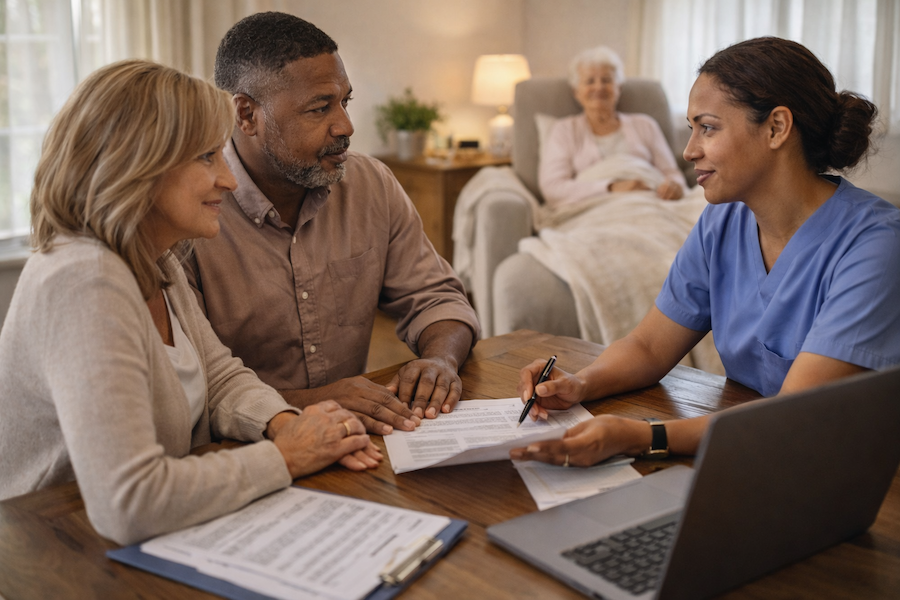
Many people think hospice ends when a loved one passes away. In reality, one of the most valuable parts of hospice begins after that moment. Families often continue to process loss long after medical care has ended. Hospice bereavement services recognize that healing takes time and that emotional support remains important throughout the grieving process.
This ongoing care works alongside the clinical support families receive before a loss. During a patient's care journey, registered nurse hospice visits at home help manage symptoms, answer questions, and prepare loved ones for changes ahead. Together, these services create a continuum of care that supports both patients and families during one of life's most challenging experiences. According to the National Hospice and Palliative Care Organization, bereavement support is a core component of hospice care because families often benefit from structured guidance after a loss.
Why Does Grief Support Matter After Hospice?
Grief does not follow a schedule. Every family member experiences loss differently, and emotions may change over weeks or even months. Hospice bereavement programs provide a safe place to talk, ask questions, and process difficult feelings.
Support may include individual counseling, grief education, support groups, or regular follow-up from trained professionals. These resources help families understand that their experiences are normal while reducing feelings of isolation during a difficult transition.
How Do Nurses Help Families Before Loss?
Preparing for the final stages of life often brings uncertainty. Families may worry about symptoms, medications, or knowing what to expect each day.
Through registered nurse hospice visits at home, experienced nurses monitor the patient's condition, manage comfort measures, and explain changes in clear, simple language. They also educate caregivers on daily care needs and communicate with physicians to ensure care plans remain appropriate. This ongoing guidance helps families feel more confident and less overwhelmed.
What Makes Hospice Care a Team Effort?
Effective hospice care relies on collaboration rather than a single healthcare provider. Registered nurses work closely with physicians, hospice aides, social workers, chaplains, and bereavement specialists to address physical, emotional, social, and spiritual needs.
Each professional contributes a unique perspective while keeping the patient's goals at the center of every decision. This coordinated approach creates consistent care for both patients and their loved ones.
Can Bereavement Care Improve Long-Term Well-Being?
While grief cannot be eliminated, compassionate support can make the journey more manageable. Research continues to show that emotional support and counseling help many individuals develop healthy coping skills after the loss of a loved one.
Families who stay connected with hospice grief resources often find reassurance in knowing they do not have to face difficult emotions alone. Regular check-ins and access to experienced professionals encourage healing at a pace that feels natural for each individual.
Care That Continues Beyond Goodbye
Hospice is about more than managing symptoms during a serious illness. It is also about caring for the people left behind. Hospice bereavement services provide ongoing guidance, while registered nurse hospice visits at home help families navigate the caregiving journey with greater confidence and understanding. Humanities for Hospice offers these services as part of a coordinated approach that supports comfort, dignity, and compassionate care before, during, and after the end-of-life journey.