Home
Events
Blogs
Gruplar
Sayfalar
Daha fazla
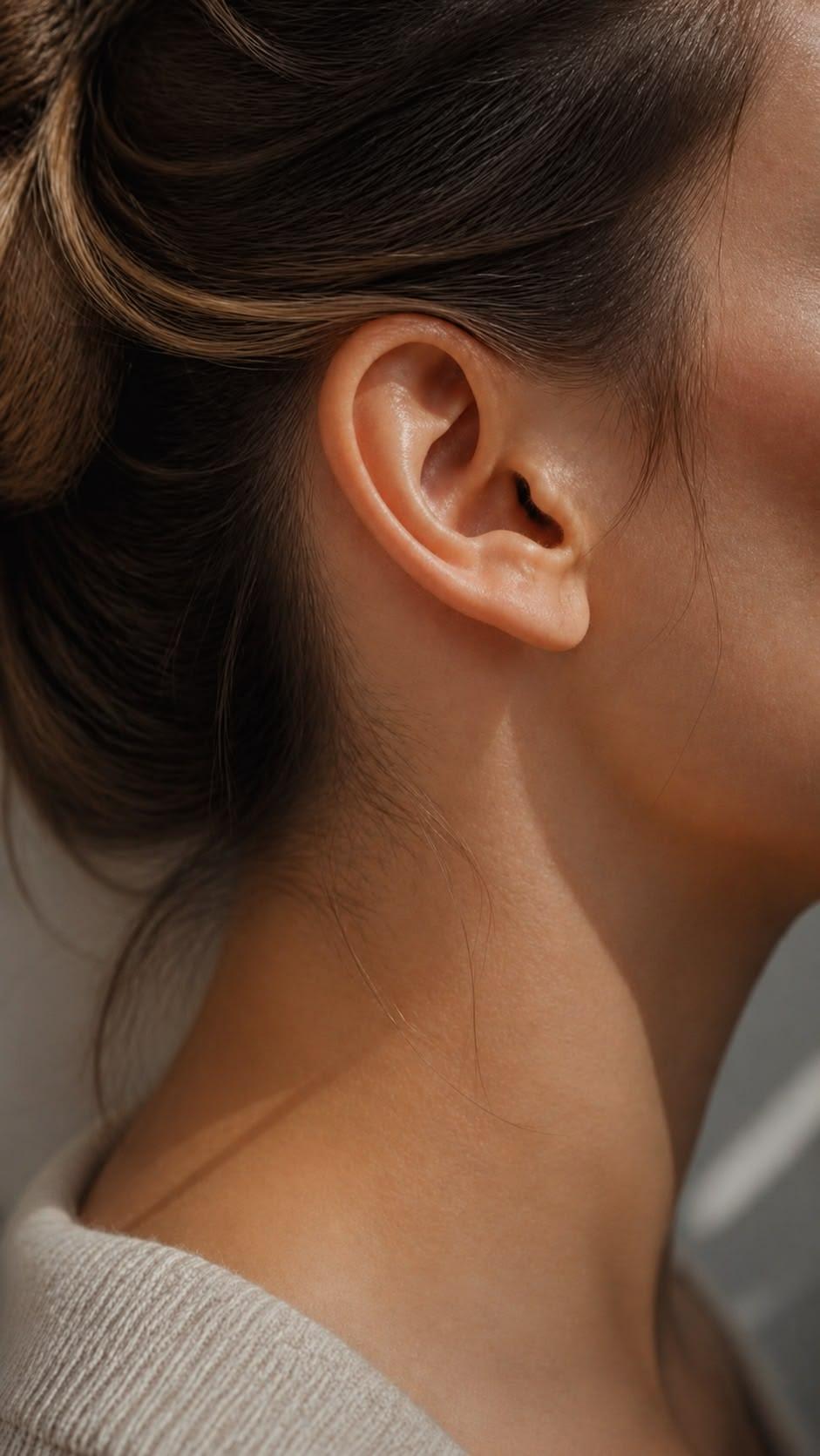
Facial symmetry plays an important role in how balanced and attractive a person’s appearance looks. While complete symmetry is uncommon, noticeable differences between the ears can sometimes make people feel self-conscious about their appearance. Uneven ears may differ in size, position, shape, or angle, creating an imbalance that becomes more noticeable in photographs or daily interactions.
Many people wonder whether these differences can be corrected. The answer is yes. Ear Reshaping Surgery can help improve uneven ears by carefully adjusting their shape, position, and proportions. The procedure is personalised according to each person’s ear structure and aesthetic goals, helping create a more balanced and natural appearance.
Understanding Uneven Ears
Uneven ears refer to differences between the two ears that affect their appearance. It is normal for people to have slight variations, but some individuals have more noticeable asymmetry.
Uneven ears may involve:
- One ear positioned higher than the other
- Differences in ear size
- Unequal ear projection
- Different cartilage shapes
- Asymmetrical folds
- Changes caused by injury
These differences usually do not affect hearing or ear function but may influence confidence and self-image.
What Causes Uneven Ears?
Several factors can contribute to uneven ear appearance.
Natural Development
The most common cause is natural variation during ear development. Since ears grow individually, one ear may develop slightly differently from the other.
Genetics
Family traits can influence ear shape, size, and position. Some people naturally inherit asymmetrical ear features from their parents.
Birth-Related Differences
Some individuals are born with structural differences in their ears due to variations in cartilage development.
Injury or Trauma
Accidents, sports injuries, or previous procedures may change the shape or position of one ear, creating noticeable differences.
How Ear Reshaping Surgery Corrects Asymmetry
Ear reshaping surgery is designed to improve balance between the ears rather than create identical copies.
During the procedure, the surgeon carefully evaluates:
- Ear size
- Cartilage structure
- Ear position
- Facial proportions
- Desired outcome
The correction may involve reshaping cartilage, repositioning the ear, or adjusting specific areas to create better symmetry.
The goal is a natural appearance that complements the entire face.
Can One Ear Be Corrected Without Changing the Other?
Yes, in some cases, only one ear requires adjustment.
If one ear is noticeably different while the other has a balanced appearance, the surgeon may focus only on the affected ear.
However, some patients may benefit from adjustments to both ears to achieve better overall harmony.
A personalised consultation helps determine the most suitable approach.
Improving Facial Balance
Uneven ears can affect how balanced the face appears, especially from certain angles.
Correcting ear asymmetry can improve:
- Facial proportion
- Side profile appearance
- Overall harmony
- Confidence in appearance
Although the procedure focuses on the ears, the improvement can positively influence the appearance of the entire face.
Is the Result Natural-Looking?
Modern ear reshaping techniques focus on subtle and natural improvements.
The aim is not to create perfectly identical ears because natural ears are rarely exactly the same. Instead, surgeons work to reduce noticeable differences while maintaining realistic proportions.
Natural-looking results are achieved by:
- Preserving normal ear structure
- Avoiding excessive correction
- Considering facial features
- Customising the procedure
The final result should make the ears appear more balanced rather than obviously altered.
What Happens During the Procedure?
The exact process depends on the type of correction needed.
Generally, ear reshaping surgery involves:
- Administering anaesthesia
- Making a small incision behind the ear
- Reshaping or repositioning cartilage
- Creating improved symmetry
- Securing the new shape with stitches
- Closing the incision carefully
The incision placement helps keep scars discreet after healing.
Recovery After the Procedure
Recovery from ear reshaping surgery is usually manageable.
During the early healing period, patients may experience:
- Mild swelling
- Bruising
- Tenderness
- Tightness around the ears
These effects gradually improve over time.
Most patients return to work or school within about a week, although activities that may put pressure on the ears should be avoided until healing is complete.
How Long Do Results Last?
The improvements from ear reshaping surgery are generally long-lasting.
Once the cartilage heals in its corrected position, the ears maintain their improved shape for many years.
Patients can protect their results by:
- Following aftercare instructions
- Avoiding ear injuries
- Attending follow-up appointments
- Protecting the ears during physical activities
Who Can Benefit from the Procedure?
Ear reshaping surgery may be suitable for people who are concerned about:
- Uneven ear position
- Noticeable asymmetry
- Prominent ears
- Ear shape differences
- Previous ear damage
Both children and adults may be candidates, depending on their health, ear development, and individual goals.
Benefits of Correcting Uneven Ears
Improving ear symmetry can provide several advantages, including:
- Better facial balance
- Increased confidence
- More comfortable appearance in photographs
- Greater hairstyle options
- Long-term cosmetic improvement
- Natural-looking results
For many patients, the emotional benefits are an important part of the decision to undergo treatment.
Choosing the Right Surgeon
The success of correcting uneven ears depends heavily on surgical skill and experience.
When selecting a clinic, consider:
- Experience with ear procedures
- Personalised treatment planning
- Modern surgical methods
- Patient reviews
- Quality of aftercare
- Clear communication
A skilled surgeon will carefully analyse the differences between the ears and recommend an approach that creates the most balanced result.
Final Thoughts
Uneven ears can affect appearance and confidence, but they can often be improved with Ear Reshaping Surgery. By carefully reshaping cartilage, adjusting ear position, and improving symmetry, the procedure can create a more balanced and natural look.
While perfect symmetry is not the goal, reducing noticeable differences can significantly enhance facial harmony. With proper planning, expert surgical care, and appropriate recovery, ear reshaping surgery can provide long-lasting results that help patients feel more comfortable and confident in their appearance.
Can Ear Reshaping Fix Uneven Ears?
Facial symmetry plays an important role in how balanced and attractive a person’s appearance looks. While complete symmetry is uncommon, noticeable differences between the ears can sometimes make people feel self-conscious about their appearance. Uneven ears may differ in size, position, shape, or angle, creating an imbalance that becomes more noticeable in photographs or daily interactions.
Many people wonder whether these differences can be corrected. The answer is yes. Ear Reshaping Surgery can help improve uneven ears by carefully adjusting their shape, position, and proportions. The procedure is personalised according to each person’s ear structure and aesthetic goals, helping create a more balanced and natural appearance.
Understanding Uneven Ears
Uneven ears refer to differences between the two ears that affect their appearance. It is normal for people to have slight variations, but some individuals have more noticeable asymmetry.
Uneven ears may involve:
- One ear positioned higher than the other
- Differences in ear size
- Unequal ear projection
- Different cartilage shapes
- Asymmetrical folds
- Changes caused by injury
These differences usually do not affect hearing or ear function but may influence confidence and self-image.
What Causes Uneven Ears?
Several factors can contribute to uneven ear appearance.
Natural Development
The most common cause is natural variation during ear development. Since ears grow individually, one ear may develop slightly differently from the other.
Genetics
Family traits can influence ear shape, size, and position. Some people naturally inherit asymmetrical ear features from their parents.
Birth-Related Differences
Some individuals are born with structural differences in their ears due to variations in cartilage development.
Injury or Trauma
Accidents, sports injuries, or previous procedures may change the shape or position of one ear, creating noticeable differences.
How Ear Reshaping Surgery Corrects Asymmetry
Ear reshaping surgery is designed to improve balance between the ears rather than create identical copies.
During the procedure, the surgeon carefully evaluates:
- Ear size
- Cartilage structure
- Ear position
- Facial proportions
- Desired outcome
The correction may involve reshaping cartilage, repositioning the ear, or adjusting specific areas to create better symmetry.
The goal is a natural appearance that complements the entire face.
Can One Ear Be Corrected Without Changing the Other?
Yes, in some cases, only one ear requires adjustment.
If one ear is noticeably different while the other has a balanced appearance, the surgeon may focus only on the affected ear.
However, some patients may benefit from adjustments to both ears to achieve better overall harmony.
A personalised consultation helps determine the most suitable approach.
Improving Facial Balance
Uneven ears can affect how balanced the face appears, especially from certain angles.
Correcting ear asymmetry can improve:
- Facial proportion
- Side profile appearance
- Overall harmony
- Confidence in appearance
Although the procedure focuses on the ears, the improvement can positively influence the appearance of the entire face.
Is the Result Natural-Looking?
Modern ear reshaping techniques focus on subtle and natural improvements.
The aim is not to create perfectly identical ears because natural ears are rarely exactly the same. Instead, surgeons work to reduce noticeable differences while maintaining realistic proportions.
Natural-looking results are achieved by:
- Preserving normal ear structure
- Avoiding excessive correction
- Considering facial features
- Customising the procedure
The final result should make the ears appear more balanced rather than obviously altered.
What Happens During the Procedure?
The exact process depends on the type of correction needed.
Generally, ear reshaping surgery involves:
- Administering anaesthesia
- Making a small incision behind the ear
- Reshaping or repositioning cartilage
- Creating improved symmetry
- Securing the new shape with stitches
- Closing the incision carefully
The incision placement helps keep scars discreet after healing.
Recovery After the Procedure
Recovery from ear reshaping surgery is usually manageable.
During the early healing period, patients may experience:
- Mild swelling
- Bruising
- Tenderness
- Tightness around the ears
These effects gradually improve over time.
Most patients return to work or school within about a week, although activities that may put pressure on the ears should be avoided until healing is complete.
How Long Do Results Last?
The improvements from ear reshaping surgery are generally long-lasting.
Once the cartilage heals in its corrected position, the ears maintain their improved shape for many years.
Patients can protect their results by:
- Following aftercare instructions
- Avoiding ear injuries
- Attending follow-up appointments
- Protecting the ears during physical activities
Who Can Benefit from the Procedure?
Ear reshaping surgery may be suitable for people who are concerned about:
- Uneven ear position
- Noticeable asymmetry
- Prominent ears
- Ear shape differences
- Previous ear damage
Both children and adults may be candidates, depending on their health, ear development, and individual goals.
Benefits of Correcting Uneven Ears
Improving ear symmetry can provide several advantages, including:
- Better facial balance
- Increased confidence
- More comfortable appearance in photographs
- Greater hairstyle options
- Long-term cosmetic improvement
- Natural-looking results
For many patients, the emotional benefits are an important part of the decision to undergo treatment.
Choosing the Right Surgeon
The success of correcting uneven ears depends heavily on surgical skill and experience.
When selecting a clinic, consider:
- Experience with ear procedures
- Personalised treatment planning
- Modern surgical methods
- Patient reviews
- Quality of aftercare
- Clear communication
A skilled surgeon will carefully analyse the differences between the ears and recommend an approach that creates the most balanced result.
Final Thoughts
Uneven ears can affect appearance and confidence, but they can often be improved with Ear Reshaping Surgery. By carefully reshaping cartilage, adjusting ear position, and improving symmetry, the procedure can create a more balanced and natural look.
While perfect symmetry is not the goal, reducing noticeable differences can significantly enhance facial harmony. With proper planning, expert surgical care, and appropriate recovery, ear reshaping surgery can provide long-lasting results that help patients feel more comfortable and confident in their appearance.
Can Ear Reshaping Fix Uneven Ears?
Facial symmetry plays an important role in how balanced and attractive a person’s appearance looks. While complete symmetry is uncommon, noticeable differences between the ears can sometimes make people feel self-conscious about their appearance. Uneven ears may differ in size, position, shape, or angle, creating an imbalance that becomes more noticeable in photographs or daily interactions.
Many people wonder whether these differences can be corrected. The answer is yes. Ear Reshaping Surgery can help improve uneven ears by carefully adjusting their shape, position, and proportions. The procedure is personalised according to each person’s ear structure and aesthetic goals, helping create a more balanced and natural appearance.
Understanding Uneven Ears
Uneven ears refer to differences between the two ears that affect their appearance. It is normal for people to have slight variations, but some individuals have more noticeable asymmetry.
Uneven ears may involve:
- One ear positioned higher than the other
- Differences in ear size
- Unequal ear projection
- Different cartilage shapes
- Asymmetrical folds
- Changes caused by injury
These differences usually do not affect hearing or ear function but may influence confidence and self-image.
What Causes Uneven Ears?
Several factors can contribute to uneven ear appearance.
Natural Development
The most common cause is natural variation during ear development. Since ears grow individually, one ear may develop slightly differently from the other.
Genetics
Family traits can influence ear shape, size, and position. Some people naturally inherit asymmetrical ear features from their parents.
Birth-Related Differences
Some individuals are born with structural differences in their ears due to variations in cartilage development.
Injury or Trauma
Accidents, sports injuries, or previous procedures may change the shape or position of one ear, creating noticeable differences.
How Ear Reshaping Surgery Corrects Asymmetry
Ear reshaping surgery is designed to improve balance between the ears rather than create identical copies.
During the procedure, the surgeon carefully evaluates:
- Ear size
- Cartilage structure
- Ear position
- Facial proportions
- Desired outcome
The correction may involve reshaping cartilage, repositioning the ear, or adjusting specific areas to create better symmetry.
The goal is a natural appearance that complements the entire face.
Can One Ear Be Corrected Without Changing the Other?
Yes, in some cases, only one ear requires adjustment.
If one ear is noticeably different while the other has a balanced appearance, the surgeon may focus only on the affected ear.
However, some patients may benefit from adjustments to both ears to achieve better overall harmony.
A personalised consultation helps determine the most suitable approach.
Improving Facial Balance
Uneven ears can affect how balanced the face appears, especially from certain angles.
Correcting ear asymmetry can improve:
- Facial proportion
- Side profile appearance
- Overall harmony
- Confidence in appearance
Although the procedure focuses on the ears, the improvement can positively influence the appearance of the entire face.
Is the Result Natural-Looking?
Modern ear reshaping techniques focus on subtle and natural improvements.
The aim is not to create perfectly identical ears because natural ears are rarely exactly the same. Instead, surgeons work to reduce noticeable differences while maintaining realistic proportions.
Natural-looking results are achieved by:
- Preserving normal ear structure
- Avoiding excessive correction
- Considering facial features
- Customising the procedure
The final result should make the ears appear more balanced rather than obviously altered.
What Happens During the Procedure?
The exact process depends on the type of correction needed.
Generally, ear reshaping surgery involves:
- Administering anaesthesia
- Making a small incision behind the ear
- Reshaping or repositioning cartilage
- Creating improved symmetry
- Securing the new shape with stitches
- Closing the incision carefully
The incision placement helps keep scars discreet after healing.
Recovery After the Procedure
Recovery from ear reshaping surgery is usually manageable.
During the early healing period, patients may experience:
- Mild swelling
- Bruising
- Tenderness
- Tightness around the ears
These effects gradually improve over time.
Most patients return to work or school within about a week, although activities that may put pressure on the ears should be avoided until healing is complete.
How Long Do Results Last?
The improvements from ear reshaping surgery are generally long-lasting.
Once the cartilage heals in its corrected position, the ears maintain their improved shape for many years.
Patients can protect their results by:
- Following aftercare instructions
- Avoiding ear injuries
- Attending follow-up appointments
- Protecting the ears during physical activities
Who Can Benefit from the Procedure?
Ear reshaping surgery may be suitable for people who are concerned about:
- Uneven ear position
- Noticeable asymmetry
- Prominent ears
- Ear shape differences
- Previous ear damage
Both children and adults may be candidates, depending on their health, ear development, and individual goals.
Benefits of Correcting Uneven Ears
Improving ear symmetry can provide several advantages, including:
- Better facial balance
- Increased confidence
- More comfortable appearance in photographs
- Greater hairstyle options
- Long-term cosmetic improvement
- Natural-looking results
For many patients, the emotional benefits are an important part of the decision to undergo treatment.
Choosing the Right Surgeon
The success of correcting uneven ears depends heavily on surgical skill and experience.
When selecting a clinic, consider:
- Experience with ear procedures
- Personalised treatment planning
- Modern surgical methods
- Patient reviews
- Quality of aftercare
- Clear communication
A skilled surgeon will carefully analyse the differences between the ears and recommend an approach that creates the most balanced result.
Final Thoughts
Uneven ears can affect appearance and confidence, but they can often be improved with Ear Reshaping Surgery. By carefully reshaping cartilage, adjusting ear position, and improving symmetry, the procedure can create a more balanced and natural look.
While perfect symmetry is not the goal, reducing noticeable differences can significantly enhance facial harmony. With proper planning, expert surgical care, and appropriate recovery, ear reshaping surgery can provide long-lasting results that help patients feel more comfortable and confident in their appearance.