English
 Arabic
 French
 Spanish
 Portuguese
 Deutsch
 Turkish
 Dutch
Dutch
 Italiano
 Russian
 Romaian
 Portuguese (Brazil)
 Greek
Greek
Food Grade Ethanol Applications: Natural Extraction, Botanical Infusions, and Organic Preservation Technologies
Other |
2026-07-09 10:32:09
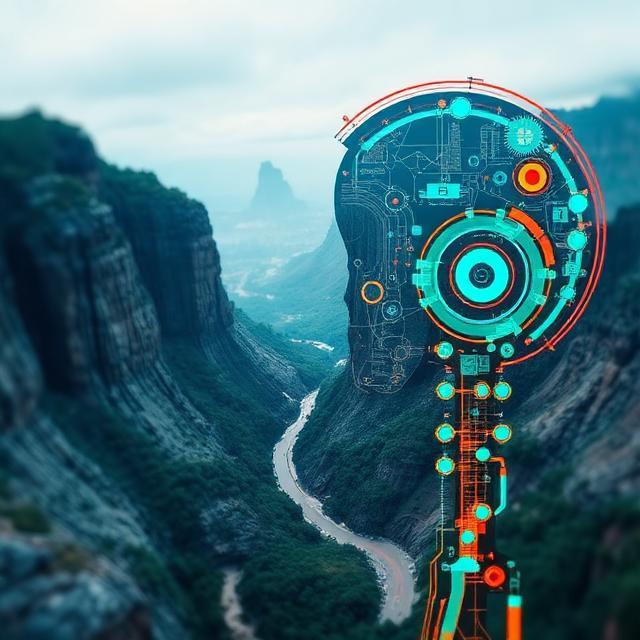
Artificial intelligence has transformed the way people create digital artwork, marketing graphics, social media visuals, and professional designs. With modern ai image generator tools, anyone can generate stunning images in minutes without advanced design skills. However, the quality of the final image depends heavily on the prompt you provide.
A well-written AI prompt acts as a blueprint that guides the AI model toward the desired outcome. The more specific and descriptive your prompt is, the better the generated image will be. Understanding how to write effective prompts can significantly improve image quality and help you create visuals that match your expectations.
AI image generators rely on text instructions to understand what kind of image you want. When prompts are vague, the results may appear generic, inaccurate, or visually inconsistent. Detailed prompts help the AI understand elements such as subject, style, lighting, colors, composition, and mood.
For example, instead of writing:
"A dog in a park"
You can write:
"A golden retriever running through a green park during sunrise, warm golden lighting, realistic photography style, shallow depth of field, high resolution"
The second prompt provides much more information, allowing the AI to generate a more accurate and visually appealing image.
Creating high-quality images starts with understanding the key components of a strong prompt.
The subject is the main focus of the image. Be clear and specific about what you want.
Examples:
Professional businesswoman working on a laptop
Mountain landscape covered with snow
Modern luxury living room
Fantasy castle on a floating island
Specific subjects help the AI generate more precise results.
The style determines the artistic direction of the image.
Popular styles include:
Realistic photography
Digital art
Watercolor painting
Oil painting
Anime
3D rendering
Cyberpunk
Minimalist illustration
Adding style instructions helps the AI understand the visual appearance you want.
Lighting plays a major role in image quality and mood.
Examples include:
Golden hour lighting
Soft natural light
Studio lighting
Dramatic cinematic lighting
Neon lighting
Sunset glow
Professional photographers often focus on lighting because it significantly impacts image realism.
Composition controls how the image is framed.
Useful composition terms include:
Close-up shot
Wide-angle view
Bird's-eye view
Portrait orientation
Macro photography
Centered composition
Rule of thirds
These details help create visually balanced and professional-looking images.
Colors influence emotions and visual appeal.
Examples:
Warm colors
Pastel tones
Black and gold luxury theme
Vibrant tropical colors
Monochrome design
A clear color direction improves consistency across generated images.
The AI performs better when given detailed instructions.
Instead of:
"Car"
Use:
"Red sports car parked beside a modern city street at night, reflections on wet pavement, cinematic lighting, ultra-realistic photography"
Specificity reduces guesswork and improves output quality.
Many ai image generator tools respond well to quality-enhancing terms.
Examples include:
High resolution
Ultra detailed
Photorealistic
8K quality
Professional photography
Sharp focus
Highly detailed textures
These terms encourage the AI to generate cleaner and more refined visuals.
Mood helps shape the emotional impact of the image.
Examples:
Peaceful
Mysterious
Luxurious
Futuristic
Energetic
Romantic
The mood should align with your intended message or branding.
For realistic images, camera-related descriptions can improve quality.
Examples:
50mm lens
Portrait photography
DSLR camera
Shallow depth of field
Bokeh background
Professional camera shot
These details often produce more realistic and visually impressive results.
While details are important, excessive information can confuse the AI.
Keep prompts organized and focused. Include only the details that directly contribute to the final image.
General prompts often lead to generic outputs.
Poor Prompt:
"Beautiful landscape"
Better Prompt:
"Majestic mountain range during sunrise with mist-covered valleys, vibrant sky colors, realistic nature photography"
Without style guidance, the AI may generate inconsistent results.
Always specify whether you want realism, illustration, painting, or another artistic style.
The environment adds depth and context to images.
Instead of describing only the subject, include surroundings, weather, architecture, or scenery.
Prompt writing is often an iterative process. Small changes can dramatically improve results.
Experiment with different descriptions, lighting conditions, and artistic styles to find the best version.
Experienced users often combine multiple elements to create highly professional images.
Example Prompt:
"Luxury modern office interior, floor-to-ceiling windows overlooking city skyline, elegant furniture, warm ambient lighting, ultra-realistic architecture photography, high detail, 8K resolution, professional interior design magazine style"
This prompt combines:
Subject
Environment
Lighting
Style
Quality instructions
Mood
The result is typically more polished and visually impressive.
Businesses use AI-generated images for:
Blog graphics
Advertising campaigns
Social media posts
Email marketing visuals
Website banners
Online stores generate:
Product mockups
Lifestyle images
Promotional banners
Catalog visuals
Bloggers and creators use AI-generated images to improve engagement and reduce design costs.
Designers use AI to create concepts, prototypes, and creative inspiration before finalizing projects.
When creating multiple images for a brand or project, consistency is important.
Use similar prompts across images.
Maintain the same color palette.
Specify the same artistic style.
Use repeated lighting instructions.
Keep character descriptions identical.
These practices help create a unified visual identity.
Different ai image generator tools have unique strengths. Some focus on realistic photography, while others excel at artistic illustrations or commercial design.
When selecting a tool, consider:
Image quality
Customization options
Generation speed
Commercial usage rights
Editing capabilities
Prompt flexibility
Testing multiple platforms can help you determine which tool best matches your creative goals.
Creating high-quality AI-generated images is not just about using advanced software. Success depends largely on the quality of the prompts you provide. Clear descriptions, detailed instructions, lighting guidance, composition settings, and style preferences all contribute to better results.
As ai image generator tools continue to evolve, learning prompt-writing techniques will become an increasingly valuable skill for marketers, designers, business owners, and content creators. By refining your prompts and experimenting with different approaches, you can consistently generate professional-quality images that capture attention and communicate your message effectively.
AI image prompts are text-based instructions that tell an AI image generator what type of image to create. They describe the subject, style, lighting, colors, and other visual details.
Detailed prompts provide more context for the AI, resulting in more accurate, realistic, and visually appealing images.
Many modern AI image generator tools offer user-friendly interfaces and simple prompt systems, making them suitable for beginners. The best choice depends on your specific creative needs and preferred image style.
Use detailed descriptions, specify lighting conditions, mention image styles, include quality-related keywords, and experiment with prompt variations.
Many AI platforms allow commercial use, but licensing policies vary. Always review the terms and conditions of the tool you are using before publishing or selling generated images.
A prompt should be detailed enough to describe your desired image clearly. Most high-quality prompts contain specific information about the subject, environment, style, lighting, and mood.