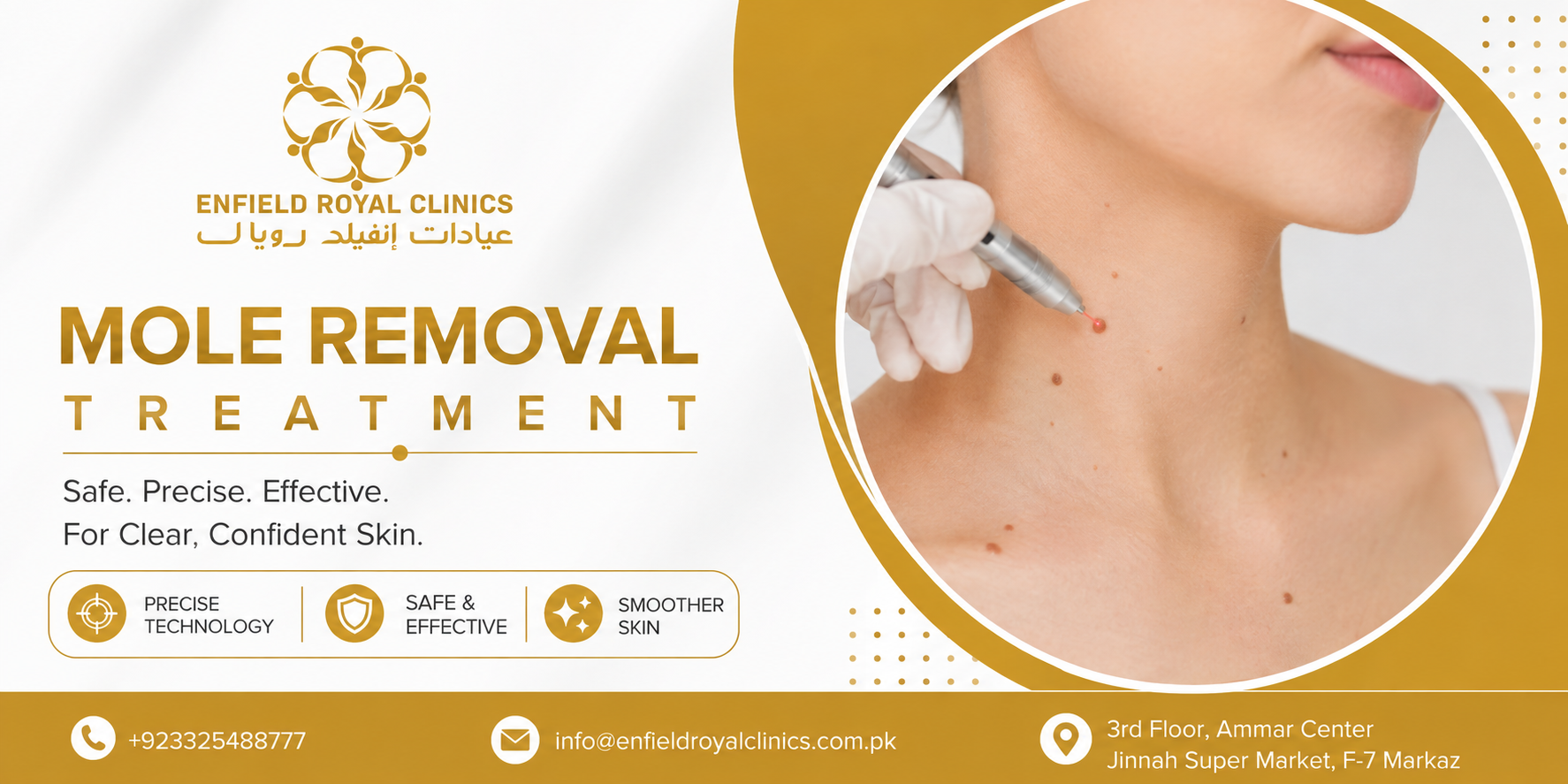
Many people considering mole removal are concerned about recovery time and how quickly they can return to their normal routine. Work schedules, daily responsibilities, and personal commitments often make patients wonder how much downtime they will need after the procedure.
The recovery period after Mole removal Treatment depends on several factors, including the removal method, size and location of the mole, and individual healing ability. While some people can return to work quickly, others may need a few extra days for proper recovery.
Factors That Affect Recovery Time
There is no single recovery timeline that applies to everyone. Each person’s healing process is different, and several factors can influence how soon you can return to work.
Important factors include:
- Removal method: Laser, shave, and surgical procedures have different recovery requirements.
- Location of the mole: Areas exposed to movement or friction may take longer to heal.
- Size of the mole: Larger moles may require more care after removal.
- Type of work: Physical jobs may require more recovery time compared to office-based work.
- Individual healing process: Skin recovery varies from person to person.
A dermatologist can provide a more accurate estimate based on your specific situation.
Returning to Work After Different Removal Methods
The time needed before returning to work often depends on the technique used during treatment.
After Laser Mole Removal
Laser removal is generally considered a minimally invasive option for suitable moles. Many patients can return to their regular activities shortly after the procedure.
Some temporary effects, such as mild redness or sensitivity, may occur. People working in clean, comfortable environments may often resume work quickly while following proper aftercare instructions.
However, activities that involve excessive sweating, heat, or direct sun exposure may need to be limited during the early healing period.
After Shave Removal
Shave removal is commonly used for certain raised moles. Since it involves removing the upper portion of the mole, recovery is often manageable for many patients.
Most people can return to work soon after the procedure, depending on the treated area and their job requirements.
Keeping the area protected and following wound care instructions helps support faster healing.
After Surgical Mole Removal
Surgical removal may require a longer recovery period because it involves removing the mole more deeply. Some patients may need additional time before returning to certain activities.
If stitches are required, the healing process may include follow-up appointments and extra care. People with physically demanding jobs may need more time to avoid pressure on the treated area.
Can You Work Immediately After Mole Removal?
In many cases, patients can return to work shortly after Mole removal Treatment, especially if the procedure is simple and their job does not involve physical activity.
However, immediate return is not always recommended for everyone. Your dermatologist may suggest temporary restrictions depending on the treatment area and healing progress.
For example, individuals working outdoors may need extra protection from sunlight, while those with physically demanding jobs may need to avoid activities that affect healing skin.
Signs That You May Need More Recovery Time
Although many people recover quickly, it is important to listen to your body during the healing process.
You may need additional rest if you experience:
- Increased redness or swelling
- Persistent discomfort
- Bleeding from the treated area
- Signs of infection
- Difficulty protecting the healing skin
If any unusual symptoms appear, contacting your dermatologist is recommended.
Tips for a Faster and Smoother Recovery
Following proper care instructions can help support a quicker return to normal activities.
Helpful recovery tips include:
- Keep the treated area clean and protected
- Avoid touching or scratching the healing skin
- Follow medication or skincare recommendations
- Protect the area from direct sunlight
- Avoid intense physical activities if advised
Good aftercare supports healthy healing and reduces the risk of complications.
How Work Type Influences Your Return Date
Your occupation plays an important role in determining when you can return to work.
People with desk jobs may often return sooner because their work does not place stress on the treated area. In contrast, individuals with outdoor, physical, or labor-intensive jobs may need additional recovery time.
Discussing your work routine with your dermatologist allows for better planning and realistic expectations.
Why Follow-Up Care Matters
Follow-up appointments may be recommended depending on the removal method. These visits allow the dermatologist to check healing progress and address any concerns.
Even if you feel ready to return to work, proper monitoring ensures that the skin continues to recover without complications.
Final Thoughts
The time required to return to work after Mole removal Treatment varies depending on the procedure, skin condition, and type of job. Many patients can resume normal activities quickly, while others may need extra time for complete healing.
A consultation with a qualified dermatologist is the best way to understand your expected recovery timeline. By following professional advice and proper aftercare, you can support safe healing and return to your routine with confidence.
 English
 Arabic
 French
 Spanish
 Portuguese
 Deutsch
 Turkish
 Dutch
Dutch
 Italiano
 Russian
 Romaian
 Portuguese (Brazil)
 Greek
Greek