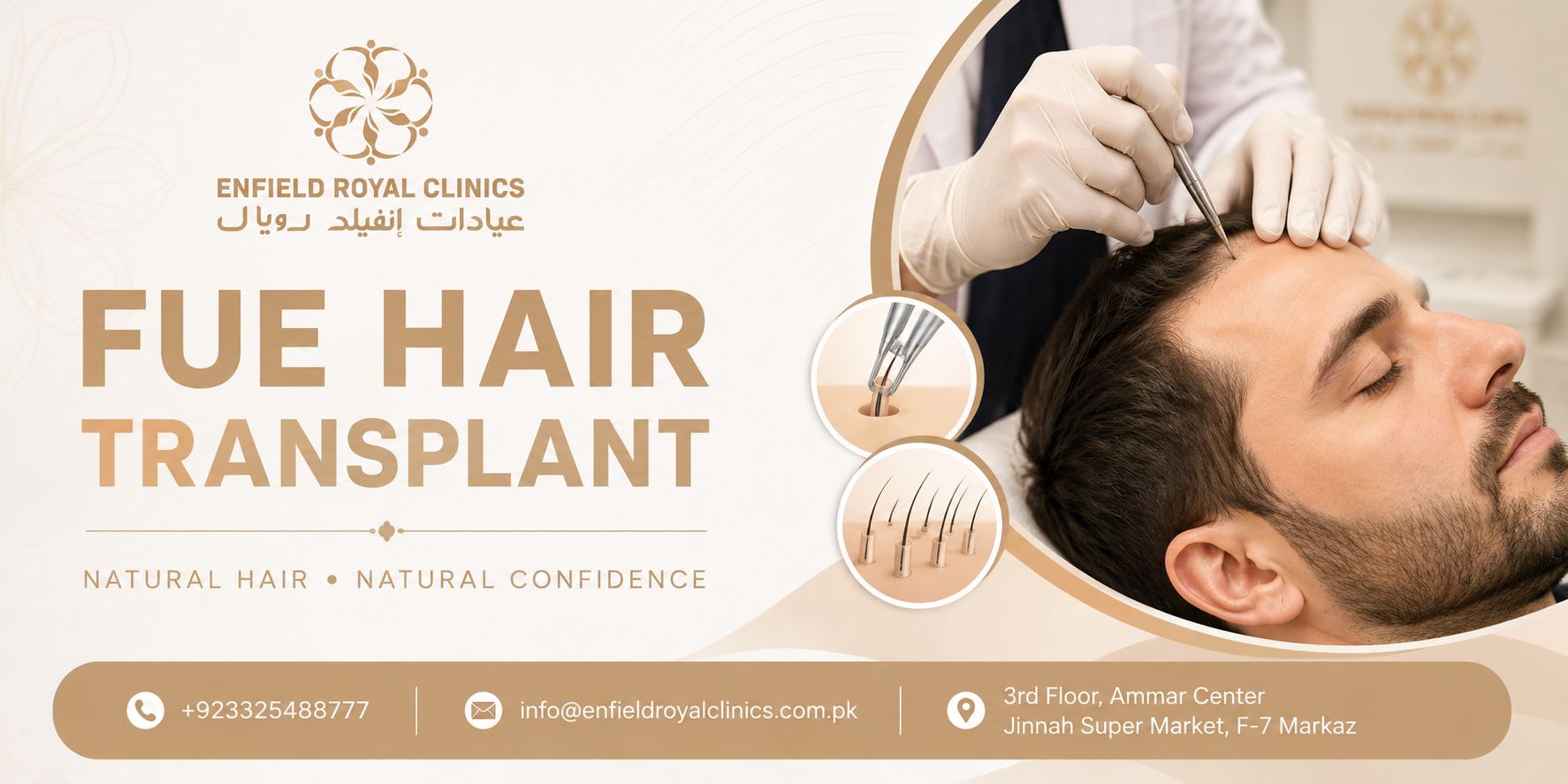
Hair restoration has become more advanced than ever, offering people a reliable way to address hair thinning and baldness. Among the available procedures, FUE Hair Transplant is one of the most popular choices because it provides natural-looking results with minimal scarring. While many patients achieve satisfying outcomes after a single procedure, others wonder whether the treatment can be repeated if they experience additional hair loss or want greater hair density.
The good news is that, in many cases, a FUE Hair Transplant can be repeated. However, the decision depends on several important factors, including donor hair availability, scalp condition, previous transplant results, and future hair loss patterns. A professional evaluation is essential before planning another procedure.
What Is FUE Hair Transplant?
FUE (Follicular Unit Extraction) is a minimally invasive hair restoration technique that involves extracting individual hair follicles from a healthy donor area, usually the back or sides of the scalp. These follicles are then implanted into areas experiencing thinning or baldness.
Because the procedure removes follicles individually instead of taking a strip of scalp, healing is generally quicker and visible scarring is minimal. The transplanted follicles continue to grow naturally after they establish themselves in their new location.
Can a Hair Transplant Be Performed More Than Once?
Yes, a FUE Hair Transplant can often be repeated if the patient has enough healthy donor hair and the scalp is suitable for another procedure.
Some individuals choose a second transplant because:
- Hair loss has continued after the first treatment.
- They want increased hair density.
- Additional thinning has developed in untreated areas.
- They wish to improve the appearance of an earlier transplant.
- They need correction of a previous hairline design.
The need for another session varies from one person to another and should always be assessed by a qualified specialist.
Why Might Someone Need Another Procedure?
Hair loss is often progressive. Even after a successful transplant, natural hair surrounding the transplanted follicles may continue to thin over time.
A second procedure may be recommended to:
- Restore newly affected areas
- Improve overall coverage
- Enhance hair density
- Refine cosmetic appearance
- Maintain balanced long-term results
Repeating the procedure does not necessarily mean the first transplant failed. It often reflects the natural progression of hair loss.
Is There Enough Donor Hair for Another Session?
One of the most important factors is the condition of the donor area. Since transplanted follicles are taken from healthy regions of the scalp, there must be enough remaining donor hair for future procedures.
During your consultation, the specialist will evaluate:
- Donor hair density
- Hair thickness
- Scalp flexibility
- Previous graft extraction areas
- Overall scalp health
Protecting the donor area is essential because it provides the follicles needed for both current and future treatments.
How Long Should You Wait Before Repeating the Procedure?
Patients usually need to wait until the results of the first transplant have fully developed before considering another session.
Hair growth occurs gradually, and final results often become visible after several months. Waiting allows the specialist to evaluate:
- Hair growth quality
- Density achieved
- Remaining areas of concern
- Long-term treatment needs
Planning another procedure too early may lead to unnecessary treatment before the final outcome can be properly assessed.
Can a Second Procedure Improve Hair Density?
Yes, many patients choose another FUE Hair Transplant to increase hair density. While the first procedure may successfully restore coverage, some individuals prefer a fuller appearance.
Additional grafts can be strategically placed between existing hairs to improve thickness while maintaining a natural look.
The number of grafts used depends on donor hair availability and the condition of the scalp.
Is the Recovery Different After a Second Transplant?
Recovery after a repeat procedure is generally similar to the first treatment, although each person's healing experience may vary.
Patients may experience:
- Mild redness
- Temporary swelling
- Small scabs
- Minor scalp sensitivity
Following the same aftercare instructions is important for protecting newly transplanted follicles and supporting healthy growth.
Who Is a Good Candidate for Another FUE Hair Transplant?
A repeat procedure may be suitable for patients who:
- Have healthy donor hair remaining
- Are in good overall health
- Have realistic expectations
- Have experienced further hair loss
- Want additional density or refinement
A detailed consultation helps determine whether another transplant is appropriate or whether other treatment options should be considered.
Tips for Long-Term Hair Restoration Success
Whether it is your first or second transplant, proper care contributes to lasting results.
Helpful habits include:
- Following all aftercare instructions
- Eating a balanced diet
- Staying hydrated
- Avoiding smoking
- Protecting the scalp from excessive sun exposure
- Attending regular follow-up appointments
Maintaining a healthy lifestyle supports scalp health and overall hair quality.
Choosing an Experienced Hair Restoration Specialist
If you are considering another transplant, choosing an experienced specialist is essential. Repeat procedures require careful planning to preserve the donor area while achieving natural-looking results.
An experienced clinic will evaluate your previous transplant, assess your current hair loss, and create a personalized treatment plan based on your long-term goals.
Conclusion
A FUE Hair Transplant can be repeated when necessary, provided there is sufficient donor hair and the scalp remains suitable for another procedure. Additional sessions are often performed to improve hair density, address ongoing hair loss, or refine previous results rather than because the initial treatment failed.
The decision to undergo another transplant should always be based on a thorough professional assessment. With careful planning, realistic expectations, and proper aftercare, repeat FUE procedures can provide natural-looking, long-lasting improvements that enhance both appearance and confidence.
 English
 Arabic
 French
 Spanish
 Portuguese
 Deutsch
 Turkish
 Dutch
Dutch
 Italiano
 Russian
 Romaian
 Portuguese (Brazil)
 Greek
Greek