English
 Arabic
 French
 Spanish
 Portuguese
 Deutsch
 Turkish
 Dutch
Dutch
 Italiano
 Russian
 Romaian
 Portuguese (Brazil)
 Greek
Greek
Assignment Help London: A Practical Guide for Students Who Want Better Results
Other |
2026-01-15 07:32:03
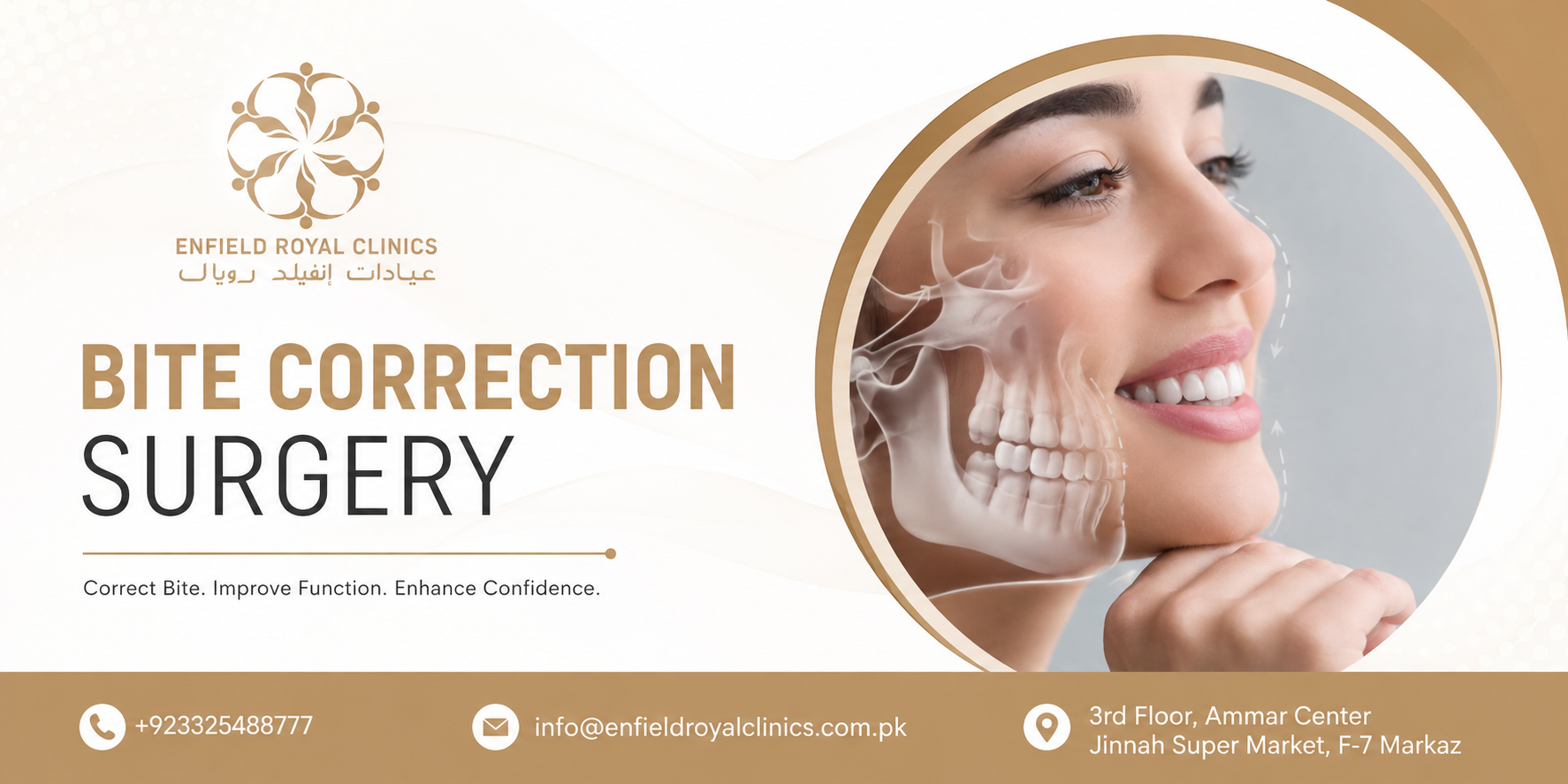
Braces are one of the most common treatments for correcting misaligned teeth and improving a person's bite. They can gradually move teeth into better positions and are effective for many orthodontic problems. However, braces cannot correct every type of bite issue, especially when the main problem involves the size, position, or structure of the jawbones.
In these situations, Bite Correction Surgery may be considered. Corrective jaw surgery is generally reserved for significant skeletal problems that cannot be adequately treated with orthodontics alone. Understanding the difference between dental and skeletal bite problems can help patients understand when surgery may offer a better solution than braces.
Braces work by applying controlled pressure to the teeth, gradually moving them into more appropriate positions. They can be useful for problems such as crowded teeth, gaps, rotated teeth, and certain mild to moderate bite issues.
Orthodontic treatment can improve the alignment of the teeth and may significantly improve the way they meet. For many patients, braces are sufficient to achieve a healthy and functional bite.
However, braces primarily move teeth. They cannot significantly reposition fully developed jawbones.
Bite Correction Surgery may be considered when the main cause of a bite problem is a significant skeletal discrepancy.
For example, the lower jaw may be positioned substantially forward, the upper jaw may be underdeveloped, or both jaws may have developed differently. In such cases, simply moving the teeth may not correct the underlying structural problem.
Surgery can reposition the jawbones while orthodontic treatment can align the teeth around the corrected jaw relationship.
A mild underbite may sometimes be managed with orthodontic treatment. However, a severe underbite caused by the position or size of the jaw may not respond adequately to braces alone.
If the lower jaw is significantly forward or the upper jaw is substantially underdeveloped, moving the teeth cannot completely correct the skeletal relationship.
In carefully selected cases, Bite Correction Surgery may reposition the affected jaw or jaws and create a more appropriate relationship between the upper and lower teeth.
A significant overbite can also have a skeletal cause. While braces may improve the position of the teeth, they may not fully address an underlying difference in jaw structure.
If the upper and lower jaws are significantly misaligned, corrective jaw surgery may be recommended as part of a combined orthodontic and surgical treatment plan.
The goal is to establish a functional bite while also maintaining appropriate facial proportions.
Braces are generally preferred when the bite problem is mainly related to tooth position rather than jaw structure.
They may be appropriate for patients with:
Orthodontic treatment is less invasive than jaw surgery and usually involves a different recovery process.
A specialist can determine whether the problem can reasonably be corrected without surgery.
Some open bites are caused by dental factors or habits and may respond to orthodontic treatment. Others are associated with significant skeletal differences in jaw development.
When a severe open bite is primarily skeletal and cannot be predictably corrected with braces alone, Bite Correction Surgery may be considered.
Surgery can address the underlying jaw relationship, while orthodontics can help refine the position of the teeth.
Braces can move teeth, but they cannot correct major differences in the underlying jawbones.
If one side of the jaw has developed differently from the other, the resulting facial or bite asymmetry may require a skeletal approach.
In selected patients, corrective jaw surgery can reposition the jaws to improve alignment and facial balance. Orthodontic treatment may then be used to coordinate the teeth.
The decision is based on a detailed assessment rather than the appearance of the teeth alone.
A dental or orthodontic professional may evaluate the patient's:
X-rays, digital scans, photographs, and other diagnostic tools can help determine whether the problem is primarily dental or skeletal.
It is not accurate to say that surgery is always better than braces. Each treatment is designed for different types of problems.
Braces may be the most appropriate option for a dental alignment issue. Bite Correction Surgery may be more suitable when a severe skeletal discrepancy is the main cause of the bite problem.
In many complex cases, the best treatment is actually a combination of both. Orthodontics prepares and aligns the teeth, while surgery corrects the position of the jaws.
Patients undergoing Bite Correction Surgery often receive orthodontic treatment before the operation.
Braces or clear aligners may be used to position the teeth in preparation for the planned jaw movement. This preparation helps the surgical team establish a more appropriate relationship between the teeth and jaws during surgery.
After surgery, orthodontic treatment may continue to make final adjustments.
For patients with severe skeletal bite problems, corrective jaw surgery may provide functional improvements that braces alone cannot achieve.
Potential benefits include:
The outcome depends on the individual's condition and treatment plan.
Unlike braces, Bite Correction Surgery is a major surgical procedure. It involves anesthesia, a recovery period, dietary restrictions, and potential complications.
Possible risks include swelling, bleeding, infection, discomfort, changes in sensation, delayed healing, and bite-related complications.
Because of these considerations, surgery is generally recommended only when its potential benefits justify the additional risks and recovery requirements.
Adults can be candidates for corrective jaw surgery when they have significant skeletal bite problems. Once jaw growth is complete, orthodontics alone may not be enough to correct a major difference in jaw position.
However, age does not automatically mean surgery is necessary. The underlying cause and severity of the bite problem remain the most important considerations.
When is surgery better than braces? Bite Correction Surgery may be a better option when a significant bite problem is caused by the structure or position of the jawbones and cannot be adequately corrected with orthodontic treatment alone.
Braces remain an excellent choice for many dental alignment problems and are generally preferred when they can provide the desired functional result. In complex cases, orthodontics and surgery may work together to correct both tooth position and jaw alignment.
A comprehensive evaluation by a qualified orthodontic and surgical team is essential for determining whether braces, surgery, or a combination of both is the most appropriate treatment.
For more information visit Enfield royal clinic in islamabad