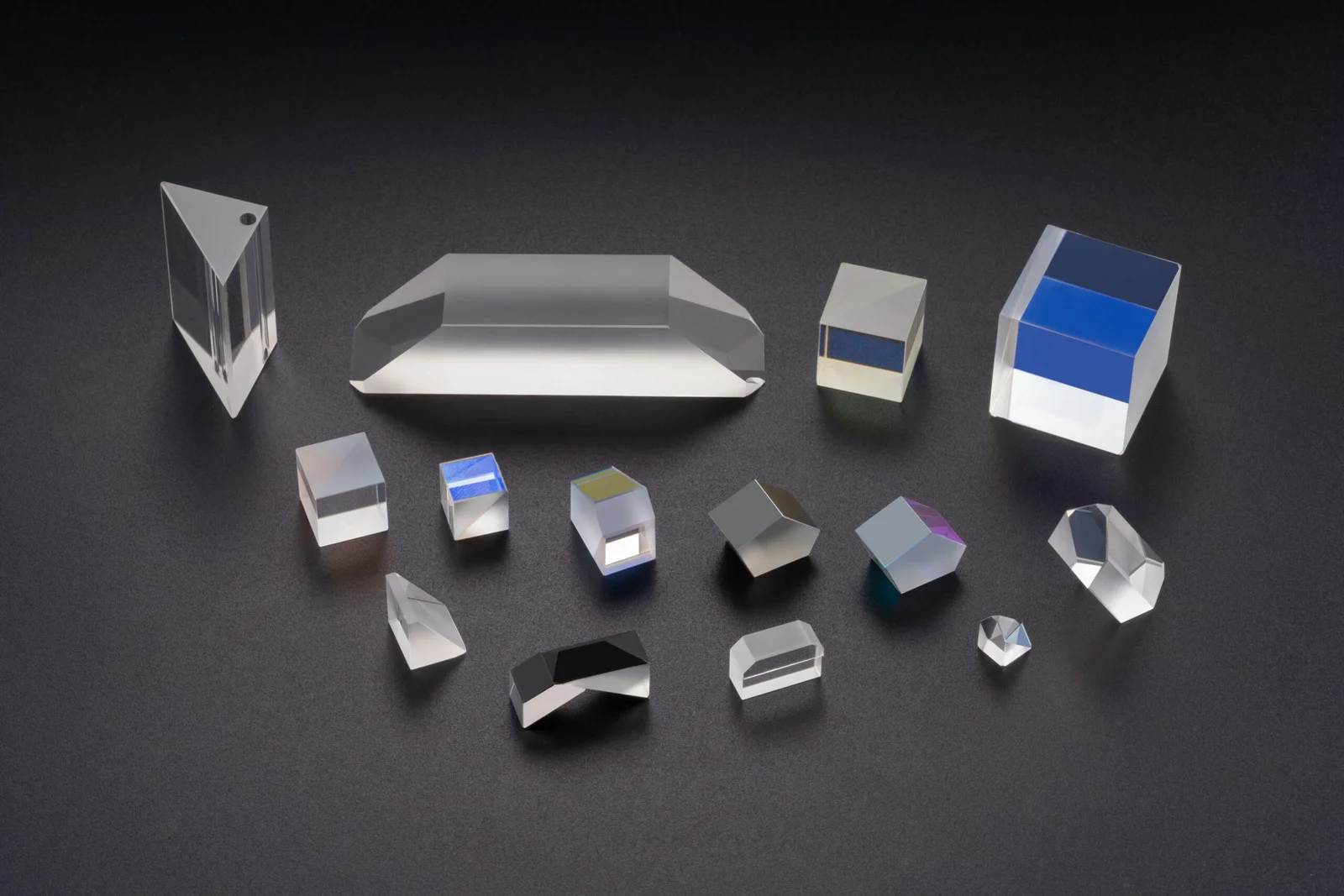
Optical technology depends on carefully engineered components to control, redirect, and manage light. From imaging equipment and display systems to specialized optical instruments, individual components can have a significant influence on the performance of an overall system. As manufacturers develop smaller and more sophisticated devices, precision optical components continue to play an important role in modern product design.
A Prism is an important optical component used to manipulate the path of light. Depending on its geometry and application, a prism can redirect light, support image management, or contribute to the optical configuration of a larger system. This makes prism-based solutions valuable across a wide range of specialized optical applications.
One of the key advantages of prism technology is its ability to control light without requiring complicated mechanical movement. By carefully designing the shape and optical surfaces of a prism, engineers can influence how light travels through an optical system. This can help create more efficient and compact designs for applications where space and optical precision are important.
A Prism can also contribute to compact optical architectures. Modern products often need to combine multiple optical functions within limited physical dimensions. Properly designed prism components can help redirect optical paths, allowing designers to make better use of available space inside a device.
Image management is another area where prisms can provide valuable functionality. Certain optical systems require light to be redirected or images to be handled in specific ways before reaching a sensor, display, or viewing surface. In these applications, optical geometry and surface quality become important considerations during component selection.
Manufacturing precision is essential for optical components. Small variations in dimensions, angles, or surface quality can influence how light travels through a system. Consistent production can therefore help manufacturers achieve predictable optical behavior and maintain quality across different components or product batches.
Prisms are used in a variety of optical and imaging applications. They may be incorporated into viewing systems, imaging equipment, measurement instruments, projection assemblies, and other specialized devices. Each application can have different requirements for dimensions, optical performance, materials, and integration.
Material selection can also influence the performance of an optical prism. Different optical materials may provide different transmission characteristics and refractive properties. Manufacturers and engineers should therefore consider the intended wavelength range, environmental conditions, physical dimensions, and optical requirements when selecting a suitable component.
Compact optical design has become increasingly important as electronic and imaging products become smaller. Engineers need to fit lenses, sensors, displays, and other components into limited spaces without compromising the intended functionality. Prism-based optical paths can provide useful flexibility when developing these compact systems.
Another important consideration is compatibility with the surrounding optical assembly. A prism does not operate independently; it needs to work effectively with lenses, mirrors, light sources, sensors, and other components. Careful system-level design can help ensure that the optical path delivers the required performance.
As industries continue to adopt advanced imaging and display technologies, demand for precision optical components is likely to grow. Manufacturers require components that can support reliable optical performance while fitting the physical and technical requirements of modern products.
For companies developing specialized optical systems, a Prism can provide a practical solution for redirecting and managing light within compact assemblies. With accurate manufacturing and thoughtful integration, prism technology can help engineers develop optical systems that balance functionality, precision, and efficient use of space.
From imaging and viewing equipment to advanced display applications, optical components remain fundamental to modern technology. By selecting the right prism design for each application, manufacturers can create more capable and precisely engineered optical products.
 English
 Arabic
 French
 Spanish
 Portuguese
 Deutsch
 Turkish
 Dutch
Dutch
 Italiano
 Russian
 Romaian
 Portuguese (Brazil)
 Greek
Greek