English
 Arabic
 French
 Spanish
 Portuguese
 Deutsch
 Turkish
 Dutch
Dutch
 Italiano
 Russian
 Romaian
 Portuguese (Brazil)
 Greek
Greek
Premium Sports Apparel Driving Europe Athleisure Market Demand Surge
Other |
2026-06-24 08:47:07
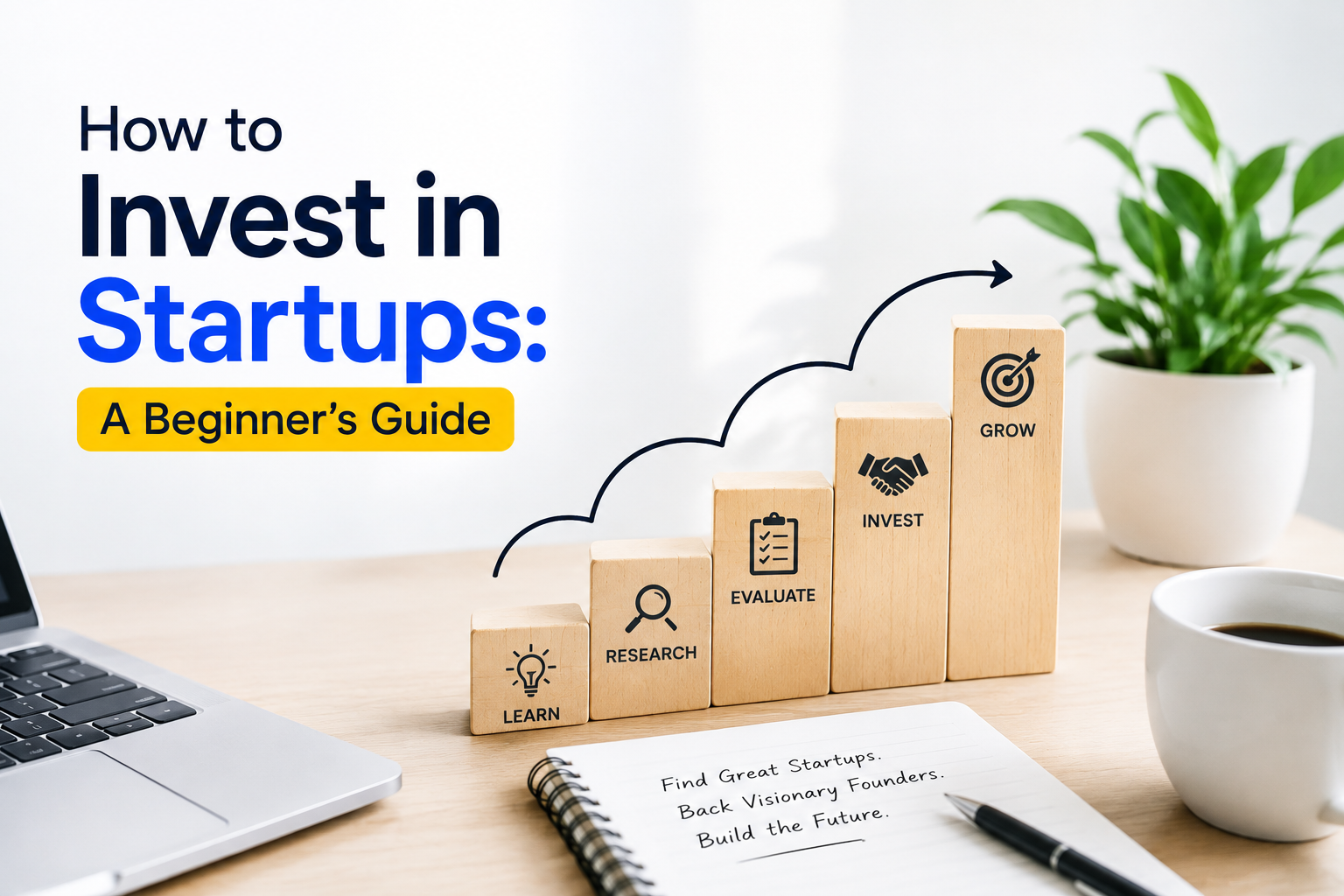
Startup investing used to be reserved for venture capital firms and a small circle of wealthy insiders. That has changed significantly over the past decade, as new platforms, regulations, and syndicate structures have opened the door to a much wider group of investors. Still, most people who want to invest in startups are not sure where to begin, what the risks actually look like, or how the process differs from buying public stocks.
Public market investing involves buying shares of an established company with visible financials, analyst coverage, and daily liquidity. Startup investing is almost the opposite. Companies are private, financial history is limited, and capital is typically locked up for years with no guaranteed exit. In exchange for that risk, early investors have the potential to capture outsized returns if a company eventually succeeds and scales significantly beyond its early valuation.
This tradeoff means startup investing works best as a small, deliberate part of a broader portfolio rather than a primary investment strategy.
There are several paths into early-stage investing, each with different capital requirements and levels of involvement:
Before making a first investment, a few fundamentals are worth understanding clearly:
A disciplined evaluation process reduces the risk of chasing hype over substance. Investors typically look at:
Reviewing the cap table, recent financials, and key terms such as liquidation preferences also helps investors understand exactly what they are buying into, beyond the story in the pitch deck.
Because individual outcomes are unpredictable, most experienced early-stage investors treat this as a long-term, diversified strategy rather than a series of one-off bets. Spreading capital across multiple companies, sectors, and stages increases the odds that a small number of strong performers offset the larger number that do not succeed. It also helps to set a clear percentage of an overall portfolio dedicated to illiquid, high-risk assets like startups, rather than letting allocation grow unintentionally deal by deal.
Startup investing offers real upside potential, but it comes with meaningful risk, long timelines, and limited liquidity that make it unsuitable as a core investment strategy for most people. Investors who approach it with realistic expectations, a disciplined evaluation process, and proper diversification are far better positioned to benefit from the occasional standout company without being overexposed to the far more common outcome of a startup that does not succeed.
Do I need to be an accredited investor to invest in startups?
It depends on the market and platform. Many jurisdictions restrict certain types of startup investing to accredited investors, though some equity crowdfunding platforms allow smaller checks from a broader range of investors.
How much money do I need to start investing in startups?
This varies widely. Direct angel checks can require significant capital, while some crowdfunding platforms and syndicates allow much smaller minimum investments.
What is the biggest risk of investing in startups?
The primary risk is that most early-stage companies fail to generate a meaningful return, combined with illiquidity, since capital is typically locked up for years with no guaranteed exit.
What is the difference between investing directly and investing through a venture capital fund?
Direct investing means picking individual companies yourself, while a venture capital fund pools capital from multiple investors and is managed by professionals who select and oversee the portfolio.
How many startups should a new investor consider backing?
There is no fixed number, but spreading capital across multiple companies rather than concentrating on one or two deals is a common way to manage the high failure rate typical of early-stage investing.