Hyperpigmentation is a common skin concern that can make the complexion appear uneven. It develops when certain areas of the skin produce more melanin than surrounding areas. Sun exposure, acne, hormonal changes, inflammation, and skin injuries can all contribute to dark spots and uneven pigmentation.
Many people explore professional facial treatments to improve the appearance of discolored skin. Hydrafacial is one option that combines cleansing, exfoliation, extraction, and hydration. It may help create a brighter and more even-looking complexion, but its ability to treat hyperpigmentation depends on the type and depth of pigmentation.
What Is Hyperpigmentation?
Hyperpigmentation occurs when areas of skin become darker than the surrounding complexion because of increased melanin production.
Common forms include:
- Sunspots
- Post-acne marks
- Melasma
- Post-inflammatory hyperpigmentation
- Uneven pigmentation caused by sun exposure
Some types are relatively superficial, while others develop deeper within the skin. This difference is important because surface-focused treatments may have limited effects on deeper pigmentation.
How Does Hydrafacial Work?
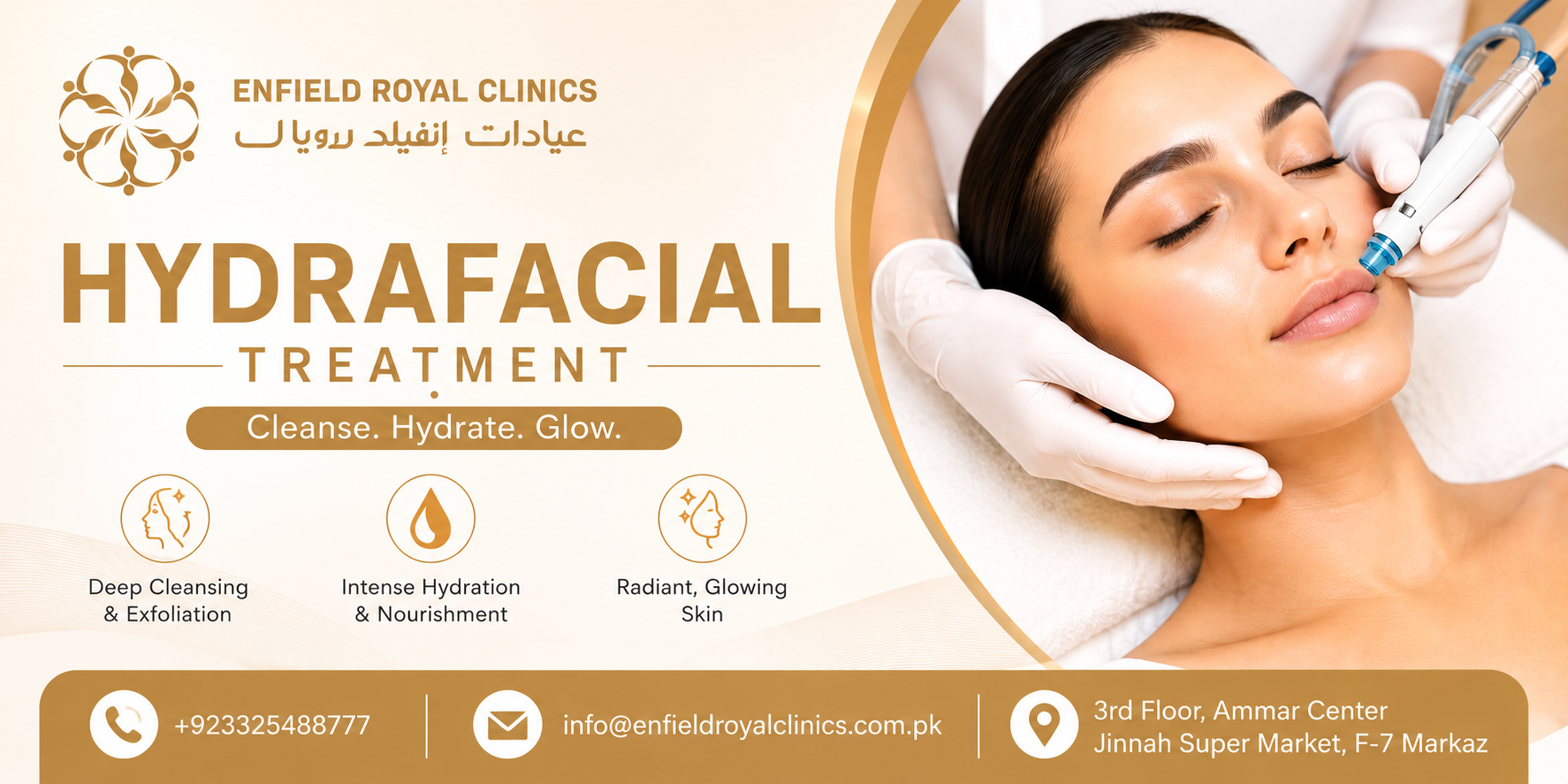
Hydrafacial is a non-invasive facial treatment performed using specialized equipment. It generally combines several steps in one session.
The skin is first cleansed and gently exfoliated to remove surface dead skin cells. Controlled extraction can then help remove oil and impurities from pores. Finally, hydrating solutions are applied to support a smoother and more refreshed complexion.
These steps can improve the overall appearance of the skin, but they do not specifically destroy pigment-producing cells.
Can Hydrafacial Brighten Hyperpigmented Skin?
Hydrafacial may make hyperpigmented skin appear brighter by removing surface buildup and improving hydration.
When dead skin cells accumulate, they can make the complexion look dull and uneven. Gentle exfoliation can help reveal fresher-looking skin underneath.
This may create a more radiant appearance and reduce the visual contrast between certain areas. However, this does not necessarily mean that the underlying pigmentation has been completely treated.
Does Hydrafacial Remove Dark Spots?
Hydrafacial may provide some cosmetic improvement in the appearance of mild discoloration, particularly when dullness or surface buildup contributes to an uneven complexion.
However, established dark spots such as sunspots may require treatments specifically designed to target pigmentation.
The depth, cause, and type of discoloration should be evaluated before selecting a treatment. A skincare professional can determine whether Hydrafacial alone is appropriate or whether another option may provide better results.
Can Hydrafacial Help With Acne Marks?
Acne can leave behind dark marks known as post-inflammatory hyperpigmentation. These marks may remain after the original breakout has healed.
Hydrafacial can help improve overall skin texture and brightness through exfoliation and hydration. This may make acne marks appear less noticeable over time.
However, results vary, and Hydrafacial should not be considered a guaranteed treatment for pigmentation caused by acne.
Avoid picking or squeezing active acne because skin trauma can increase the risk of additional dark marks.
Is Hydrafacial Effective for Melasma?
Melasma is a type of pigmentation often characterized by larger patches of brown or grayish discoloration, commonly appearing on the cheeks, forehead, nose, or upper lip.
Because melasma can be persistent and may be influenced by hormones and UV exposure, it often requires a more targeted management plan.
Hydrafacial may improve the overall appearance of the complexion but should not be considered a standalone cure for melasma.
If you have suspected melasma, professional assessment is recommended before choosing a treatment.
Can Exfoliation Improve Uneven Skin Tone?
Dead skin cell buildup can make the complexion look uneven and dull. Gentle exfoliation can remove some of these cells and improve surface smoothness.
Hydrafacial incorporates exfoliation into its treatment process. This may help create a fresher appearance and allow skincare products to be used more effectively afterward, depending on professional recommendations.
However, excessive exfoliation can irritate the skin. Irritation may sometimes worsen post-inflammatory pigmentation, particularly in people prone to dark marks.
Why Is Sun Protection Important?
Sun exposure is one of the most important factors affecting hyperpigmentation. UV radiation can stimulate melanin production and make existing dark spots more noticeable.
If you are receiving Hydrafacial for an uneven complexion, daily sun protection is essential for maintaining your results.
Use a broad-spectrum sunscreen as directed and consider additional protection such as hats, shade, and limiting prolonged direct sun exposure.
Without adequate sun protection, pigmentation may continue to develop even after professional treatment.
How Many Hydrafacial Sessions Are Needed?
There is no universal number of sessions required for pigmentation concerns.
Some people may notice a fresher and brighter complexion after one treatment. More noticeable changes may require multiple sessions, depending on the individual's skin and the cause of discoloration.
However, additional sessions do not necessarily provide better results for every type of hyperpigmentation. A professional should determine whether continued Hydrafacial treatments are appropriate.
Is Hydrafacial Suitable for Sensitive or Pigmentation-Prone Skin?
People who develop pigmentation easily may need a particularly gentle approach. Excessive exfoliation or irritation can sometimes trigger additional discoloration.
A qualified practitioner can adjust the treatment according to skin sensitivity and pigmentation history.
Tell your provider about previous reactions, prescription skincare products, recent procedures, and any tendency to develop dark marks after inflammation.
Can Hydrafacial Prevent Hyperpigmentation?
Hydrafacial does not prevent the biological causes of hyperpigmentation. Hormonal changes, UV exposure, acne, inflammation, and genetics can continue to influence melanin production.
A consistent skincare routine and effective sun protection are therefore important.
If you regularly develop dark marks after acne or irritation, addressing the underlying trigger may be more useful than relying only on facial treatments.
What Other Treatments May Help Hyperpigmentation?
Depending on the cause and severity of pigmentation, a professional may recommend options such as topical treatments, chemical peels, certain lasers, or other specialized procedures.
The appropriate treatment depends on skin type and the specific pigmentation pattern. Some procedures can actually worsen pigmentation if used incorrectly, especially in people who are prone to post-inflammatory darkening.
Professional assessment is therefore important before starting an aggressive pigmentation treatment.
Final Thoughts
Hydrafacial may help improve the appearance of hyperpigmented skin by gently exfoliating surface buildup, supporting hydration, and creating a brighter, smoother-looking complexion. It can be particularly useful as part of a broader skincare routine.
However, Hydrafacial does not permanently remove all types of hyperpigmentation. Conditions such as melasma, persistent sunspots, and deeper pigmentation may require more targeted treatment.
For the best approach, identify the cause of your pigmentation first. A qualified skincare professional can assess your skin and recommend whether Hydrafacial, another treatment, or a combination of approaches is most suitable for achieving a more even-looking complexion.
 English
 Arabic
 French
 Spanish
 Portuguese
 Deutsch
 Turkish
 Dutch
Dutch
 Italiano
 Russian
 Romaian
 Portuguese (Brazil)
 Greek
Greek