English
 Arabic
 French
 Spanish
 Portuguese
 Deutsch
 Turkish
 Dutch
Dutch
 Italiano
 Russian
 Romaian
 Portuguese (Brazil)
 Greek
Greek
Turmeric Powder Market Growth Analysis by Product Type, End Use, Distribution Channel, and Geography
Other |
2026-06-29 03:05:13
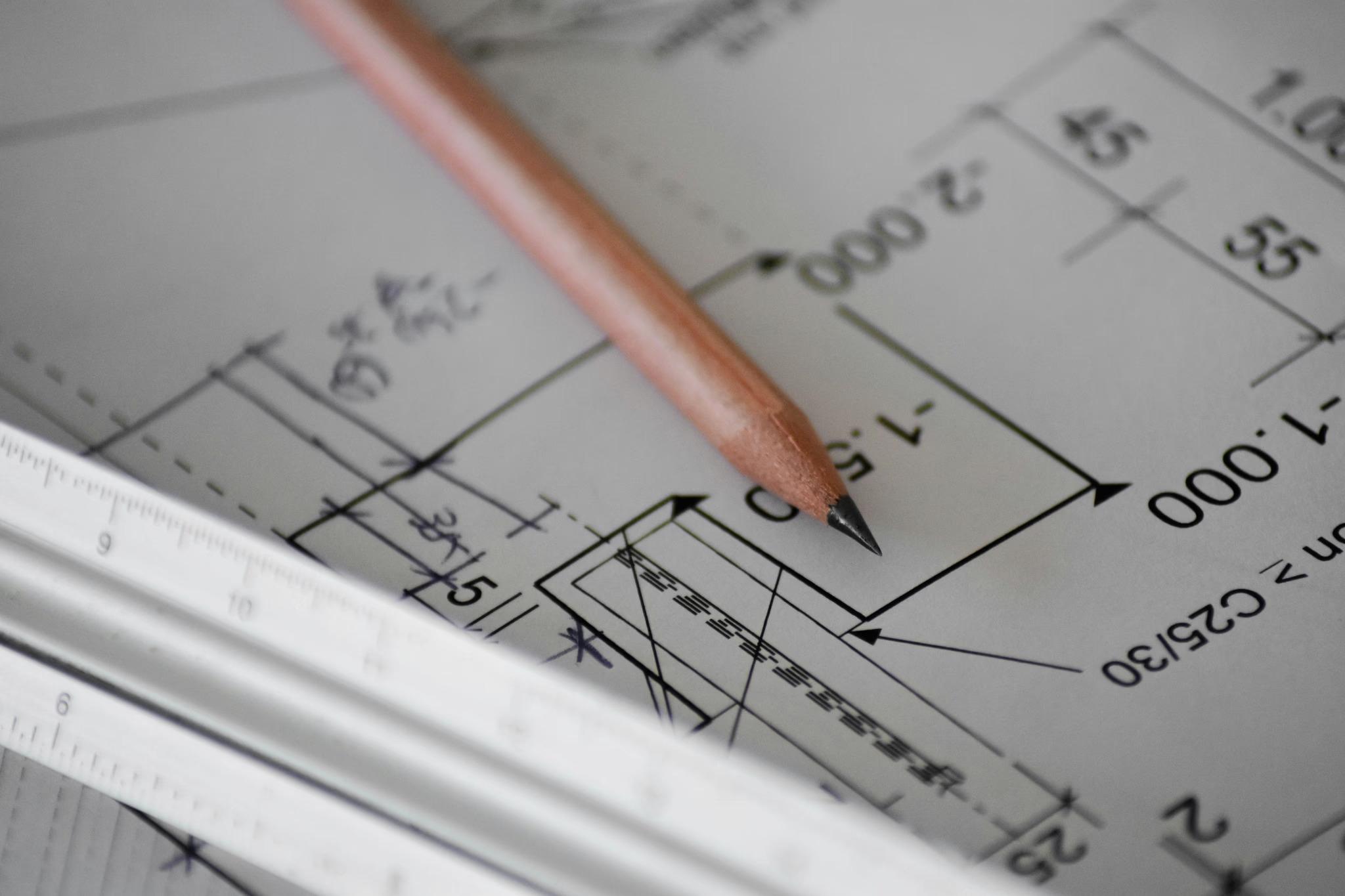
Winning a construction project starts long before construction crews arrive on site. Contractors need to understand the project scope, calculate material quantities, estimate labor, account for equipment and subcontractor costs, and prepare a competitive bid.
Two important parts of this process are construction takeoffs and cost estimating.
Although these terms are often used together, they serve different purposes. Understanding the difference can help contractors prepare more complete bids, reduce estimating errors, and make better decisions before submitting a proposal.
A construction takeoff is the process of identifying and measuring the materials and quantities required to complete a construction project.
An estimator reviews drawings, specifications, schedules, and other project documents to determine what materials are required and how much of each material will be needed.
A takeoff may include quantities for:
Concrete
Lumber
Drywall
Roofing
Flooring
Doors and windows
Masonry
Steel
Electrical components
Plumbing materials
HVAC components
Finishes
For example, a concrete takeoff may calculate the required cubic yards of concrete, reinforcing steel, forms, slabs, foundations, footings, and other related components.
The objective is to turn construction drawings into measurable quantities that can be priced.
Cost estimating takes the quantities identified in the takeoff and assigns costs to them.
A complete estimate may consider:
Material costs
Labor costs
Equipment
Subcontractor pricing
Waste
Delivery
Overhead
Profit
Project-specific requirements
This produces a broader financial picture of what the project may cost.
EstimatesPro provides construction estimates and quantity takeoffs across residential, commercial, and public projects, covering multiple construction trades and CSI divisions.
The simplest way to understand the difference is:
Takeoff = What do we need, and how much?
Estimating = What will it cost?
For example, suppose a project requires 20,000 square feet of flooring.
The takeoff identifies the 20,000 square feet.
The estimate then determines:
Flooring material price
Adhesive
Underlayment
Labor
Waste
Delivery
Installation costs
Applicable overhead and profit
Both processes are necessary for a reliable construction bid.
An estimate can only be as reliable as the quantities behind it.
If a contractor underestimates the amount of material required, the project may become less profitable after construction begins.
For example, underestimating drywall quantities could result in additional material purchases later. The contractor may also face additional delivery costs, labor inefficiencies, and schedule disruptions.
On the other hand, significantly overestimating quantities can make the bid unnecessarily expensive and reduce the contractor's chances of winning the project.
That is why accurate takeoffs are an important foundation for competitive bidding.
Quantity takeoffs are not only useful during bidding.
They can also support procurement and project planning.
Once quantities are known, contractors and suppliers can better understand:
Required material volumes
Purchase requirements
Delivery quantities
Potential waste
Material costs
Procurement timing
EstimatesPro specifically describes quantity takeoffs as a way to provide precise material quantities for construction trades and support both accurate bidding and material planning.
A construction bid needs to be competitive, but price alone does not determine profitability.
Contractors must understand their actual expected costs before deciding what price to submit.
A detailed estimate can help identify:
Direct costs
Labor requirements
Material expenses
Subcontractor costs
Equipment costs
Overhead
Expected profit
Without these numbers, contractors may unknowingly submit bids that are too low.
The quality of the project documents can affect the estimating process.
Common documents include:
Architectural drawings
Structural drawings
MEP drawings
Civil drawings
Specifications
Door and window schedules
Finish schedules
Addenda
Project requirements
An estimator reviews these documents to understand the complete project scope.
Changes or addenda should also be reviewed because they may modify quantities, materials, dimensions, or construction requirements.
Modern construction estimating increasingly relies on digital takeoff software rather than manual measurements alone.
Digital tools can help estimators:
Measure areas
Calculate lengths
Count items
Organize quantities
Mark drawings
Track revisions
Export data
Create detailed reports
EstimatesPro states that it uses digital takeoff tools and industry-standard platforms such as PlanSwift and Bluebeam for quantity measurement and estimating workflows.
Technology can improve speed and organization, but experienced estimating judgment remains important.
Different trades have different measurement requirements.
For example, estimating lumber requires knowledge of framing components, while concrete estimating involves different quantities, dimensions, reinforcement, and formwork considerations.
EstimatesPro's trade-specific services include areas such as concrete, lumber, openings, MEP, and interior and exterior finishes.
This type of trade-specific knowledge helps estimators interpret drawings based on how materials are actually purchased and installed.
Several mistakes can reduce the reliability of a takeoff.
A component may be overlooked because it appears on another drawing or schedule.
Small measurement errors can become significant when repeated across a large project.
Plans may not provide all the information required to determine material requirements. Specifications can contain important details.
Project changes issued after the original drawings can alter quantities and scope.
Material waste varies by trade and material. Applying the wrong factor can distort the estimate.
The same component can sometimes be measured more than once when drawings overlap.
A structured review process can help reduce these problems.
Some contractors handle estimating internally, while others outsource some or all of the process.
Outsourcing can be useful when:
Bid deadlines are tight
Internal estimators are overloaded
Multiple projects need pricing simultaneously
A specialized trade requires additional expertise
The contractor wants to bid more opportunities
Estimating staff is limited
EstimatesPro positions its estimating service as a preconstruction resource for general contractors and subcontractors, with a focus on accurate quantities, bid readiness, and turnaround.
A strong workflow can look like this:
Project Documents → Scope Review → Quantity Takeoff → Material & Labor Pricing → Cost Review → Overhead & Profit → Final Bid
Each stage depends on the previous one.
If the scope is incomplete, the takeoff may be incomplete.
If the takeoff is inaccurate, the estimate may be inaccurate.
If the estimate is incomplete, the final bid may not protect the contractor's margin.
Construction takeoff and cost estimating are closely connected, but they are not the same process.
The takeoff establishes the quantities required to complete the work, while estimating converts those quantities into a detailed financial picture.
Together, they provide contractors with the information needed to prepare competitive bids, plan procurement, evaluate profitability, and make informed preconstruction decisions.
Whether handled internally or outsourced to professional estimators, a structured takeoff and estimating process can give contractors greater confidence before submitting their next construction bid.