English
 Arabic
 French
 Spanish
 Portuguese
 Deutsch
 Turkish
 Dutch
Dutch
 Italiano
 Russian
 Romaian
 Portuguese (Brazil)
 Greek
Greek
Bedroom Painting Schaumburg Best Colors & Tips
Home |
2026-08-10 05:08:17
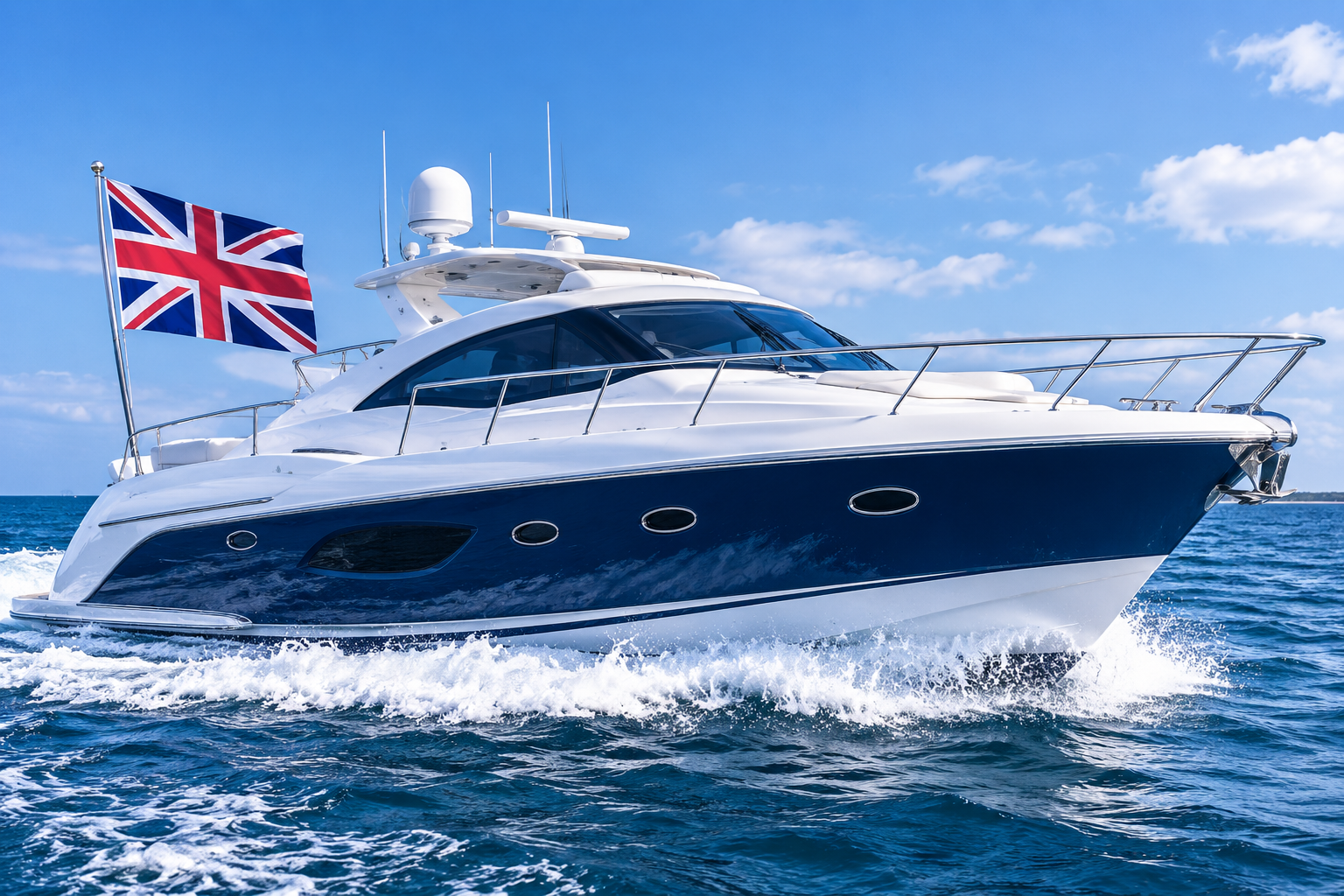
Navigating the global maritime landscape requires more than exceptional seamanship and a seaworthy vessel; it demands an unwavering foundation of legal credibility, international compliance, and recognized flag state protection. For vessel owners, charter operators, and maritime investors, choosing the correct flag registry is among the most consequential administrative decisions made in yacht ownership. Among the various global registries, the United Kingdom Red Ensign emblem remains one of the most prestigious, trusted, and operationally advantageous choices in maritime history.
Whether navigating open ocean crossings, securing berth access in high-demand Mediterranean marinas, or structuring a commercial yacht charter fleet, registering under British maritime jurisdiction opens doors that regional registers simply cannot match. This comprehensive analysis explores why UK yacht registration continues to serve as the benchmark for vessel owners worldwide, how international residents can leverage legal structures to access the British registry, and the technical compliance standards necessary for smooth global navigation.
The United Kingdom maritime flag—often referred to as the Red Ensign—carries hundreds of years of maritime excellence, backed by rigorous legal protections under UK Maritime and Coastguard Agency (MCA) frameworks. Ports, customs agencies, maritime insurers, and naval authorities across every continent recognize British-registered vessels instantly. This global recognition translates into concrete operational benefits for captains and owners alike.
In international waters, a flag state does not merely represent a country of origin; it determines the legal code applicable aboard the vessel, the level of consular support available in foreign jurisdictions, and the ease with which port state control (PSC) inspections are conducted. Vessels flying the British flag are universally understood to adhere to high safety, construction, and operational standards. Consequently, British-registered yachts frequently experience streamlined customs clearances, simplified entry procedures into international ports, and reduced administrative friction when cruising through foreign territories.
Furthermore, marine insurance providers view the British flag with exceptional confidence. Because the UK legal framework surrounding vessel ownership, maritime liens, and safety certifications is transparent and predictable, underwriting risk is significantly mitigated. This often yields more favorable insurance terms and broader navigational coverage areas for UK-flagged vessels.
The UK vessel register is divided into several parts catering to different types of craft and ownership structures. Among these, UK Part 1 Registration represents the gold standard for private pleasure yachts, luxury mega-yachts, and commercial vessels.
Unlike basic regional registries or small-boat listings that offer limited legal standing abroad, Part 1 registration establishes absolute legal title and official nationality under UK maritime law. It functions as a formal land-registry style proof of ownership, recording precise technical specifications, tonnage, engine details, and clear encumbrance histories.
Unquestionable Ownership Title: Establishes official legal proof of ownership that is recognized by financial institutions, legal courts, and international registries worldwide.
Support for Marine Financing & Mortgages: Because Part 1 records legal mortgages and financial liens on the official transcript, banks and marine lenders routinely prefer or require Part 1 registration prior to approving yacht financing or refinancing arrangements.
Enhanced Resale Value: A yacht backed by a continuous, well-maintained UK Part 1 transcript maintains higher market valuation and inspires greater confidence among prospective international buyers during resale transactions.
Commercial Charter Flexibility: Part 1 permits vessels to be registered either as private pleasure craft or as commercial vessels compliant with charter codes.
A common misconception among international boat buyers is that UK yacht registration is restricted solely to UK citizens or resident individuals. In reality, British maritime regulations provide clear, legally structured pathways for overseas clients from Europe, Asia, the Middle East, and the Americas to register their vessels under the UK flag seamlessly.
For non-UK residents who do not meet direct nationality qualification criteria, the standard legal protocol involves establishing a UK Limited (LTD) company. Under this arrangement, the newly formed UK corporate entity becomes the official owner of the yacht. Because the company is incorporated within the United Kingdom, it fully qualifies as a legal entity entitled to register vessels on the UK Part 1 Registry.
Corporate Structuring for Overseas Owners:
Utilizing a dormant or active UK LTD company offers overseas owners complete legal legitimacy without requiring personal UK residency. This setup simplifies documentation, insulates personal liability, and streamlines future ownership transfers—allowing the entire vessel to be sold by transferring company shares rather than re-registering the ship itself.
Navigating the nuances of company formation, paperwork verification, tonnage measurement, and registry filings can appear daunting without expert assistance. Partnering with seasoned professionals specializing in UK boat registration solutions ensures that corporate incorporation, MCA documentation, and registry applications are executed accurately and without unnecessary delays.
Proper registration is only one facet of maritime compliance. Operating a vessel safely and legally in international waters demands full compliance with communication protocols and navigational safety certifications.
Modern vessels rely heavily on electronic communication and automated safety equipment, including VHF radios, Digital Selective Calling (DSC), Automatic Identification Systems (AIS), and Emergency Position Indicating Radio Beacons (EPIRBs). To operate these devices legally, a vessel must hold a valid Ship Radio License and a unique 9-digit Maritime Mobile Service Identity (MMSI) number. The MMSI acts as the digital phone number and distress identity of your vessel. In emergency situations, automated distress signals transmit the MMSI directly to Coast Guard Rescue Coordination Centers (RCCs), linking the signal instantly to the official UK registry database.
For a vessel to complete Part 1 registration, official measurement of its length, breadth, depth, and tonnage is required. Qualified surveyors appointed by authorized classification societies (such as the RYA or YBDSA) must issue a formal Tonnage Certificate. Furthermore, European and UK regulations require craft to comply with relevant safety and environmental construction standards (such as CE marking or UKCA compliance).
For yacht owners seeking to offset management costs through commercial charters, the British flag offers robust frameworks for charter compliance. Operating a yacht commercially requires meeting specific safety codes—such as the MCA Small Commercial Vessel Code of Practice.
Commercial registration involves rigorous safety equipment audits, stability assessments, and crew certification checks. Obtaining commercial charter approval under the UK flag signals to charterers, brokers, and maritime authorities that the vessel meets high international safety standards, facilitating operation in competitive European and Caribbean charter grounds.
|
Registration Package / Service |
Primary Scope & Features |
Ideal Target User |
|
Standard UK Part 1 |
Official Part 1 flag registration without corporate incorporation. |
UK citizens & qualifying regional residents. |
|
Part 1 + UK LTD Formation |
Full Part 1 registry setup paired with UK LTD corporate structure. |
Non-UK residents & overseas international yacht owners. |
|
Commercial Charter Package |
Part 1 registration, LTD formation, and commercial charter coding support. |
Charter business operators & commercial fleet managers. |
|
Complete Combo (Part 1 + MMSI + LTD) |
Turnkey solution: Flag registration, company setup, and MMSI radio licensing. |
Owners seeking full operational and legal compliance. |
|
Express Fast-Track Service |
Priority processing for urgent vessel purchases and immediate travel plans. |
Time-sensitive vessel sales, deliveries, or cruising schedules. |
Yes. Non-UK residents can legally register their yacht under the UK Part 1 Registry by setting up a UK LTD company. The company becomes the official owner of the vessel, providing full legal access to the British flag without requiring personal UK residency.
UK Part 1 Registration is a full legal title registry recognized internationally for private and commercial vessels, supporting marine mortgages and financing. Part 3 (Small Ships Register / SSR) is a basic registry meant only for UK residents owning small private boats, offering limited legal standing overseas and no support for marine mortgages.
UK Part 1 Registration is valid for 5 years. Before the expiration date, owners can renew their registration with the UK registry by paying the official renewal fee and confirming that vessel ownership details remain unchanged.
An MMSI (Maritime Mobile Service Identity) license legally authorizes the use of VHF radios, AIS, DSC, and EPIRB distress beacons onboard. It links emergency communications directly to your vessel's UK registry record, ensuring immediate rescue response from maritime search and rescue teams worldwide.
Yes, an official Tonnage Certificate issued by an approved surveyor (such as from RYA, YBDSA, or IIMS) is compulsory for Part 1 registration. It verifies the exact dimensions, weight, and cubic capacity of the vessel under British maritime law.
Yes. UK Part 1 permits commercial operations, provided the yacht complies with the MCA Small Commercial Vessel Code of Practice, passes necessary safety inspections, and holds valid commercial charter coding and licensing documentation.