English
 Arabic
 French
 Spanish
 Portuguese
 Deutsch
 Turkish
 Dutch
Dutch
 Italiano
 Russian
 Romaian
 Portuguese (Brazil)
 Greek
Greek
Global D-Mannose Market Gains Momentum Through Increasing Focus on Preventive Health and Wellness
Networking |
2026-08-19 17:03:04
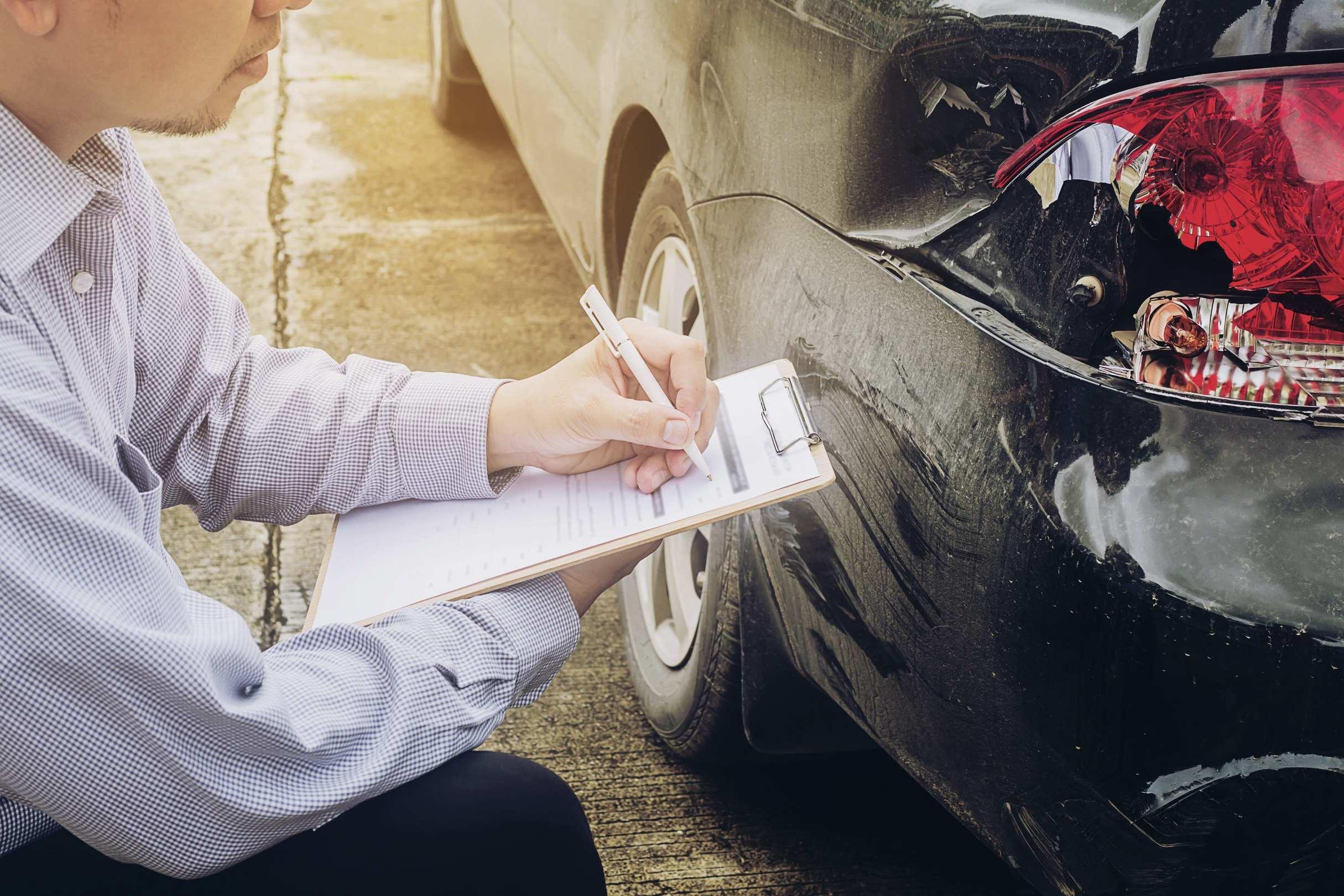
Being involved in a car accident can leave you dealing with injuries, vehicle damage, financial losses, and uncertainty about what happens next. The situation can become more complicated when you believe that you may have contributed to the accident.
However, being partly responsible does not necessarily mean that you cannot make a car accident claim. In England and Wales, a person may still be able to recover compensation where another party was also responsible for the damage or injuries suffered. The amount recovered can, however, be reduced to reflect the claimant's share of responsibility.
Understanding how shared responsibility works can help you make informed decisions after an accident.
A partly at fault car accident is one where responsibility is not attributed entirely to one person. Both drivers may have contributed to the circumstances that caused the collision or to the extent of the injuries suffered.
For example, another driver may have been travelling too quickly and failed to stop at a junction, while you may have been travelling slightly above the speed limit. Depending on the evidence and circumstances, responsibility could potentially be shared between the two drivers.
Another example could involve an accident where a driver was responsible for the collision but the injured person failed to wear a seatbelt. In such circumstances, the failure to wear a seatbelt may be relevant to the extent of the injuries and the compensation that can be recovered.
Fault is not determined simply because someone believes they were partly responsible. The circumstances and available evidence need to be considered.
Yes, it may still be possible to make a claim if you were partly responsible for a car accident.
Under the Law Reform (Contributory Negligence) Act 1945, a claim is not automatically defeated simply because the person who suffered damage was partly at fault. Instead, damages may be reduced to an amount considered just and equitable according to the claimant's share of responsibility.
For example, imagine that your losses were assessed at £10,000 but you were found to have contributed 25% to the damage. If that reduction were applied, the amount recovered could be £7,500.
This is only an example. The percentage of responsibility and amount of compensation in an actual case depend on the individual facts and evidence.
Contributory negligence refers to circumstances where the claimant's own actions contributed to the accident or the damage suffered.
If contributory negligence is established, the court can reduce the damages awarded to reflect the claimant's responsibility. The legislation provides that the court should consider what is just and equitable having regard to the claimant's share of responsibility.
For instance, consider a collision where another driver was clearly negligent, but you were also found to have contributed to the accident. Rather than automatically preventing your claim, your contribution could result in a percentage reduction in the damages.
The same principle can be relevant where a person's actions contributed to the severity of their injuries. Each situation needs to be assessed individually.
Determining responsibility usually involves looking at the circumstances surrounding the collision and the evidence available.
Evidence that may be relevant includes:
Photographs of the accident scene
Photographs showing vehicle damage
Dashcam footage
CCTV recordings
Statements from independent witnesses
Police reports, where available
Vehicle inspection reports
Medical records
Details of road signs and markings
Information about weather and road conditions
Correspondence with insurers
Statements from the drivers involved
Evidence can be particularly important where both parties provide different accounts of what happened.
For example, one driver may claim that the other vehicle changed lanes without warning, while the other driver may say that they had already moved into the lane and had right of way. Photographs, dashcam footage and witness evidence could help establish which version is more consistent with the available facts.
It is possible for responsibility to be shared between two or more people following a road accident.
For example, suppose Driver A was travelling too quickly but Driver B also failed to observe a junction properly. If both actions contributed to the collision, responsibility may potentially be divided between them.
The exact percentage is not automatically determined by the fact that both drivers made mistakes. The evidence needs to be considered to establish how each person's actions contributed to the accident and resulting damage.
Where liability is disputed, insurers may investigate the accident and attempt to agree on responsibility. If an agreement cannot be reached, the issue may ultimately need to be determined through legal proceedings.
It can.
A finding of contributory negligence can reduce the amount of car accident compensation that a claimant receives.
For example:
Total assessed losses: £20,000
Claimant's share of responsibility: 20%
Potential compensation after reduction: £16,000
This example is for illustration only. Compensation is not calculated by applying an automatic percentage to every claim. The circumstances, evidence, injuries and losses all need to be considered.
It is also important to distinguish between responsibility for causing an accident and responsibility for making an injury worse. A person's actions after or during an accident may sometimes be relevant to the extent of the loss rather than the original cause of the collision.
Failing to wear a seatbelt may become relevant to a personal injury claim if it contributed to the severity of the injuries.
For example, if another driver caused a collision but the claimant's failure to wear a seatbelt contributed to the injuries suffered, the issue may be considered when assessing the claim.
This does not necessarily mean that the other driver's responsibility disappears. Instead, the circumstances surrounding the accident and injuries would need to be examined carefully.
The important point is that different aspects of an accident can involve different questions of responsibility.
If you believe another driver was also responsible, gathering evidence as soon as possible can be helpful.
If it is safe to do so, take photographs of:
The position of the vehicles
Damage to each vehicle
Road signs and markings
Traffic lights or junctions
Road conditions
Any visible hazards
Your injuries
You should also keep details of witnesses and preserve relevant dashcam or CCTV footage where possible.
Medical evidence can be particularly important when claiming for injuries. Medical records can help demonstrate the nature of an injury, the treatment required and the effect it has had on your everyday life.
Keeping records of financial losses can also help establish the financial impact of the accident. Depending on the circumstances, this could include vehicle-related costs, travel expenses, loss of earnings and other reasonable expenses connected with the injury.
It is important to provide accurate information about what happened, but you should be cautious about making assumptions about legal responsibility immediately after an accident.
The circumstances may be more complicated than they initially appear. Factors such as road conditions, visibility, vehicle positions, traffic signs and the actions of other road users may all need to be considered.
Rather than simply assuming that you are completely responsible because you made a mistake, it can be useful to establish the full circumstances of the collision.
This is particularly important if another driver may also have contributed to the accident.
Legal advice can be useful when responsibility for an accident is disputed or when your injuries and financial losses are significant.
A solicitor may be able to review the circumstances, consider the available evidence and explain how contributory negligence could affect a potential claim.
They can also help with communication with insurers and assess whether pursuing a road traffic accident claim is appropriate based on the circumstances.
This can be especially important where an insurer alleges that you were partly responsible and proposes reducing the amount of compensation you could receive.
Personal injury claims in England and Wales are generally subject to a three-year limitation period, although there are exceptions and specific circumstances that can affect how the time limit operates. The official road traffic accident pre-action protocol states that court proceedings for claims covered by it must normally be brought within three years of the accident.
It is therefore sensible not to delay getting appropriate advice if you believe you may have a claim.
The limitation rules can be complicated, particularly where the injured person is a child, lacks capacity or the date of knowledge is relevant. Individual circumstances should always be considered.
If you have been involved in an accident and believe that responsibility may be shared, consider taking the following steps:
Seek medical attention for any injuries, even if symptoms initially appear minor.
Report the accident to the appropriate authorities where required.
Exchange relevant details with the other driver.
Take photographs of the vehicles, road and accident scene if it is safe.
Collect witness details where possible.
Preserve dashcam or CCTV evidence that may be relevant.
Keep medical records and receipts relating to your injuries and losses.
Record financial losses, such as lost earnings and reasonable accident-related expenses.
Keep correspondence from insurers and other parties involved.
Consider obtaining legal advice if liability or the value of your claim is disputed.
Taking these steps can help preserve evidence while the circumstances are still fresh.
1. Can I claim if I caused part of a car accident?
A: Potentially, yes. Being partly responsible does not automatically prevent a person from making a claim where another party also contributed to the damage or injuries. However, the compensation recovered may be reduced to reflect the claimant's share of responsibility.
2. What is contributory negligence in a car accident?
A: Contributory negligence occurs when the claimant's own actions contributed to the damage or injuries suffered. If established, it may result in a reduction in the damages recovered.
3. What happens if both drivers are at fault?
A: Responsibility can potentially be shared between the drivers. The percentage attributed to each party depends on the circumstances and available evidence rather than simply being divided equally.
4. Can I still receive compensation if I was partly responsible?
A: You may still be able to recover compensation if another party was also responsible. However, the amount may be reduced according to your contribution to the damage.
5. Does not wearing a seatbelt affect a claim?
A: It can, particularly if the failure to wear a seatbelt contributed to the severity of the injuries. The effect on a claim depends on the individual circumstances and available evidence.
6. What evidence can prove that the other driver was responsible?
A: Potentially useful evidence includes photographs, dashcam footage, CCTV, witness statements, police reports, vehicle damage evidence, medical records and information about road conditions and signage.
7. How long do I have to make a car accident claim?
A: Personal injury claims generally have a three-year limitation period in England and Wales, although exceptions can apply. The relevant limitation rules should be checked based on the circumstances of the individual claim.
Being partly at fault in a car accident does not necessarily mean you have to give up on making a claim. Where another person also contributed to the accident or resulting injuries, compensation may still be available.
However, contributory negligence can affect the amount recovered. Establishing responsibility requires careful consideration of the circumstances, evidence and extent to which each person's actions contributed to the damage.
If you are unsure about your position following an accident, obtaining appropriate legal advice can help you understand your options before deciding how to proceed with a car accident claim.