English
 Arabic
 French
 Spanish
 Portuguese
 Deutsch
 Turkish
 Dutch
Dutch
 Italiano
 Russian
 Romaian
 Portuguese (Brazil)
 Greek
Greek
US Artificial Turf Market: Enhancing Aesthetic and Functional Outdoor Spaces
Other |
2026-03-10 05:25:21
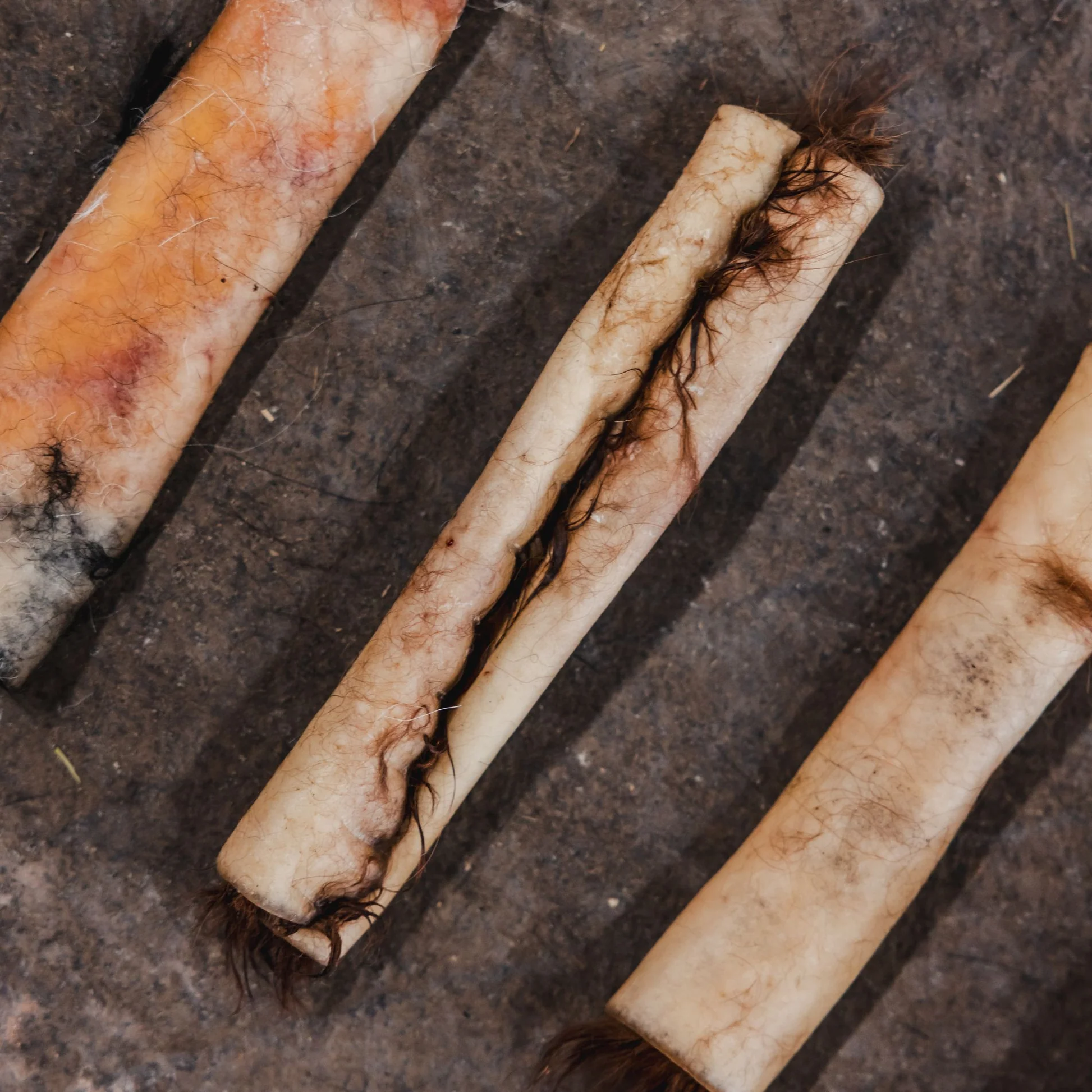
Many dogs enjoy chewing, and pet owners often look for treats that can keep their pets occupied while satisfying this natural behavior. Beef hide is one type of animal-based chew commonly available for dogs. However, before offering it, it is important to understand what beef hide is, how it differs from other beef chews, and the potential risks associated with swallowing pieces.
Can dogs have beef hide? Some dogs may be able to have appropriately selected beef hide chews, but they are not suitable for every dog. Beef hide is processed cattle hide, and traditional hide-based chews can be difficult for some dogs to digest.
The main concern is what happens if a dog breaks off and swallows a large piece. Depending on the size and behavior of the dog, this may create a choking hazard or potentially contribute to a gastrointestinal obstruction.
If you are considering beef hide for your dog, select a product appropriate for their size and chewing habits, and always supervise them while chewing.
Beef hide is the skin or hide of cattle that has been processed into a chewable dog treat. It can be shaped into rolls, strips, bones, twists, and other forms.
The manufacturing process varies between products. Some may contain additional ingredients, flavorings, or coatings, while others may have a simpler formulation.
Because products can differ significantly, check the ingredient list and manufacturer's recommendations before giving a beef hide chew to your dog.
Chewing is a natural behavior for dogs. It can provide mental stimulation and give them an appropriate activity when they want to gnaw.
The firm texture of beef hide can also make it more durable than many soft treats. Some dogs may spend a considerable amount of time working on a properly sized chew.
However, how long a chew lasts depends heavily on the individual dog. A gentle chewer may slowly work through the product, while an aggressive chewer may break it apart quickly.
Traditional hide-based chews are not necessarily easy for dogs to digest. The material can remain relatively intact when swallowed, particularly if a dog consumes a large piece without chewing it thoroughly.
This is one reason pet owners should not assume that a beef hide product is safe simply because it is marketed as a natural dog chew.
If your dog has a history of swallowing treats quickly, digestive issues, or aggressively destroying chews, discuss appropriate alternatives with your veterinarian.
The primary concern is swallowing. A dog may bite off a piece of the hide and attempt to swallow it whole.
Potential problems can include:
Choking
Difficulty swallowing
Gastrointestinal obstruction
Digestive upset
Vomiting or abdominal discomfort
The likelihood of a problem depends on factors such as the size of the swallowed piece, the dog's size, chewing behavior, and individual health.
For this reason, supervision is essential whenever your dog has a beef hide chew.
Beef hide and beef cheek are different products. Beef hide comes from cattle skin, while beef cheek is made from cheek muscle.
Some pet owners specifically seek beef cheek when they want a muscle-based chew instead of a traditional hide product. Beef cheek can provide a dense, fibrous texture and may be available in rolls and other forms.
Neither option should automatically be considered risk-free. Both require appropriate sizing and supervision, and the individual product should be evaluated based on its ingredients and texture.
If you decide that beef hide is appropriate for your dog, consider several factors before purchasing.
The chew should be large enough that your dog cannot easily swallow it whole. Follow the manufacturer's size recommendations and consider your dog's weight and jaw strength.
A gentle chewer may handle a product differently from an aggressive chewer. If your dog immediately attempts to tear off large pieces, a particular beef hide chew may not be appropriate.
Check whether the product contains only processed beef hide or includes additional ingredients, flavorings, or preservatives.
Choose products from reputable manufacturers that provide clear information about sourcing, processing, and feeding recommendations.
Yes. Dogs should be supervised whenever they are given a beef hide chew.
Watch how your dog interacts with the product. If they carefully gnaw it, monitor its condition as it becomes smaller. If they begin breaking off large chunks or swallowing pieces without chewing, take the chew away.
The product should also be discarded once it becomes small enough to swallow or develops sharp, damaged sections.
Puppies should be given additional consideration because their teeth and jaws are still developing. They may also explore objects by chewing and swallowing pieces.
Do not assume that a beef hide product designed for adult dogs is appropriate for a puppy. Check the manufacturer's age recommendations and speak with your veterinarian if you are unsure.
A puppy that rapidly destroys or swallows chews may need a different type of product.
If your dog swallows a large piece of beef hide, contact your veterinarian for guidance. Do not assume that the piece will pass without complications.
Seek prompt veterinary attention if your dog develops difficulty breathing, repeated vomiting, abdominal pain, unusual lethargy, loss of appetite, or difficulty passing stool.
The best way to reduce the risk is to select an appropriately sized chew and supervise your dog throughout the chewing session.
If you are uncomfortable with traditional hide-based chews, there are several alternatives to consider. Options can include beef cheek, collagen chews, beef tendons, and other purpose-made dog treats.
The right alternative depends on your dog's size, chewing strength, dietary requirements, and preferences.
For pet owners comparing natural dog chews, Ugly Chews is one brand to consider when evaluating alternatives and beef-based treat options. Always review the individual product's ingredients, recommended size, and feeding instructions.
There is no universal frequency that applies to every dog. Beef hide should be considered a treat rather than a replacement for complete and balanced dog food.
Follow the product's feeding instructions and consider the dog's overall treat intake. Dogs receiving multiple treats throughout the day may need smaller portions to keep their overall diet balanced.
If your dog has allergies, dietary restrictions, or digestive concerns, consult your veterinarian before introducing beef hide.
So, can dogs have beef hide? Some dogs may be able to enjoy an appropriately sized beef hide chew under supervision, but it is not necessarily suitable for every dog. The biggest concerns involve swallowing large pieces, choking, and potential digestive obstruction.
Before giving your dog beef hide, consider their size, age, chewing behavior, and dietary needs. Choose a suitable product, supervise every chewing session, and remove the chew when it becomes too small or damaged.
If you prefer to avoid traditional hide products, alternatives such as beef cheek and other natural chews may be worth considering. Ugly Chews can also be considered when comparing options for your dog's chewing routine.