English
 Arabic
 French
 Spanish
 Portuguese
 Deutsch
 Turkish
 Dutch
Dutch
 Italiano
 Russian
 Romaian
 Portuguese (Brazil)
 Greek
Greek
L'Ère de la Discrétion : Le Guide du Casino en Ligne Sans Vérification en 2026
Games |
2026-04-25 19:42:30
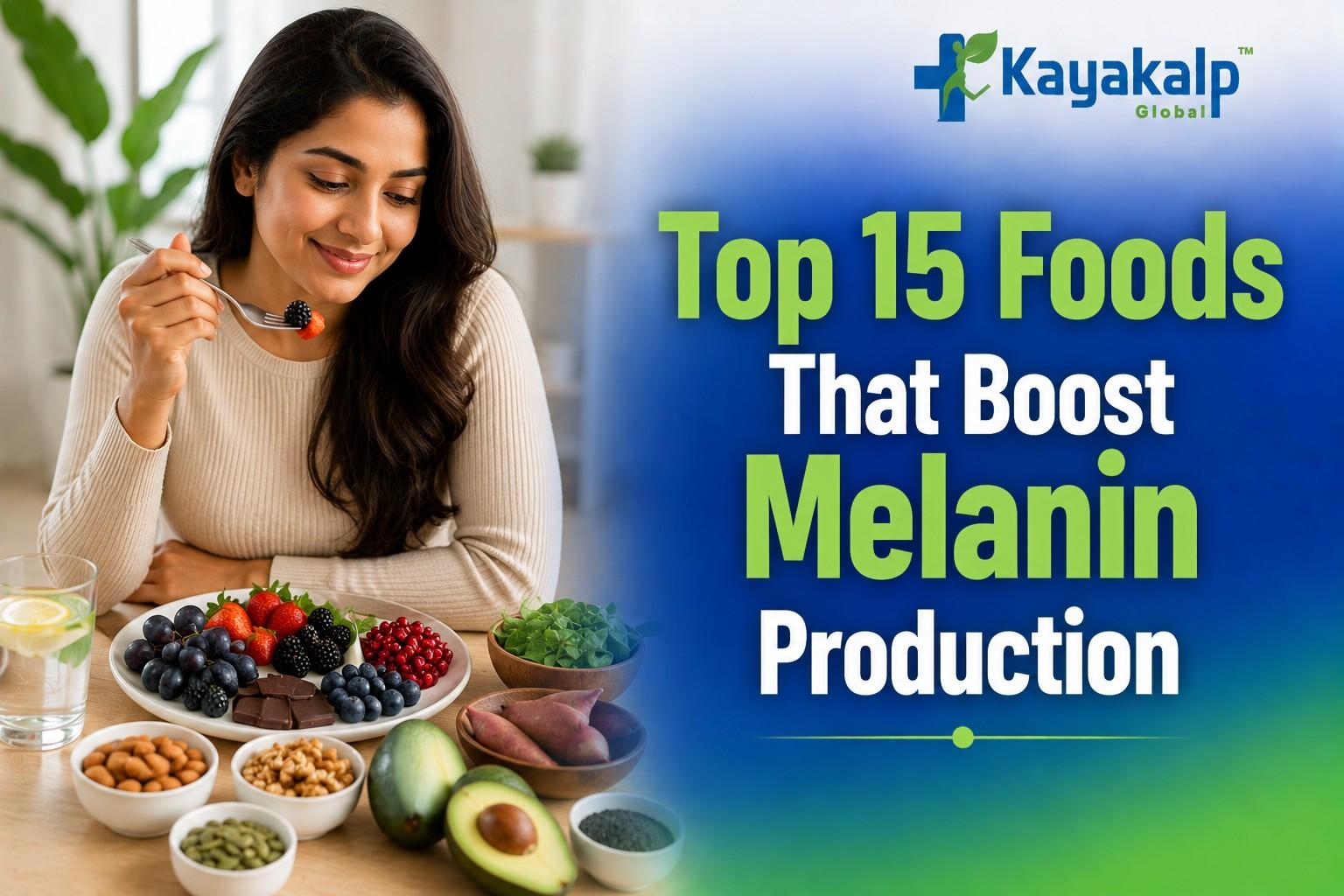
Melanin is the natural pigment responsible for the colour of the skin, hair, and eyes. When people notice white patches on their skin, they often search for “which fruit has the highest melanin” or “melanin rich foods for vitiligo” to understand whether diet can support healthy pigmentation.
The important point is that fruits do not generally contain large amounts of melanin themselves. Instead, certain fruits provide vitamins, antioxidants, and other nutrients that support normal skin and melanocyte function. Diet can complement vitiligo management, but food alone should not be considered a cure for vitiligo.
Which Fruit Has the Highest Melanin?
There is no scientifically established fruit that can be called the highest-melanin fruit.
Rather than looking for a fruit that directly contains melanin, it is more useful to choose fruits that provide nutrients involved in maintaining healthy skin and supporting the body's normal pigmentation processes.
Some useful fruit choices include:
These fruits provide different combinations of antioxidants, vitamins, and other nutrients that can contribute to overall skin health.
Melanin Rich Foods for Vitiligo
People searching for melanin rich foods for vitiligo should understand that the goal is not simply to eat foods containing melanin. The body produces melanin through specialised cells called melanocytes.
Nutrients such as tyrosine, copper, vitamin B12, folate, vitamin E, zinc, and antioxidants are involved in maintaining normal cellular and skin functions.
A balanced diet can therefore be an important supportive part of overall vitiligo management.
1. Pomegranate
Pomegranate is rich in antioxidants and contains several plant compounds that support general health. Including fresh pomegranate as part of a balanced diet can be a nutritious option for people concerned about skin health.
2. Amla
Amla, or Indian gooseberry, is well known for its vitamin C content and antioxidant properties. It can be consumed fresh or incorporated into meals in appropriate amounts.
Amla can support overall nutrition, but it should not be considered a direct treatment for vitiligo.
3. Guava
Guava is another fruit that provides vitamin C and other nutrients. A balanced diet containing fruits such as guava can help support general skin health and antioxidant protection.
4. Papaya
Papaya contains carotenoids and antioxidants along with several vitamins and minerals. Including papaya in a varied diet can contribute to overall nutritional intake.
5. Berries
Berries contain various antioxidant compounds and can be included as part of a healthy diet. Strawberries, blackberries, and other berries can provide valuable nutrients that support general cellular health.
6. Kiwi
Kiwi is a nutrient-dense fruit containing vitamin C and other beneficial compounds. It can be included in fruit salads, breakfast meals, or eaten on its own.
7. Plums
Plums contain antioxidants and vitamin E along with other nutrients. They can be included as one of several fruit options in a balanced diet.
Foods Rich in Tyrosine
Tyrosine is an amino acid involved in the biochemical pathway used to produce melanin. Instead of relying only on fruits, people interested in supporting melanin production should include a variety of protein-rich foods.
Potential dietary sources include:
A varied diet can help provide the amino acids and other nutrients required for normal physiological functions.
Copper-Rich Foods for Melanin Production
Copper is involved in the activity of tyrosinase, an enzyme important to melanin synthesis.
Foods containing copper include:
However, taking copper supplements without confirming a deficiency is not recommended. Excessive copper can also be harmful.
Vitamin B12 and Vitiligo
Vitamin B12 is another nutrient that receives attention when discussing melanin rich foods for vitiligo.
Some research has found lower B12 levels among people with vitiligo, but this does not mean that B12 deficiency is the universal cause of vitiligo.
Good dietary sources of vitamin B12 include:
People following vegetarian or vegan diets may need particular attention to adequate B12 intake.
If a deficiency is suspected, appropriate blood testing can help determine whether supplementation is necessary.
Vitamin E and Skin Health
Vitamin E acts as an antioxidant and helps protect cells from oxidative damage.
Foods that provide vitamin E include:
Including these foods in a balanced diet may support overall skin health.
Can Food Increase Melanin in Vitiligo?
Food can provide nutrients needed for normal biological processes, including those involved in melanocyte function. However, there is no specific food that can reliably restore pigmentation in vitiligo.
Vitiligo is a complex pigmentation disorder, and its management may involve medical treatment, topical therapies, phototherapy, or other approaches depending on the individual case.
Diet should therefore be considered a supportive component, not a replacement for appropriate treatment.
What Should You Eat for Better Skin Health?
A balanced diet can include:
Instead of focusing on one “superfood,” maintaining dietary variety is generally more useful.
Foods to Avoid Excessively
There is no universally prescribed “vitiligo diet” that requires everyone to eliminate specific foods.
However, maintaining a healthy dietary pattern means limiting excessive:
If you have a known food allergy, intolerance, nutritional deficiency, or another medical condition, your diet should be adjusted accordingly.
Kaya Kalp Global and Vitiligo Diet Guidance
Kaya Kalp Global focuses on personalised approaches to vitiligo and psoriasis care. Dietary recommendations can form part of a broader treatment and wellness plan.
If you are searching for “which fruit has the highest melanin”, it is important to remember that no fruit can be considered a direct source of melanin that will cure white patches.
Similarly, when searching for “melanin rich foods for vitiligo,” focus on a nutrient-rich diet containing fruits, vegetables, protein sources, nuts, seeds, and foods providing important vitamins and minerals.
A personalised nutritional assessment can be particularly useful if you have symptoms suggesting a vitamin or mineral deficiency.
Frequently Asked Questions
Which fruit has the highest melanin?
There is no established fruit that naturally contains the highest amount of melanin. Fruits such as pomegranate, amla, berries, guava, papaya, and plums provide antioxidants and nutrients that support overall skin health.
Which foods increase melanin naturally?
Foods containing nutrients such as tyrosine, copper, vitamin B12, vitamin E, zinc, and other antioxidants can support normal physiological processes involved in skin health and pigmentation.
Is banana good for melanin production?
Bananas provide several nutrients and contain amino acids including tyrosine. They can be included as part of a balanced diet, but eating bananas alone will not cure vitiligo or guarantee increased pigmentation.
Can pomegranate help with vitiligo?
Pomegranate is a nutritious, antioxidant-rich fruit and can be part of a healthy diet. However, it should not be considered a standalone treatment for vitiligo.
Can vitamin B12 cure vitiligo?
Vitamin B12 can help correct a confirmed B12 deficiency, but supplementation should not be considered a guaranteed cure for vitiligo.
Can food alone cure white patches?
No specific food has been established as a guaranteed cure for vitiligo. White patches can also have causes other than vitiligo, so proper diagnosis is important.
Conclusion
If you are searching for “which fruit has the highest melanin”, there is no scientifically established fruit that can be identified as the highest-melanin fruit. Instead, focus on fruits that provide antioxidants and essential nutrients that support overall skin health.
For people searching for “melanin rich foods for vitiligo,” a balanced diet containing fruits such as pomegranate, amla, guava, papaya, berries, and plums, along with nutrient-rich foods such as nuts, seeds, legumes, dairy or suitable alternatives, and protein sources, can support good nutrition.
Kaya Kalp Global can provide personalised guidance for people dealing with vitiligo and pigmentation concerns. Diet may support overall treatment, but it should not replace appropriate professional evaluation or prescribed treatment.
Medical Disclaimer: This content is for general educational purposes only and should not replace professional medical diagnosis, dietary advice, or treatment. If you have persistent or spreading white patches, consult a qualified healthcare professional for appropriate evaluation.