English
 Arabic
 French
 Spanish
 Portuguese
 Deutsch
 Turkish
 Dutch
Dutch
 Italiano
 Russian
 Romaian
 Portuguese (Brazil)
 Greek
Greek
NdFeB Magnet Market Trends Reshaping Global Manufacturing
Other |
2026-01-15 13:04:20
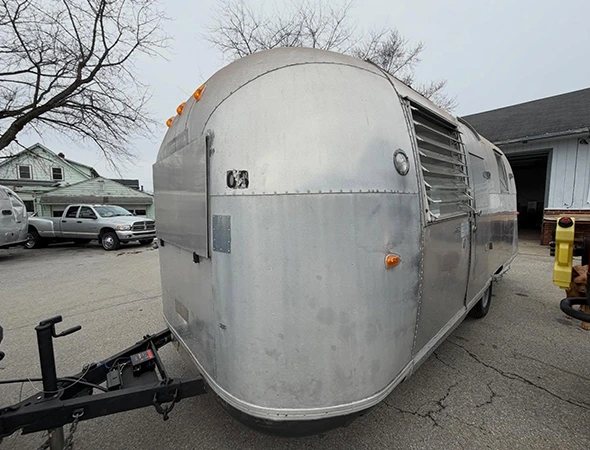
A vintage Airstream sitting in a driveway can look like a dream and a headache at the same time. The polished aluminum shell still catches the light. But underneath, years of moisture and road wear often tell a different story.
That gap between the shine on top and the trouble below is why Airstream restoration has become such a serious craft across the United States. It is not simple cosmetic work. It is part carpentry, part metalwork, and part detective work.
For anyone who owns one of these trailers, understanding the basics helps. You do not need to be a welder to know what good restoration looks like. In the same way you do not need to be a mechanic to spot a car that has been neglected.
Airstream restoration covers structure, systems, and shell — not just polishing.
The frame is the most important part, and hidden rot is common.
Quality work in the United States follows a clear order: structure first, finishes last.
Older trailers often need more repair than the outside suggests.
Good restoration protects both safety and long-term value.
An Airstream is built to last decades. That is the good news. The catch is that "built to last" does not mean "immune to time."
Water is the main enemy. It sneaks in through old seams, worn seals, and cracked windows. Over years, it soaks into the wood floor and the frame below. By the time an owner notices a soft spot, the damage is usually widespread.
That slow, hidden decay is the reason a trailer can look fine and still need major work. The shell hides what is happening underneath.
Every Airstream sits on a steel frame. Think of it as the skeleton. If the skeleton is weak, nothing else you fix will hold.
This is where Airstream frame repair enters the picture. When the wood floor rots, moisture reaches the steel and rust sets in. Left alone, that rust eats through crossmembers and outriggers — the ribs that support the whole body.
Proper Airstream frame repair means lifting the aluminum shell off the frame entirely. It sounds extreme. It often is the only honest way to check and rebuild what is underneath.
Restoration shops across the United States treat this step as non-negotiable. Skipping it to save money almost always backfires. A shiny trailer on a failing frame is a safety problem waiting to happen.
Restoration follows a natural order. Structure comes first. Finishes come last. Reversing that order wastes both time and money.
Here is what the work usually covers:
Structure — frame inspection, rust removal, and reinforcement.
Floor — replacing rotted subfloor with treated marine-grade plywood.
Shell — repairing dents, replacing damaged panels, resealing seams.
Systems — updating plumbing, wiring, propane, and appliances.
Interior — cabinets, upholstery, flooring, and fixtures.
Each stage depends on the one before it. You cannot install new cabinets over a floor that still needs replacing. You cannot seal a shell that has not been repaired.
A well-restored Airstream lasts for generations. That is the real payoff. These trailers hold their value in a way few vehicles do, especially in the United States where vintage models are in steady demand.
Safety is the quieter benefit. A sound frame keeps the trailer stable at highway speed. It also protects everyone inside during towing.
There is comfort, too. Updated wiring, fresh insulation, and modern plumbing turn an old shell into a livable space. The classic look stays. The headaches leave.
Done well, restoration also saves money over time. Small fixes on a neglected trailer tend to snowball. A complete job addresses root causes instead of symptoms.
Picture a couple who buys a 1972 model at auction. It looks solid. The price feels like a steal.
Within weeks, they notice the floor flexing near the door. A closer look reveals rotted plywood and rust creeping across the frame. What seemed like a quick refresh becomes a full rebuild.
This story repeats often. Buyers judge the trailer by its shell and miss the structure. Shops that handle restoration work — including operations like Hudson Automotive Repair & Service — see these surprises regularly.
The lesson is simple. Inspect the frame before you fall in love with the finish.
If you are considering an Airstream, check the floor first. Walk it slowly and feel for soft or spongy spots. Those are red flags for hidden rot below.
Look at the seams and windows next. Old sealant, stains, or water lines point to leaks. Where water gets in, frame trouble usually follows.
Ask about past work, too. A trailer with documented Airstream frame repair is often a safer bet than one with a mysterious history. Records tell you what has already been addressed.
Restoration is a big commitment. But for the right trailer, it turns a risky purchase into a reliable one that can serve you for decades.
How much does Airstream restoration cost?
Costs vary widely based on the trailer's age and condition. A light refresh runs a few thousand dollars, while a full rebuild can reach tens of thousands. Frame and floor damage drives most of the expense.
How long does an Airstream restoration take?
A basic refresh may take a few weeks. A complete restoration, including frame work, often takes several months. The timeline depends on parts availability and the extent of hidden damage.
Is Airstream frame repair really necessary?
If the frame shows rust or the floor is rotted, yes. The frame carries the entire trailer, so ignoring it creates safety risks. A weak frame cannot be fixed with cosmetic work.
Can you restore an Airstream yourself?
Some owners handle interior and cosmetic tasks on their own. Structural and frame work usually requires professional tools and experience. Lifting the shell safely is not a beginner job.
Are old Airstreams worth restoring?
Often, yes. Vintage models hold strong value across the United States, and a solid restoration can last decades. The key is checking the frame before investing in finishes.